
Texas Bill Would Make Officiating a Same-Sex Wedding a Third-Degree Felony
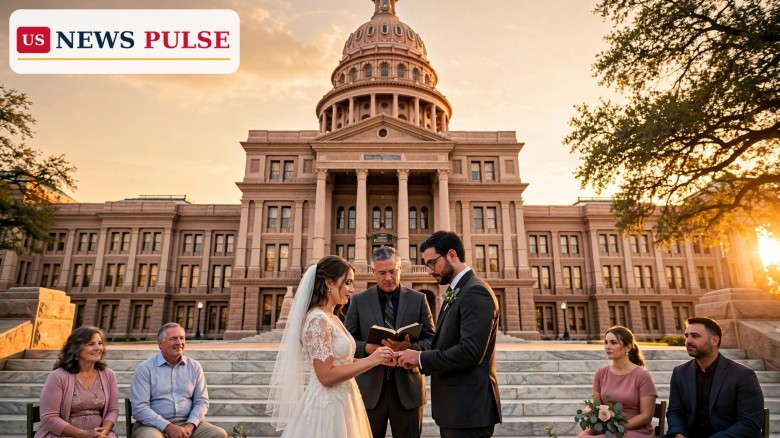
A Texas state senator has filed a bill that would make it a third-degree felony to officiate a same-sex wedding, a proposal constitutional scholars say is plainly unconstitutional under the Supreme Court's 2015 marriage-equality ruling — and one its own sponsor says was never meant to target gay couples. Senate Bill 178, pre-filed on November 9 by Republican state Senator Brent Hagenbuch ahead of the 90th Texas Legislature, would rewrite part of the Texas Family Code so that knowingly conducting a ceremony for any marriage Texas law declares "void" carries two to ten years in prison and a fine of up to $10,000.
Key Points
- Senate Bill 178 would extend a third-degree felony — now limited to ceremonies for minors and bigamous marriages — to any marriage Texas law declares void, including same-sex marriages under Section 6.204.
- Sponsor Brent Hagenbuch told Chron the bill was not aimed at same-sex weddings and said the language would be removed in committee.
- University of Houston professor Emily Berman called the bill "patently unconstitutional", saying it would breach Obergefell v. Hodges.
- Pre-filed November 9, 2026; the 90th Texas Legislature convenes January 12, 2027.
- It follows a June 2026 ruling that a Waco justice of the peace who refused same-sex weddings could not be disciplined.
What Happened
Hagenbuch filed Senate Bill 178 on November 9 as a pre-filed measure for the session beginning January 12, 2027. Under current Texas law, knowingly conducting a ceremony for a marriage the state declares void is already a third-degree felony in two narrow cases: ceremonies involving a barred minor, and bigamous marriages. The bill would widen that penalty to cover any marriage Texas law calls void.
Because Section 6.204 still declares same-sex marriages void — a provision left on the books after the Supreme Court's 2015 ruling — the bill as written would sweep in clergy, rabbis, judges and any other officiant who performs a same-sex wedding. It works through the existing "void marriage" language. Hagenbuch told Chron the application was unintended and would be stripped in committee, a promise critics note does not change the bill as filed.
Background and Context
Texas has kept its ban on same-sex marriage on the books for more than two decades, even though it has been unenforceable since Obergefell v. Hodges. In 2005, Texas voters approved a constitutional amendment defining marriage as between a man and a woman, and Section 6.204 of the Family Code declares same-sex marriages void. When the Supreme Court ruled 5-4 in June 2015 that same-sex couples have a constitutional right to marry, those provisions lost their legal force — but the legislature never repealed them, leaving the "void" language for a bill like SB 178 to hook onto.
The question of who must perform a same-sex wedding has already been tested in Texas this year. In June 2026, a Texas judge ruled that Waco justice of the peace Dianne Hensley would not be disciplined for refusing to perform same-sex weddings, awarding her $10,000 plus $630,000 in attorney's fees. That case protected an officiant who refused; SB 178 would threaten prison for one who agrees. Nationally, marriage equality has faced renewed pressure since the Supreme Court's 2022 Dobbs decision, after which Justice Clarence Thomas called for reconsidering Obergefell.
What the Texas Same-Sex Wedding Bill Would Change
SB 178 amends the Family Code so the felony for conducting a ceremony for a void marriage no longer applies only to ceremonies for minors and bigamous marriages. Instead, it would cover every marriage Texas law declares void — still including same-sex marriages, because Section 6.204 was never repealed. In practice, a minister who marries two women, a rabbi who marries two men, or a judge who performs a same-sex ceremony could face the same charge as someone who knowingly conducts a bigamous wedding. The key word is "knowingly": prosecutors must show the officiant knew the marriage was void under Texas law. Critics say the threat alone would chill clergy and judges, who would have to weigh prison time before performing a ceremony the Supreme Court has said is constitutionally protected.
Reactions and Quotes
Emily Berman, a constitutional law professor at the University of Houston, was blunt about the bill's prospects in court. She called it "patently unconstitutional", noting it would create different rules for same-sex couples in breach of Obergefell v. Hodges. Her assessment reflects the bill's central legal problem: a state cannot criminalise conduct the Constitution protects, and performing a lawful wedding ceremony is squarely within the rights Obergefell recognised.
Hagenbuch has distanced himself from the bill's most explosive consequence. He told Chron it was not meant to target same-sex weddings and said any language covering them would be removed in committee. That leaves open why the bill was drafted to reach void marriages generally, rather than naming only the categories it was meant to cover, and whether the promised fix will be made once the session begins.
Why It Matters
SB 178 matters because it would be the first Texas law to put prison time behind performing a same-sex wedding, turning a constitutional right into a criminal risk for the officiant. Even if it never becomes law, its filing shows how the state's dormant same-sex marriage ban can still be used through unrelated provisions of the Family Code. It also matters because of the contrast with the Hensley ruling: Texas courts protected an officiant who refuses a same-sex wedding, while SB 178 would punish one who performs it — a one-way ratchet legal scholars say the Constitution does not permit.
What Happens Next
The 90th Texas Legislature convenes on January 12, 2027, and SB 178 will be assigned to a committee, where Hagenbuch has said the same-sex language will be removed. Whether that amendment happens — and whether the bill advances at all — will be the first real test. If the text reaches the floor unchanged, a constitutional challenge would be near-certain, and courts would be expected to block it under Obergefell. If amended, it may fade among the pre-filed measures that never receive a hearing.
Frequently Asked Questions
Would SB 178 make same-sex marriage itself illegal in Texas?
No. It targets the officiant, not the couple, and same-sex marriage remains legal nationwide under Obergefell. The person performing the ceremony would face the felony charge.
What is a third-degree felony in Texas?
Two to ten years in prison and a fine of up to $10,000. That penalty already applies to knowingly conducting a ceremony for a barred minor or a bigamous marriage.
Is the bill law yet?
No. Pre-filed November 9, 2026, the legislature convenes January 12, 2027. It must pass both chambers and be signed by the governor.
What did Senator Hagenbuch say?
He told Chron it was not meant to target same-sex weddings and said the language would be removed in committee.
Why do experts say it is unconstitutional?
Obergefell v. Hodges (2015) guarantees same-sex couples the right to marry. Professor Emily Berman called the bill "patently unconstitutional" for creating different rules for same-sex couples.
Related coverage: Illinois opts out of federal scholarship tax credit; Trump demands probe into GDP figures; Trump's Thanksgiving message targets Somali community.
© 2026 US News Pulse. All rights reserved.
 Print
 Save