
UK Releases New Mandelson Files Revealing 'Light Touch' Vetting and Lobbying Conflicts
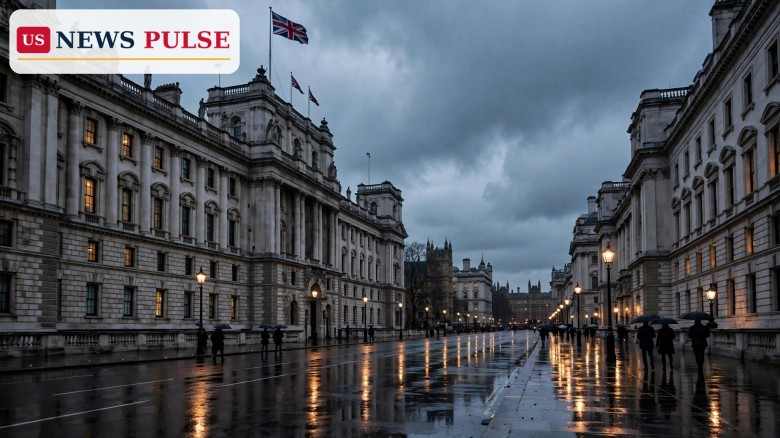
The British government has released 32 more documents about Lord Peter Mandelson's appointment as ambassador to the United States, reopening the scandal and forcing ministers to promise changes to how Britain vets diplomats. The files, published on Thursday, November 26, show officials promised a "light touch" approach to policing Mandelson's conflicts of interest, that he kept shares in the lobbying firm he co-founded, although expected to sell them, and that he softened a speech on China after edits from one of the firm's directors. Security Minister Dan Jarvis told MPs the government will tighten the rules, but who approved it remains unanswered.
Key Points
- The Cabinet Office released 32 more documents on November 26 about Mandelson's US ambassador appointment.
- Officials promised a "light touch" on conflicts; Mandelson kept his Global Counsel shares, the firm he co-founded in 2010.
- As ambassador, he softened a China speech after a director's edits and sought an "under the radar" meeting with a Trump adviser.
- Vetting officials recommended denying him clearance on January 28, 2025; it was granted the next day.
- Future appointments will need clearance first; the police inquiry continues and Mandelson denies wrongdoing.
What Happened
Security Minister Dan Jarvis updated the House of Commons on Thursday, November 26, as the Cabinet Office published 32 more documents on Mandelson's appointment and his time as ambassador in Washington. The release used a parliamentary procedure compelling the government to hand over papers, and follows earlier disclosures since his sacking in September 2025.
Jarvis told MPs the government will strengthen its policy on conflicts of interest, and future appointments will not be made or announced until security clearance is granted. He said the Cabinet Office would shortly publish a strengthened outside-interests policy, not yet available.
Two independent reviews have yet to report: a review of the vetting system, led by Sir Adrian Fulford, is nearing completion, Jarvis said, and a separate review led by Sir Anthony Finkelstein, on unofficial communication channels, is due in January 2027.
Background: How Mandelson Got the Job
Mandelson was announced as British ambassador to the United States in December 2024, took up the post in February 2025 and was dismissed in September 2025, after further information emerged about his relationship with convicted sex offender Jeffrey Epstein. The sacking ended a tenure of barely seven months.
In its July 9, 2026 report, the Commons Foreign Affairs Committee concluded Downing Street had driven the appointment without a sufficiently robust assessment of Mandelson's suitability, and criticised the lack of a formal procedure for political diplomatic appointments.
The most striking revelation came on April 20, when then Prime Minister Sir Keir Starmer told Parliament that UK Security Vetting had recommended denying Mandelson clearance on January 28, 2025, yet officials granted it the next day. Starmer said he had not known, called the appointment a mistake, and suspended the Foreign Office's final vetting decisions.
The government's formal response, published on October 16, accepted several recommendations, and revised Cabinet Office guidance from June 1 sets a clearer framework for direct appointments.
What the Mandelson Files Reveal
The documents show officials identified potential conflicts from Mandelson's continuing shareholding in Global Counsel, the advisory firm he co-founded in 2010, and promised a "light touch" approach to policing them. Whether the safeguards worked remains disputed, and he failed to sell his shares despite being expected to do so.
The papers also show that as ambassador in Washington, Mandelson watered down a speech on China after edits from an unnamed Global Counsel director, raising questions about whether a lobbying firm shaped the words of Britain's most important envoy. He also sought an "under the radar" meeting with a Trump adviser and a member of Global Counsel.
Reactions and Quotes
The Prime Minister said "there's a lot further to go" in changing the political culture behind the scandal, acknowledging the reforms so far have not closed the affair.
Committee chair Dame Emily Thornberry said a proposed working group with Foreign Office officials had yet to become fully operational, and called for Fulford's findings to be published. The committee wants political candidates for head-of-mission posts to appear before MPs first, with power to block an unsuitable candidate, a veto the government has rejected.
In the Commons, Conservative shadow minister Charlie Dewhirst criticised the slow release of documents, and Liberal Democrat MP Lee Dillon questioned the handling of financial interests and unofficial communications. The government rejected the veto, arguing ministers must ultimately be accountable for their choice.
Readers following the wider Epstein story can read our earlier reporting on the Epstein emails released by House Democrats and the Justice Department's announcement that its Epstein case review is over..
Why It Matters
The Mandelson affair is no longer only about one ambassador. It has become a test of whether Britain's system for vetting its most senior diplomats can be trusted. The central fact is stark: vetting officials recommended denying Mandelson the highest clearance, and officials overruled that recommendation the next day so the appointment could proceed. A system where vetting advice can be set aside without ministers knowing raises questions far beyond one man.
The conflicts matter too. An ambassador who kept shares in a lobbying firm, took edits to a China speech from its director and arranged discreet meetings operated with ties the public could not see. Even if no law was broken, that undermines confidence Britain's envoy spoke only for the government.
What Happens Next
The next developments will be Fulford's findings, the government's response, the new outside-interests policy and agreement on the committee's future role. The changes so far address the timing of security clearance and the lack of a clear process, but whether they fix the central weaknesses depends on how vetting disputes are resolved and conflicts managed.
The criminal investigation continues separately: the Metropolitan Police inquiry into alleged misconduct in public office remains ongoing, Jarvis confirmed, and further material is withheld at the police's request. Mandelson was arrested on February 23, 2026, on suspicion of misconduct in public office. He denies wrongdoing, and no charges have been reported as of November 26. The criminal investigation into his Epstein dealings is separate from the examination of his appointment, and appointment failings are not evidence of criminal guilt.
Frequently Asked Questions
What are the new Mandelson files?
They are 32 documents released by the Cabinet Office on November 26, 2026, about Mandelson's appointment as British ambassador to the United States.
What did the files reveal?
Officials promised a "light touch", he kept his Global Counsel shares, softened a China speech after a director's edits, and sought a discreet meeting with a Trump adviser.
Why was Mandelson sacked?
He was dismissed in September 2025 after more emerged about his relationship with convicted sex offender Jeffrey Epstein, seven months after taking up the post.
Was his security clearance denied?
Vetting officials recommended denying him clearance on January 28, 2025, but it was granted the next day. The then prime minister said he had not known and called the appointment a mistake.
Is Mandelson facing criminal charges?
No charges have been reported. Arrested on February 23, 2026, on suspicion of misconduct in public office, he denies wrongdoing and the inquiry remains ongoing.
© 2026 US News Pulse. All rights reserved.
 Print
 Save