
Iran Claims Navy Recovered Two Tankers 'Stolen' by US in Hormuz Standoff
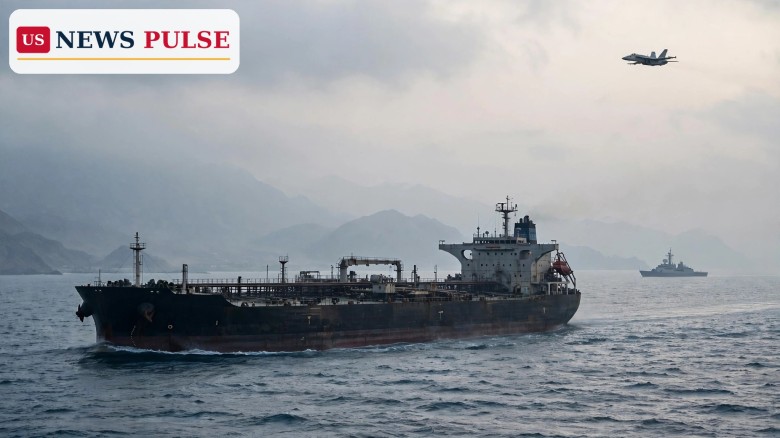
Iran said on Friday, November 27, 2026, that its navy recovered two Iranian oil tankers it claims were "stolen" by the United States military, and that its Revolutionary Guard fired warning shots at an American F-16 fighter jet near Hengam Island in the Strait of Hormuz. The two claims, announced on the same day by Tehran, add a new flashpoint to the war between the United States and Iran, which has already brought American strikes on Iranian territory, a US naval blockade of Iranian ports, and repeated attacks on shipping in the world's most important oil waterway. Washington has not commented on either claim, and neither has been independently verified.
Key Points
- Iranian Navy commander Rear Adm. Shahram Irani said Iranian forces boarded two tankers while their crews slept and detained a security team found asleep aboard.
- Irani gave no dates, and the United States has not commented.
- The Revolutionary Guard said its air defence system fired warning shots at a US F-16 near Hengam Island, forcing it to retreat.
- Tehran warned bypassing its maritime rules in the strait would have severe consequences.
- Treasury Secretary Scott Bessent said Wednesday Iran has loaded no tankers since US sanctions began in August.
What Happened
Rear Adm. Shahram Irani, the commander of Iran's navy, said on Friday that Iranian forces had recovered two Iranian oil tankers he said were "stolen" by the US military. Iranian state media reports carried by Fars and Tasnim said the forces boarded the ships while their crews were asleep and detained a security team found asleep aboard. Irani did not say when the tankers were allegedly seized or recovered, where it happened. The United States has not commented, and no independent evidence has been published.
Separately, the Revolutionary Guard said its Aerospace Force fired warning shots at a US F-16 near Hengam Island on Friday. The Guard said the jet approached Iranian airspace southeast of the island while escorting vessels in unauthorised lanes, and that its new air defence system opened fire, forcing it to retreat. It called Iranian airspace a non-negotiable red line and threatened a decisive response to further violations. The Pentagon has not commented.
Background: A War Fought Over Oil and the Strait
The claims land in a war increasingly fought over oil and control of the Strait of Hormuz, the waterway between Iran and Oman through which about a fifth of the world's traded oil passes. The United States has blockaded Iranian ports and, under Operation Economic Outcast, sanctioned the networks that move Iranian oil. Treasury Secretary Scott Bessent said on Wednesday, November 26, that Iran has loaded no tankers since the sanctions began in August, a claim Tehran's announcement appears designed to answer.
The shipping war has escalated through the autumn. Iran has said it shot down two American drones and that three more tankers struck mines in the strait, The United States has struck Iran's Qeshm Island again, and the USS George Washington has left the Middle East as the American carrier force off Iran fell to two ships. Inside Iran, rationing has hit bread and fuel.
Iran Recovered Two Tankers, Navy Commander Says
The tanker claim is the more startling of the two, because it suggests Iranian forces boarded vessels under American control and took them back. Irani said the tankers were "stolen" by the US military, framing the seizure as a crime. He also claimed American forces collect payments from shipowners for securing passage through the strait and do not return the money when vessels are targeted. That accusation, like the recovery claim, is unverified, and Washington has not responded.
No tanker names, dates, location, photographs or video have been released, and in a war where both sides use shipping claims as weapons, that absence will invite scepticism until independent evidence appears. If it happened, it would embarrass the American blockade; if not, it still signals that Tehran wants the world to believe the blockade can be broken.
Reactions
The Revolutionary Guard's statement carried the sharper language of the day, presenting the incident as proof that Iran's defences can challenge American aircraft over the strait. It called Iranian airspace a "non-negotiable red line" and warned of a decisive response to any further violation, It is the first time the Guard says it actually fired on an American fighter jet during this war.
The silence from Washington is itself a statement. The Pentagon and the White House have not commented, and the US military has not confirmed or denied that one of its jets was fired upon. That caution may reflect a wish to avoid escalating a confrontation neither side says it wants, or that the claims are still being checked. Bessent's Wednesday statement remains the administration's public position.
Why It Matters
The Strait of Hormuz is the chokepoint of the global oil trade, and any shooting incident there carries consequences far beyond the two countries fighting over it. A warning shot at an American fighter jet, if confirmed, would be the closest the war has come to a direct clash between Iranian and American forces in the air, raising the risk of a miscalculation neither side can control.
The tanker claim matters differently. The American strategy depends on the blockade working: if Iranian oil cannot move, Iran's war effort runs out of money. A successful recovery would suggest the blockade has holes and hand Tehran a propaganda victory while its economy is under severe strain.
What Happens Next
The first test will be whether Washington responds. If the Pentagon confirms that an F-16 was fired upon, the incident will demand a reply, and the form of that reply will shape the next phase of the war. If it denies the claim or stays silent, Tehran will likely repeat the story as evidence that it can challenge American power in the strait. Confirmation may take days to emerge from shipping data or satellite imagery. Trump said this week that victory over Iran was at hand, and Iran has said it shot down two US drones as more tankers hit mines.
Frequently Asked Questions
What did Iran claim on Friday?
Its navy recovered two oil tankers it says the US military "stole", and the Revolutionary Guard fired warning shots at a US F-16 near Hengam Island.
Has the United States confirmed either claim?
No. Washington has not commented, and neither claim has been verified. Iran gave no dates, names or location.
Where is Hengam Island?
In the Strait of Hormuz, the narrow waterway between Iran and Oman through which about a fifth of the world's traded oil passes.
What is Operation Economic Outcast?
The US sanctions campaign, begun in August, against the networks moving Iranian oil. Bessent said on November 26 that Iran has loaded no tankers since.
Why does the Strait of Hormuz matter so much?
About a fifth of the world's traded oil passes through it, so attacks, blockades and shooting incidents there move global energy prices.
Related coverage: Iran electricity rationing hits bread and fuel as the US blockade bites hard.
© 2026 US News Pulse. All rights reserved.
 Print
 Save