
California Donor State: $190 Billion More Sent to Washington Than Returned
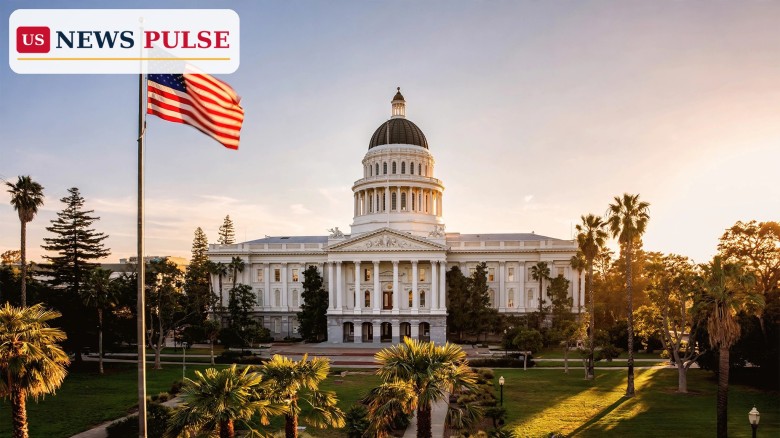
California sent $190 billion more to Washington than it got back in the last fiscal year, easily topping the nation as America's biggest donor state, according to a new USAFacts study released on Wednesday. The Golden State paid $767 billion in federal revenue in the fiscal year ending September 30, 2025 while receiving $576 billion back in federal disbursements, a gap that puts California far ahead of New York, at $91 billion, and Texas, at $69 billion.
Key Points
- California sent $767 billion to the federal government in fiscal 2025 and received $576 billion back, leaving a net gap of $190 billion — the largest of any state.
- New York ranked second at $91 billion and Texas third at $69 billion, far behind California.
- California paid 14.5 per cent of all federal revenue collected from the states, while its 39.5 million people are 11.5 per cent of the nation's 343 million — and it received only 10.9 per cent of federal disbursements.
- The gap is smaller than last year's $276 billion, partly because IRS tax relief granted in 2023 pushed some federal tax payments into the next fiscal year.
- On a per-person basis, Massachusetts was the biggest net donor at $8,047 per resident; California sent $4,832 per person, ranking seventh.
What Happened
The study, released on Wednesday, November 25, 2026, comes from USAFacts, the nonprofit data provider founded by former Microsoft chief executive Steve Ballmer. It is only the second year the organisation has measured what each state sends to Washington against what it gets back.
In the fiscal year ending September 30, 2025, California sent more money to the federal government than any other state. The gap between what it sent and what it received is what makes it the nation's largest donor state. USAFacts analyst Chris Gilligan said the gap reflects California's wealth, which generates heavy tax revenue, while the state receives less in Social Security, defence and veterans' funding than might be expected.
Background: The Donor-State Debate
The idea that some states subsidise others is not new. At least since 2015, the Nelson A. Rockefeller Institute of Government has ranked California among the top five donor states, not counting COVID-19 aid from 2020 through 2022. The USAFacts study puts a fresh number on the imbalance — and it arrives in the middle of a political fight.
Last year, when President Donald Trump threatened to cut all federal funding to the state, Newsom suggested California might want to withhold all the federal taxes its residents and businesses pay, though nothing came of it. Newsom has trumpeted California's donor-state status in his fight with the Trump administration. The two men have clashed on issue after issue, including the death penalty: Trump Slams Newsom's California Death Penalty Plan as Disaster for Justice, and Newsom's commutation of all 548 California death sentences: Newsom Commutes All 548 California Death Sentences to Life Without Parole.
California Donor State in Numbers
The raw numbers are striking. California's $767 billion in payments amounted to 14.5 per cent of all federal revenue collected from the states, while its population — 39.5 million people — is just 11.5 per cent of the nation's 343 million. The $576 billion it received back was only 10.9 per cent of what Washington distributes nationally.
The imbalance is no surprise given the size of the state's economy. California's $4.3 trillion gross domestic product would trail only the United States, China and Germany if it were a separate nation, Texas, third at $69 billion, is itself in political transition: governor-elect Gina Hinojosa has vowed sweeping day-one changes, including scrapping the outgoing governor's H-1B hiring freeze: Hinojosa Vows to Scrap Abbott's H-1B Hiring Freeze on Day One as Texas Governor.
The picture changes on a per-person basis. Massachusetts was the largest net donor state last fiscal year, sending $8,047 per person to the Treasury, followed by Minnesota at $8,038 and Nebraska at $7,799. On a per-capita net basis, California sent $4,832, ranking it seventh. On the other side, Alaska received the largest disbursements per person at $27,670, followed by Virginia at $26,566 and Connecticut at $23,743. Federal contracts shape the differences: Virginia is the nation's leading recipient of defence spending.
Reactions
Newsom has been making this argument for months. In an April 15 tax day statement titled "California pays Trump's bills", he said: "Every year when folks sit down to file their federal taxes, there's a real sense of frustration — and I feel it too — knowing just how much California sends to Washington and how little we get back." A Newsom spokesperson did not respond to a message for comment on the latest figures.
Gilligan, the USAFacts analyst, put the headline figure in perspective: "California is contributing more to the federal government, in raw numbers, than any other state, and it's also getting back more than any other state. That said, the balance isn't one-to-one." The figures land as the administration and California continue to fight over federal funding.
Why It Matters
The donor-state label matters because it has become a political weapon. Newsom uses it to argue that California is carrying the country, and to answer critics who say the state is failing. The $190 billion gap is the largest of any state by a wide margin — more than double New York's — and it gives that argument a concrete number. But the per-capita figures complicate the story: California ranks only seventh per person, so the raw gap reflects the state's size and wealth.
The numbers also matter for the federal budget debate. The USAFacts study gives every state a simple scorecard for how Washington spends. For California, the gap is a reminder that its economy, the world's fifth-largest if counted alone, funds a large share of the federal government while receiving a smaller share of its spending.
What Happens Next
USAFacts will publish the study again next year, and the gap could grow or shrink with the economy: a strong year for technology and artificial intelligence would push California's tax payments higher, while changes in federal spending could shift what comes back. The political fight will continue regardless.
Frequently Asked Questions
What is a donor state?
A donor state sends more money to the federal government in taxes and other revenue than it receives back in federal spending, such as Social Security, Medicare and defence contracts.
How much more did California send than it received?
California sent $767 billion and received $576 billion back in the fiscal year ending September 30, 2025 — a net gap of $190 billion, according to USAFacts.
Which states are the next-biggest donor states?
New York ranked second with a $91 billion gap, and Texas ranked third at $69 billion.
Why is this year's gap smaller than last year's $276 billion?
Partly because IRS tax relief granted in 2023 pushed some federal tax payments into the next fiscal year.
Which state gives the most per person?
Massachusetts, at $8,047 per resident. California sent $4,832 per person, ranking seventh among the states.
© 2026 US News Pulse. All rights reserved.
 Print
 Save