
Don Toliver Manchester Robbery: Police Link Gas Release to Organised Jewellery Thefts
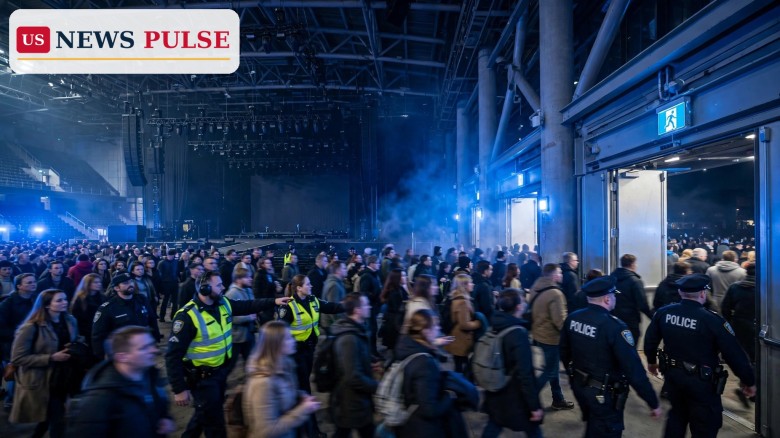
Police investigating the Don Toliver Manchester robbery — the evacuation of more than 12,000 fans from the rapper's concert — now believe the release of an unknown substance into the crowd was a deliberate cover for a series of organised jewellery robberies. Greater Manchester Police said on Friday, November 27, 2026, that a small group of organised criminals targeted concertgoers at the Co-op Live arena on Sunday, November 22, stealing jewellery in the confusion as fans fled the venue. Nine thefts have been reported so far, and no arrests have been made.
Key Points
- Police link the Nov 22 substance release at Co-op Live to organised robberies.
- Nine jewellery thefts reported, including a £1,500 chain taken from a 20-year-old.
- 88 people decontaminated, one woman hospitalised; the substance is still unidentified.
- Detectives are reviewing CCTV and phone footage and want to contact over 100 concertgoers.
- Similar releases were reported at Toliver's Zurich and Paris shows.
What Happened
The substance was released during the support act at Co-op Live on Sunday, November 22. Fans described a burning sensation and struggling to breathe as smoke filled the 23,500-capacity arena. Police declared a major incident shortly after 10 p.m. and evacuated more than 12,000 people. One woman was taken to Manchester Royal Infirmary and 88 others were decontaminated at the scene before being taken to the neighbouring Etihad Stadium.
Police first said the substance was believed to be tear gas, then called it an "unknown substance". On Friday, November 27, Assistant Chief Constable Tom Harding said officers suspected the group had "targeted people in the crowd to commit a series of robberies on the night". Victim Jess Kinyata, 20, told the BBC an 18-carat gold chain worth about £1,500, a gift from his father, was ripped from his neck during the support act.
Background: A Night That Turned From Concert to Chaos
The Manchester show was part of Toliver's Nitrous world tour, supporting his fifth studio album, Octane, nominated for Best Rap Album at the 2027 Grammys. Toliver is also up for Best New Artist. Co-op Live, which opened in 2024, is the UK's largest indoor arena, and the Manchester date was one of its biggest nights of the year.
What began as an ordinary arena show turned chaotic within minutes of the substance being released, as thousands of fans headed for the exits through thick smoke. Toliver wrote on Instagram that night: "My heart and prayers are with everyone that was injured last night at Co-op Live." He postponed his two London shows to December 14 at the OVO Arena Wembley and December 15 at The O2, with original tickets valid; Manchester ticket holders get automatic full refunds.
The incident carried particular weight in Manchester because of the 2017 attack at Manchester Arena, which killed 22 people at an Ariana Grande concert. Harding acknowledged the physical and psychological impact of the incident. Co-op Live launched a "full review" after criticism of security and communication, and the arena reopened on Thursday, November 26, with a Phoebe Bridgers concert.
Don Toliver Manchester Robbery: What Police Know So Far
The police account points to a planned operation. Kinyata's chain was taken before the substance was released, suggesting the group was already working the crowd when the gas went off. The release created exactly the conditions a thief would want: thousands moving at once, attention fixed on breathing and exits, nobody watching pockets or necks.
Nine thefts may not be the full picture; police want over 100 concertgoers to come forward. The pattern may stretch beyond Manchester: police are liaising with European counterparts after similar releases at Toliver's Zurich and Paris shows. If the same group is behind all three, this was a touring crime operation following the artist across Europe.
Reactions
Harding was direct: the group had "targeted people in the crowd to commit a series of robberies on the night". His statement turned the story from a public-safety scare into a criminal investigation, and it was the first official confirmation that the release may have been a means to an end. Kinyata's account gave it a human face: a father's gift, torn away in a crowd.
Fans had already questioned security. Concertgoer Usman Asghar said after the evacuation: "Security did not use metal detectors to check us." That criticism now sits at the centre of Co-op Live's review of how a group could enter the arena, release a substance and steal jewellery during a sold-out show.
Why It Matters
If police are right, this was a new kind of concert crime: a chemical release as cover for theft. Bag checks and metal detectors keep weapons out; they are not designed to stop a group creating chaos inside and working a panicking crowd. Every large venue in Britain will watch how Co-op Live answers that. Fans buy tickets to hear music, not to be robbed in the dark.
A group able to follow a tour from Zurich to Paris to Manchester is organised and mobile, targeting audiences rather than the artist. For Manchester, it also reopens old wounds from 2017: the relief that nobody was killed is real, but so is the anger that a night out ended in theft, hospital visits and an inquiry still without an arrest a week on.
What Happens Next
The investigation depends on the public: detectives are working through CCTV and phone footage, and anyone at the show who lost jewellery or saw anything unusual can contact police via a dedicated portal or the Major Incident Team on 0161 856 0311. Their appeal is the clearest sign they expect more victims and more witnesses.
Lab work to identify the substance and the European liaison will decide where the case goes. Toliver's rescheduled London dates go ahead under closer scrutiny, and Co-op Live's review will be read closely by every arena in the country.
Frequently Asked Questions
What happened at Don Toliver's Manchester concert?
An unknown substance was released at Co-op Live on Nov 22, evacuating 12,000+ fans; police now link it to organised jewellery robberies.
How many people were robbed?
Nine reports so far, including a £1,500 chain taken from Jess Kinyata, 20. Police seek 100+ concertgoers and believe there may be more victims.
Has anyone been arrested?
No; the substance is still unidentified.
What was the substance?
First thought to be tear gas; now only an "unknown substance". Lab work continues.
Are Don Toliver's London shows still happening?
Yes — Dec 14 Wembley, Dec 15 O2; original tickets valid; Manchester refunds automatic.
Related coverage: Don Toliver Concert Evacuated in Manchester as 'Unknown Substance' Fills Arena, Robert Pattinson Is the New James Bond, WWE Star Bronson Reed Dies at 38.
© 2026 US News Pulse. All rights reserved.
 Print
 Save