
Montana Warrantless Immigration Arrests Barred by Federal Judge Statewide
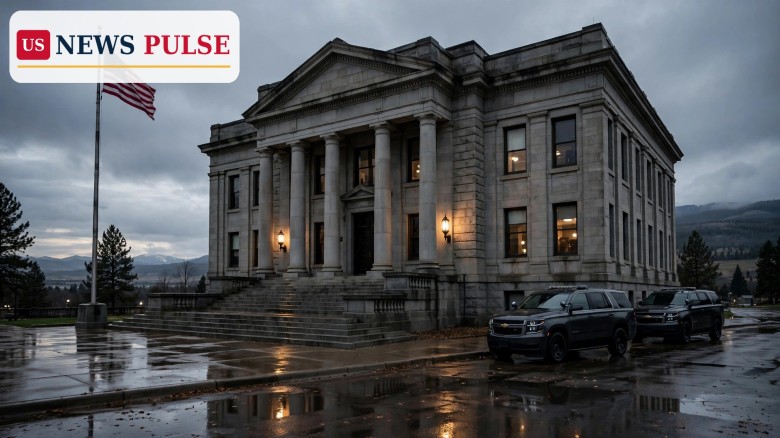
GREAT FALLS, Montana — Montana warrantless immigration arrests are now barred across the state after a federal judge ruled that federal agents have likely carried out a pattern of unlawful arrests since late July. Chief U.S. District Judge Brian Morris issued the order on Wednesday, Nov. 25, 2026, blocking the Department of Homeland Security, Immigration and Customs Enforcement and Customs and Border Protection from making warrantless civil immigration arrests anywhere in the District of Montana.
The 35-page order, in Verde Hernandez v. Department of Homeland Security, No. CV-26-301-GF-BMM, was first reported by Newsweek on Friday, Nov. 27. It is interim relief — a temporary restraining order, a preliminary injunction and a stay — not a final judgment.
Key Points
- Judge Brian Morris barred DHS, ICE and CBP from warrantless civil immigration arrests anywhere in the District of Montana unless agents first make an individualized, pre-arrest finding that the person is likely to escape before a warrant can be obtained.
- Morris found a high likelihood of a pattern and practice of unlawful arrests, counting at least 50 likely unlawful warrantless arrests since July 31, 2026, and finding most DHS arrests in Montana since late July were made without warrants.
- Agents must document the facts behind each warrantless arrest, give that account to the plaintiffs' lawyers within 72 hours, and be sent the order promptly; anyone arrested without a warrant may not be moved out of the district for seven days.
- The plaintiffs — Jesus Verde Hernandez and three others, represented by Upper Seven Law — were found likely to succeed on their Administrative Procedure Act and Section 1357(a)(2) claims, with Morris rejecting the department's threshold defences.
- The ruling follows similar warrantless-arrest limits in Colorado, Oregon, California and New York, and a DHS appeal to the Ninth Circuit is expected.
What Happened
Morris granted the temporary restraining order, preliminary injunction and stay on Wednesday, Nov. 25, in the Great Falls Division of the District of Montana. The order covers the whole district: DHS, ICE and CBP may not make a warrantless civil immigration arrest anywhere in Montana unless an agent first makes an individualized, pre-arrest finding that the person is likely to escape before a warrant can be obtained.
That escape-risk test is the standard in federal law, 8 U.S.C. Section 1357(a)(2), which allows immigration officers to arrest without a warrant only when there is reason to believe the person is in the United States in violation of the law and is likely to escape before a warrant can be obtained. Morris found that in Montana the exception had become the rule: most DHS arrests since late July were made without warrants, and at least 50 were likely unlawful.
Background/Context
The case was brought by Jesus Verde Hernandez and three other plaintiffs, represented by Upper Seven Law. They asked the court to stop a pattern of warrantless arrests across the state, and Morris found they were likely to succeed on two claims: that the arrests violated the Administrative Procedure Act, and that they violated Section 1357(a)(2) itself.
Montana is not the first state where a federal court has stepped in: similar limits on warrantless immigration arrests have already been imposed in Colorado, Oregon, California and New York. The Montana order adds a largely rural, northern-border state to that list, and it applies statewide.
Montana Warrantless Immigration Arrests: What the Order Requires
The heart of the order is the individualized finding. Before any warrantless civil immigration arrest in Montana, an agent must assess the specific person in front of them and record a finding that the person is likely to escape before a warrant can be obtained. A general assumption that people encountered by immigration officers might flee is not enough; the finding must be tied to the facts of the individual case.
The documentation rule gives that requirement teeth: agents must write down the facts behind each warrantless arrest and deliver that account to the plaintiffs' lawyers within 72 hours. None of this stops immigration enforcement in Montana — agents can still arrest with a warrant, and without one when the escape-risk finding is genuinely made and documented. What the order stops is the routine use of warrantless arrests as the default.
Reactions/Quotes
In court, government lawyers argued the arrests were "unconnected encounters," not a pattern — a position Morris rejected. The judge found a high likelihood that DHS is engaged in a pattern and practice of unlawful arrests, built on the count of at least 50 likely unlawful warrantless arrests since July 31, 2026.
The department also raised threshold defences, arguing the court could not review the practice at all: that challenges to individual arrests must be channelled elsewhere, that there was no reviewable policy, and that an order to simply obey the law would be too vague to enforce. Morris rejected each argument.
Why It Matters
First, the order puts a statewide check on an enforcement practice a federal judge found was likely unlawful in dozens of cases. By requiring an individualized escape-risk finding, documented in writing, the order turns a legal limit into a rule agents must apply case by case.
Second, the seven-day hold on transfers out of the district protects access to the courts: once a person is moved across the country, challenging an arrest becomes far harder. Third, the ruling adds Montana to a growing national map of court-ordered limits on warrantless immigration arrests.
What Happens Next
The department is expected to appeal to the Ninth Circuit, which hears appeals from the District of Montana. An appeal would test Morris's reading of Section 1357(a)(2), his finding of a pattern and practice of unlawful arrests, and his rejection of the department's threshold defences. In the meantime, the order remains in force.
Frequently Asked Questions
What did the judge order?
Chief U.S. District Judge Brian Morris barred DHS, ICE and CBP from warrantless civil immigration arrests anywhere in the District of Montana unless agents first make an individualized, pre-arrest finding that the person is likely to escape before a warrant can be obtained.
What is the escape-risk standard?
Under 8 U.S.C. Section 1357(a)(2), immigration officers may arrest without a warrant only when there is reason to believe the person is in the United States in violation of the law and is likely to escape before a warrant can be obtained.
Who brought the case?
Jesus Verde Hernandez and three other plaintiffs, represented by Upper Seven Law, in Verde Hernandez v. Department of Homeland Security, No. CV-26-301-GF-BMM, in the Great Falls Division.
Does the order end immigration arrests in Montana?
No. Agents can still arrest with a warrant, and without one when the escape-risk finding is genuinely made and documented. The order stops the routine use of warrantless arrests as the default.
What happens next?
A DHS appeal to the Ninth Circuit is expected. The order is interim relief, not a final judgment, and the case continues while the order remains in force.
Read our related coverage: the ACLU suit over secret subpoenas targeting anonymous ICE critics, the ICE agent facing up to six years in prison in the Floodgates case, and the DHS accusation that California endangered ICE officers in Long Beach.
© 2026 US News Pulse. All rights reserved.
 Print
 Save