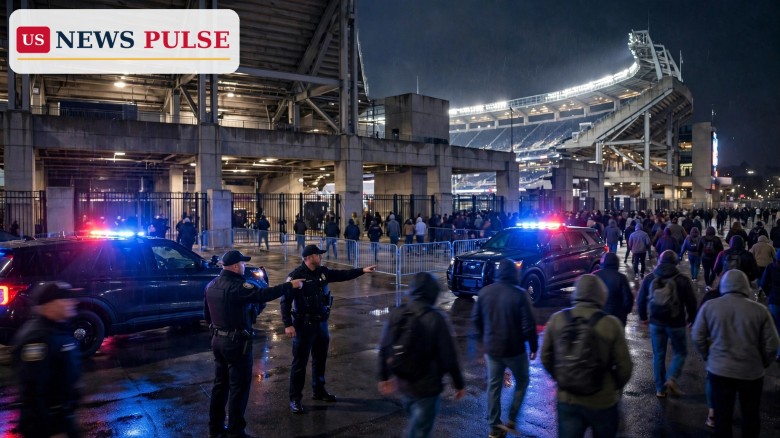
One person was killed and several others were wounded in a shooting outside Legion Field in Birmingham, Alabama, on Saturday night, shortly after the Magic City Classic football game had ended. The gunfire broke out at about 7:50 p.m. local time near the stadium, as fans were still leaving the area after the annual rivalry game between Alabama A&M University and Alabama State University, police and local reports said on Sunday, November 1, 2026.
The Jefferson County Coroner's Office confirmed to local outlet AL.com that at least one person had died. Birmingham police had not, as of Sunday morning, released the total number of people wounded, the conditions of all the victims, the identity of the person killed, or any information about a suspect or a motive. Public safety radio communications reported at least two people critically injured and another person with minor injuries, while other early reports differed on the total count — a reminder, in the first hours of an investigation, that the confirmed facts are narrower than the rumours circulating online.
The shooting took place outside the stadium, not inside it. Birmingham police said the incident occurred near Legion Field at approximately 7:50 p.m. on Saturday, and later reporting placed it near the 400 block of Graymont Avenue West, close to the stadium grounds. Fans were still gathered outside after the game, and tailgating was still under way when the shots were fired.
Police moved quickly to clear the area. In a statement shared on social media on Saturday night, the Birmingham Police Department said: "All Magic City Classic tailgating has been suspended. Everyone needs to leave the stadium property as soon as possible. Please do not come to the Legion Field stadium property at this time." Officers asked members of the public who had video footage from the area to share it with investigators, and the department said on Sunday that it was asking for the public's assistance in sharing any video from the shooting incident at Legion Field.
The human cost was confirmed in stages. The coroner's office confirmed one death to AL.com. Birmingham police Officer De'Rell Freeman said in a statement: "We cannot confirm a condition on any individuals at this time." That caution is important: while public safety radio traffic indicated at least two people in critical condition and one person with minor injuries, police themselves had not published a victim count, and the conditions of the other victims had not been released. Investigators had also not said whether more than one person fired shots, what led to the violence, or whether anyone had been taken into custody.
The timing added to the shock. The Magic City Classic is one of the biggest days on Birmingham's calendar, drawing tens of thousands of fans, alumni and families to the city for a weekend of football, marching bands, tailgating and reunions. Saturday night's violence came as that celebration was winding down, with crowds still moving through the streets and car parks around the stadium. For many of those present, the evening had begun as a festival and ended in a police cordon.
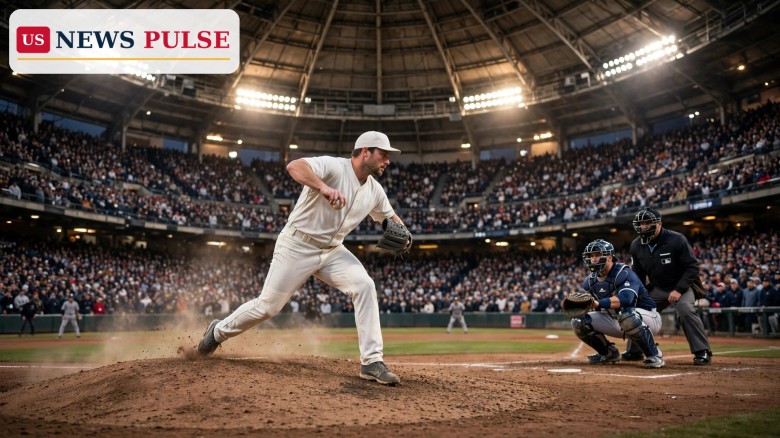
The Magic City Classic is the annual football rivalry between Alabama A&M University and Alabama State University, two historically Black universities in Alabama. The 2026 edition, played on Saturday, October 31, was the 85th meeting in the series, and it is billed as the largest historically Black college and university (HBCU) football game in the United States. The game is far more than a single match: it is a weekend event built around the football, the bands, the tailgates and the alumni gatherings that bring graduates back to Birmingham year after year.
On the field, Alabama A&M won a close contest, beating Alabama State 31-28. The victory ended a four-game losing streak for Alabama A&M against its rivals, according to local and specialist coverage of the game. The result itself was, by the standards of the rivalry, a dramatic one — a three-point margin in a game that had drawn a large crowd to Legion Field, the historic Birmingham stadium that has hosted the Classic for decades.
Legion Field, in the Graymont neighbourhood of Birmingham, has long been the home of the Classic and of Birmingham football more broadly. Its surroundings — the streets, car parks and tailgate areas where fans gather before and after the game — are part of the event's character, and they were also where Saturday night's shooting unfolded. Police cordoned off the area after the shooting, and the suspension of tailgating effectively ended the night's celebrations early.
Saturday night's shooting also came at the end of a Halloween weekend that had already seen serious gun violence elsewhere in the United States, including a separate shooting at a Halloween store in Fairfield, California, on Friday night. There is no reported connection between the Birmingham and Fairfield incidents, and they should not be conflated: they happened in different states, in different circumstances, and are being investigated by different police departments. The Birmingham case stands on its own facts, and those facts, so far, are limited to what police and the coroner have confirmed.
It is worth setting out, plainly, what is confirmed and what is not, because early reporting of shootings often mixes the two. Confirmed: one person died; the shooting happened at about 7:50 p.m. on Saturday, October 31, near Legion Field, shortly after the Magic City Classic ended; police suspended tailgating and ordered the stadium property cleared; police asked the public for video footage; and the mayor described the shooting as senseless violence while saying it was unclear what led to it.
Not confirmed by police: the total number of people wounded, the identities or conditions of all the victims, whether there was one shooter or more, what the motive was, and whether any arrest has been made. Radio communications and early local reports gave partial pictures — at least two people critically injured, another with minor injuries — but those are not a substitute for a police statement, and Birmingham police were explicit that they could not confirm conditions at the time of their statement. Readers should treat any victim total beyond "one dead, several wounded" as unconfirmed until police publish it.
That discipline matters for the families involved as well as for the public record. In the hours after a shooting, relatives learn what happened from news reports, social media and police statements, often in that order, and inaccurate totals or names can cause real harm before they are corrected. The responsible course, for now, is to report the confirmed death, the confirmed location and time, and the confirmed police actions, and to be explicit about the gaps.
Birmingham Mayor Randall Woodfin released a statement on Saturday night calling the shooting "senseless violence." According to reporting of his statement, Woodfin said it was unclear what led to the shooting — a reflection of how little was known in the first hours, even at the top of the city's government.
Birmingham police's public statements were brief and practical: clear the area, stay away from the stadium property, and share video if you have it. Officer De'Rell Freeman's statement — "We cannot confirm a condition on any individuals at this time" — was the department's clearest signal that it was not yet ready to publish a victim list or a casualty count, and that it would rather say so than guess.
There was no immediate statement, in the reporting reviewed, from either university about the shooting, and no statement from the organisers of the Classic beyond the police direction to end tailgating. That silence is normal in the first hours, when institutions wait for police facts before speaking, but alumni and fans filled the gap online with messages of shock, grief and anger that a day built around community and celebration had ended in gunfire.
This story matters first for the people directly affected: the person who died, the people wounded, their families, and the fans and residents who were nearby when the shots were fired. A shooting at the end of a major public event does not only injure those hit by bullets; it leaves a mark on everyone who was present, on the emergency workers who responded, and on a community that had gathered to celebrate.
It matters, too, for Birmingham and for the Magic City Classic itself. The Classic is a point of pride for the city and for both universities, a weekend that brings visitors, revenue and alumni home. Violence at its edges threatens that reputation and raises practical questions that will have to be answered in the coming days: how the stadium area is policed after the game, how crowds are dispersed, and what, if anything, changes for next year's event.
And it matters in a wider American context, because it is another shooting in a public place, at a public event, on a weekend when families were out in large numbers. Each such incident renews the same debate — about guns, about public safety at large gatherings, about how cities protect crowds as they leave stadiums and festivals — and each time, the debate begins with the same incomplete facts. Getting those facts right, and being honest about what is not yet known, is the first responsibility of reporting like this.
Watch for four developments. First, a Birmingham police statement giving the total number of victims, their conditions, and the identity of the person killed, once next of kin have been notified. Second, any announcement about a suspect — an arrest, a person of interest, or a description — and any account of a motive. Third, a fuller police account of where exactly the shooting happened, how many shots were fired, and whether the incident was targeted or random, questions police have not yet answered. Fourth, statements from the city, the universities and the Classic's organisers about the event, the policing of the stadium area, and any changes planned for future games.
For anyone who was at Legion Field on Saturday night and has video or photographs from the area around 7:50 p.m., the police request stands: share it with the Birmingham Police Department. For the wider public, the advice is simpler: wait for the police facts, be wary of victim totals and names circulating on social media that police have not confirmed, and expect this story to be updated as the investigation develops.
One person was killed and several others were wounded in a shooting outside Legion Field in Birmingham, Alabama, at about 7:50 p.m. on Saturday, October 31, 2026, shortly after the Magic City Classic football game had ended.
Near the 400 block of Graymont Avenue West, close to Legion Field in Birmingham, as fans were leaving the stadium area after the game.
Alabama A&M beat Alabama State 31-28 in the 85th edition of the rivalry, ending a four-game losing streak against Alabama State.
No arrest, suspect or motive had been announced by Birmingham police as of Sunday morning, November 1, 2026.
Police had not confirmed a total number of wounded. One death was confirmed by the Jefferson County Coroner's Office, and public safety radio communications indicated at least two people critically injured and one person with minor injuries.
Related coverage: Fairfield Halloween Store Shooting Leaves One Dead, Six Wounded in California, Fairfield Halloween Shooting Victim Named as Pregnant Constance Hages, 31 and Syracuse Upsets No. 16 SMU 30-27 in Week 9 Thriller.
Leave a Comment



 | Today's Date: