


 | Today's Date:



Blood Pressure Medication Recall: 3,744 Bottles Pulled Over Failed Dissolution Tests
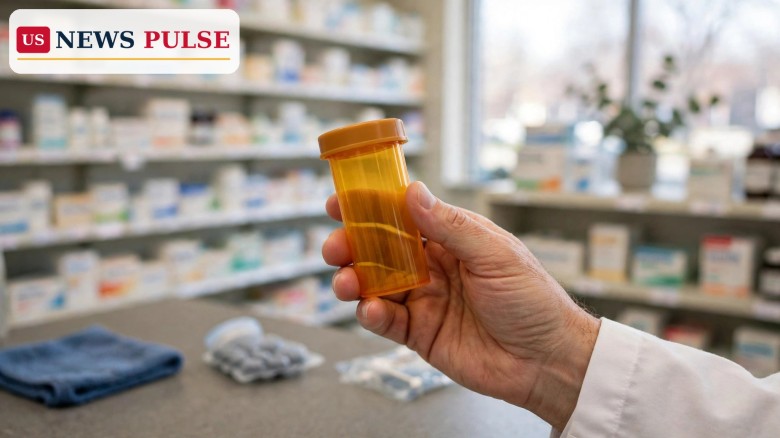
Macleods Pharma USA, Inc. is recalling 3,744 bottles of a three-in-one blood pressure medication nationwide after tablets failed dissolution specifications in testing, according to the U.S. Food and Drug Administration (FDA) enforcement report cited by The Healthy and other outlets. The blood pressure medication recall covers Olmesartan Medoxomil, Amlodipine, and Hydrochlorothiazide Tablets in the 40 mg/10 mg/12.5 mg strength, sold in 30-count and 90-count bottles, and the FDA classified it as a Class II recall in an October 26 report.
Key Points
- Macleods Pharma USA, Inc. recalled 3,744 bottles of Olmesartan Medoxomil, Amlodipine, and Hydrochlorothiazide Tablets (40 mg/10 mg/12.5 mg) nationwide.
- Reason: the tablets failed dissolution specifications, meaning they may not break down as expected, which could affect how the body absorbs the medication.
- FDA classification: Class II, meaning use may cause temporary or medically reversible health consequences, but the probability of serious harm is remote.
- Affected lots: 12251163A (30-count, NDC 33342-246-07) and 12251163B (90-count, NDC 33342-246-10), both expiring May 31, 2027.
- What to do: check the bottle label against the lot and NDC numbers, then contact a doctor or pharmacist before changing how you take the medicine.
What Happened
The company initiated the voluntary recall on October 7, 2026, according to the FDA enforcement information summarised by Rejoy Health, and the FDA subsequently classified the action as Class II on October 26, 2026. The recall number cited in that summary is D-0077-2027. News coverage of the enforcement report surfaced on October 29, when The Healthy published its account of the recall, with further reports following on November 1 and November 2.
Dissolution testing measures how effectively a tablet breaks down under controlled laboratory conditions. It is a routine quality check, and it matters because a tablet that does not dissolve as specified may not release its active ingredients at the expected rate. For a combination pill, that concern touches all three ingredients at once: olmesartan and amlodipine, which help relax blood vessels, and hydrochlorothiazide, a diuretic that helps the body eliminate excess salt and water.
The recalled product was manufactured by Macleods Pharmaceuticals Ltd. in Daman, India, for Macleods Pharma USA, headquartered in Princeton, New Jersey, according to the recall summary. The tablets are prescription-only combination therapy, the kind of treatment used when a single drug does not bring blood pressure under control. Harvard Health figures cited by The Healthy note that up to 30 percent of people with high blood pressure need three different drugs to keep it under control, which is why a three-in-one tablet exists in the first place.
Background/Context
This is not an isolated quality failure in the blood pressure aisle. The Healthy's roundup of the enforcement report places the Macleods recall in a run of similar actions: a September recall involved more than 13,000 bottles of chlorthalidone, and an October recall affected more than 21,000 bottles of a separate combination blood pressure pill. In each case, the stated problem was the same class of manufacturing shortfall — tablets failing to meet dissolution specifications.
Combination blood pressure pills have drawn repeated scrutiny for exactly this reason. A single tablet must dissolve predictably so that each ingredient is absorbed as intended; when dissolution drifts outside specification, the dose a patient actually receives can differ from the dose printed on the label, even though the tablet looks unchanged. Regulators treat that as a quality defect rather than a contamination event, which is reflected in the Class II grading: a situation in which use of, or exposure to, a violative product may cause temporary or medically reversible adverse health consequences, or where the probability of serious adverse health consequences is remote.
The recall also arrives at a moment when American households are already checking labels more often. Recent FDA actions covered by US News Pulse include the Miyoko's plant-based butter recall over yeast, mould and E. coli concerns and an FDA warning over Darwin's cat food lots that tested positive for Salmonella. The Macleods case is different in kind — a prescription drug quality failure rather than a food contamination scare — but the consumer step is the same: match the product in your home against the official identifying details before deciding what to do next.
Blood Pressure Medication Recall: What Failed and Why It Matters
The failed specification is the whole story here, and it is worth stating plainly. The FDA report does not describe contamination, a wrong ingredient, or a labelling mix-up. It describes tablets that did not meet the dissolution standard they were supposed to meet. That distinction matters for patients: the risk is not that the pill contains something harmful, but that it may not work exactly as desired, because the body may not absorb it as intended.
For blood pressure control, reduced effectiveness is not a trivial concern. Uncontrolled hypertension usually causes no symptoms while it raises the risk of stroke, heart attack and kidney damage over time, which is why doctors stress steady, daily control rather than occasional treatment. A patient who unknowingly takes a less effective tablet for weeks could see readings drift upward without feeling any different. That is also why the standard advice in every Class II drug recall is consistent: do not simply stop a blood pressure medicine on your own, because abrupt withdrawal carries its own risks, and instead get a pharmacist or prescriber to confirm whether your bottle is affected and what replacement to use.
Identifying an affected bottle is straightforward, because the recall is narrow: one strength, two bottle sizes, two lots, one expiry date. If the numbers on the bottle do not match, the bottle is not part of this recall. If they do match, the bottle should not be used as normal until a pharmacist or doctor advises otherwise, and it should be kept, not thrown away, until the pharmacy gives return instructions.
Reactions/Quotes
The FDA defines a Class II recall as a situation in which use of, or exposure to, a violative product “may cause temporary health consequences, but the probability of a serious health issue is remote.” That definition, quoted from the agency's classification guidance in The Healthy's report, is the official measure of the risk here — a quality defect with a low probability of serious harm, not a finding of dangerous contamination.
The Healthy also reports the FDA's general guidance for patients in this position: people can generally continue taking medications affected by Class II recalls, though patients should always check with their doctor or pharmacist for guidance first. That guidance is general, not a personal medical instruction, and it points in the same direction as the practical advice in this article — verify first, then act on professional advice.
Macleods Pharma has not issued a press release or specific consumer instructions regarding the recall, according to The Healthy's October 29 report. The reports reviewed for this article mention no illnesses linked to the recalled lots. The absence of reported illnesses is reassuring, but it does not change the identification step: the recall is based on failed laboratory specifications, not on adverse event reports, so a lack of symptoms says nothing about whether a particular bottle is affected.
Why It Matters
Three numbers explain why a 3,744-bottle recall still deserves attention. First, the patients affected are among the most medication-dependent in the country: people whose blood pressure requires three drugs at once, often after single-drug treatment proved insufficient. Second, the defect is invisible: a tablet that fails dissolution looks identical to one that passes, so only the lot and NDC numbers separate an affected bottle from a safe one. Third, the consequence of inaction is silent drift — blood pressure rising without symptoms — rather than an immediate, obvious reaction that would prompt a patient to seek help.
There is a broader supply-chain lesson too. The Macleods recall follows a pattern seen across generic drug manufacturing in 2026, in which dissolution failures have triggered repeated Class II actions for blood pressure medicines made in India for US distribution. Each recall is small on its own, but together they point to quality-control pressure at the manufacturing stage, and they reinforce why the FDA's enforcement reports — lot numbers, NDCs and expiry dates included — are the authoritative source, rather than brand-level headlines.
What Happens Next
Patients should start with the bottle in hand. Compare the product name, strength, NDC, lot number and expiry date against the details in this article. If there is a match, contact the dispensing pharmacy or the prescribing doctor promptly and ask about a replacement supply and how to return the affected bottles. Pharmacies handling a recall normally arrange the return and replacement through their wholesaler, so patients should not need to negotiate directly with the manufacturer.
Doctors and pharmacists, for their part, will be checking their own stock against the same lot numbers and contacting patients who received the affected lots, since prescription records let a pharmacy trace exactly who was dispensed which lot. Anyone who cannot reach a pharmacy quickly and is concerned about a missed or reduced dose should seek medical advice rather than doubling up on another day or borrowing someone else's medication — both of which can do more harm than a short delay under supervision.
Regulators are unlikely to take further action on this specific recall unless new information emerges, such as additional lots or adverse reports. The enforcement report classification is already set at Class II, and the recall is voluntary. What bears watching is whether dissolution-related actions for combination blood pressure pills continue into the winter, which would suggest a wider manufacturing issue rather than a single-lot lapse.
Frequently Asked Questions
Which blood pressure medication was recalled?
Olmesartan Medoxomil, Amlodipine, and Hydrochlorothiazide Tablets, 40 mg/10 mg/12.5 mg, made for Macleods Pharma USA. Only two lots are affected: 12251163A in 30-count bottles and 12251163B in 90-count bottles, both expiring May 31, 2027.
How do I know if my bottle is affected?
Check the label for the product name and strength, then the NDC (33342-246-07 for the 30-count bottle, 33342-246-10 for the 90-count bottle) and the lot number. All three must match for the bottle to be part of this recall.
Is the recalled medicine dangerous?
The FDA classified this as a Class II recall, meaning use may cause temporary or medically reversible health consequences, but the probability of serious harm is remote. The problem is failed dissolution, which could reduce how well the tablet is absorbed, not contamination with a harmful substance.
Should I stop taking it if my bottle matches?
Do not stop a blood pressure medicine abruptly without medical advice. Contact your doctor or pharmacist first, confirm the bottle is affected, and ask about a replacement and return instructions.
Were any illnesses reported?
The reports reviewed for this article mention no illnesses linked to the recalled lots. The recall is based on failed dissolution specifications found in testing, not on patient harm reports.
Related coverage: Miyoko's butter recall: plant-based spread pulled in 10 states over E. coli fears and Darwin's cat food Salmonella alert: FDA warns two lots after cat hospitalised.
Sources: The Healthy (FDA enforcement report, October 29, 2026); Rejoy Health (FDA enforcement report summary, November 1, 2026); BritBrief (November 2, 2026). This article is for information only and is not medical advice; patients should consult their doctor or pharmacist about their own medication.
Leave a Comment