


 | Today's Date:





Democrats Plan Flood of Trump Probes If They Retake House, Report Says
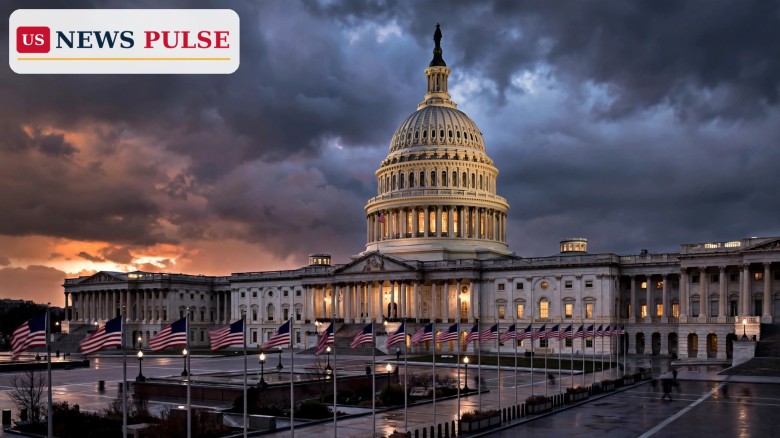
Washington, D.C. — Congressional Democrats are laying the groundwork for a sweeping wave of investigations into President Donald Trump, his family and his administration if they regain control of the House of Representatives in Tuesday's midterm elections, the Washington Post reported on November 3, 2026. The Democrats Trump probes plan would give the party subpoena power in January and open a confrontational chapter in Washington, with inquiries prepared before any votes are counted.
With Democrats favoured to capture the House and the Senate race seen as a toss-up, lawyers and companies are already preparing for what could follow a change in control. Attorneys told the Post that businesses which have dealt with the administration are bracing for subpoenas and document demands.
Key Points
- The Washington Post reports Democrats are preparing a flood of probes into President Donald Trump, his family and their business ties if they retake the House.
- House Oversight ranking Democrat Robert Garcia would lead the committee, with priorities including family business dealings, the Jeffrey Epstein investigation, corporate corruption, Homeland Security and ICE.
- Gibson Dunn investigations chief Michael Bopp called the advance preparation "an unprecedented level of activity" in three decades.
- Democrats are expected to focus more than in the past on private businesses that interacted with administration officials, as a route to presidential communications.
- The White House said it is prepared to respond whichever party controls Congress, while spokeswoman Lauren Bis called the anticipated probes a "decade-long witch hunt".
What Happened
The Post's report, published on Election Day itself, paints a picture of a party preparing not merely to win, but to govern through oversight from its first days in the majority. If Democrats take the House, they would take over its committees in January, and with them the power to issue subpoenas, compel testimony and demand internal documents from the executive branch and from private companies.
According to the report, that preparation is already unusually advanced. Businesses are seeking legal advice, preserving documents and rehearsing how executives might respond to congressional testimony. The expected scope is broader than a typical change of control: rather than focusing only on agencies and officials, Democrats plan to examine the private firms that did business with, donated to or otherwise interacted with the administration.
That approach matters because it could reach material that executive privilege might otherwise shield. Former Justice Department official Michael Edney told the Post that companies could provide an easier route to presidential communications.
Background/Context
What the Post describes as different this time is the scale and earliness of the preparation. Bopp told the newspaper it was "an unprecedented level of activity in advance of an anticipated change in control", adding that he had not seen such extensive preparations ahead of a potential shift in three decades. That assessment, from a lawyer who advises companies facing congressional scrutiny, underlines how seriously corporate America is taking the prospect of a Democratic House.
Democrats Trump Probes: What Oversight Would Look Like
At the centre of the reported plan is the House Oversight Committee, the panel most associated with investigations of the executive branch. Its ranking Democrat, Representative Robert Garcia of California, is set to lead the committee if Democrats win, and he has already named his priorities: the Trump family's business dealings, the Jeffrey Epstein investigation, corporate corruption, and the Department of Homeland Security and Immigration and Customs Enforcement (ICE).
Each priority touches a different nerve. Family business dealings raise questions about conflicts of interest; the Epstein investigation concerns how the government handled a politically charged criminal case; and Homeland Security and ICE go to the heart of immigration enforcement. Representative Jamie Raskin also flagged "political public slush funds outside the government process" and donors to the White House ballroom project.
Taken together, the list suggests an oversight agenda spanning personal, corporate and institutional targets, rather than a single investigation with a single endpoint. That breadth is itself a signal: Democrats appear to be planning a programme of inquiries, not a one-off hearing.
Reactions/Quotes
The most striking reaction in the Post's reporting came not from a politician but from the lawyers advising companies in the firing line. Bopp said: "It is an unprecedented level of activity in advance of an anticipated change in control." He added that he had not seen such extensive preparations ahead of a potential shift in three decades, a remark that captures how the prospect of investigations is already reshaping corporate legal planning.
The White House struck a defiant but measured tone. It told the Post it is prepared to respond whichever party controls Congress after the midterms. Spokeswoman Lauren Bis went further, calling the anticipated probes a "decade-long witch hunt" — language echoing the president's own long-running description of investigations into him and his circle. No Democratic leader quoted in the reporting promised impeachment, and the Post's account frames the plan as investigations first.
Why It Matters
If Democrats win the House, the investigations would reshape the second half of President Trump's term. Subpoena power would allow committees to demand testimony, obtain documents not released voluntarily, and hold public hearings on uncomfortable subjects.
For businesses, the stakes are practical as well as reputational: a subpoena can mean months of document review, legal costs and executive time. For voters, the prospect raises a familiar question: whether oversight serves accountability or becomes partisan warfare.
What Happens Next
The immediate next step is the election result itself. If Democrats do not win the House, the reported plan remains just that — a plan. If they do, the machinery moves quickly: committee chairs are chosen, staff are hired, and subpoenas can begin after the new Congress takes over its committees in January.
Even then, the path is unlikely to be smooth. The administration could resist via executive privilege, negotiation or court challenges, and a Justice Department opinion says some outside-adviser communications may be protected. Each dispute could take months, meaning investigations reported on Election Day could still be playing out well into 2027. For related coverage, see Trump's clash over a $50 million contract, how outlets will call the 2026 midterm races, and the Cook Political Report's late shift toward Democrats.
Frequently Asked Questions
What did the Washington Post report about Democrats and Trump investigations?
It reported that Democrats are preparing inquiries into President Donald Trump, his family and his administration if they regain the House in 2026, with businesses already preparing for subpoenas.
Who would lead the House Oversight Committee if Democrats win?
Ranking Democrat Representative Robert Garcia of California is set to lead the committee, with priorities including Trump family business dealings, the Epstein investigation, corporate corruption, Homeland Security and ICE.
Why are Democrats focusing on private businesses?
Because companies that interacted with officials may hold communications easier for Congress to obtain than White House records shielded by executive privilege.
When could subpoenas begin?
If Democrats win the House, they could begin issuing subpoenas after taking over committees in January, although the administration could resist through privilege claims, negotiation or court challenges.
How has the White House responded?
The White House said it is prepared to respond whichever party controls Congress; spokeswoman Lauren Bis called the probes a "decade-long witch hunt".
Leave a Comment