


 | Today's Date:





FDA Upgrades Lidl Gelato Recall to Highest Risk Over Listeria in Coffee and Vanilla Pints
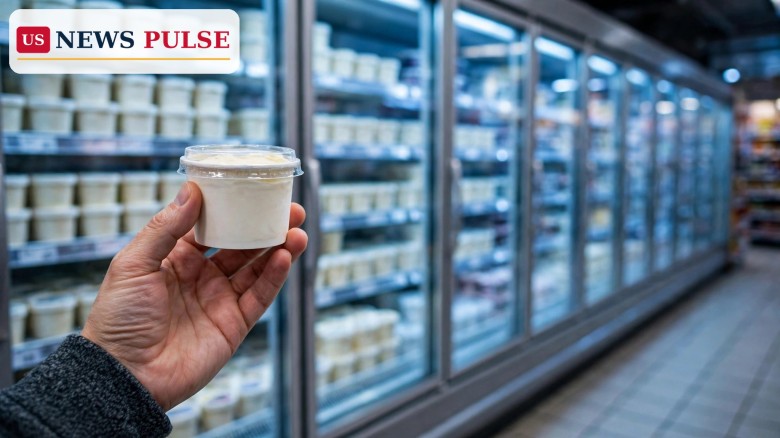
A popular gelato sold at Lidl stores across the eastern United States has been moved to the highest risk category in the American food safety system, after federal testing confirmed the frozen dessert was contaminated with listeria. The Food and Drug Administration (FDA) upgraded the Lidl gelato recall to Class I, its most serious classification, in an enforcement alert issued on November 3, 2026.
The recall covers 1,122 pints of Gelatelli Coffee & Vanilla Gelato with Coffee Sauce & Cookie Pieces, sold in Washington, D.C., and nine states between July 19 and October 15, 2026. Lidl US began the recall voluntarily on October 16, after routine testing found Listeria monocytogenes in a laboratory sample. No illnesses had been reported, but listeria can be life-threatening for pregnant women, newborns, older adults and people with weakened immune systems.
Key Points
- The FDA upgraded Lidl’s Gelatelli gelato recall to Class I, its highest risk level, on November 3, 2026.
- The recall covers 1,122 pints sold in Washington, D.C., and nine states between July 19 and October 15, 2026.
- Routine testing found Listeria monocytogenes in a sample, prompting the voluntary recall on October 16.
- Affected pints carry UPC 4 0564897 22458, lot number 085261 and a best-by date of March 26, 2028.
- No illnesses had been reported, but listeria can be life-threatening for vulnerable groups.
What Happened
Lidl US announced the voluntary recall on October 16, 2026, after a routine test detected Listeria monocytogenes in a sample of the gelato. The product was sold in 16-fluid-ounce pints in Delaware, Georgia, Maryland, New Jersey, New York, North Carolina, Pennsylvania, South Carolina and Virginia, as well as in Washington, D.C.
On November 3, the FDA raised the recall to Class I, meaning there is a reasonable probability that eating the product will cause serious adverse health consequences or death. The upgrade adds no new products. Only one lot is affected, with a best-by date of March 26, 2028, so pints bought in the summer may still be sitting in home freezers.
Background: What Is Listeria and Why Is It Dangerous?
Listeria monocytogenes is a bacterium that can contaminate food during production and packing. Unlike most food poisoning germs, it can grow slowly even at refrigerator temperatures, and freezing does not kill it. That makes frozen foods a particular concern when contamination is found, because a product can sit in a home freezer for months and still carry live bacteria.
Most healthy adults who eat contaminated food develop mild symptoms, or none at all. But listeriosis can be severe: fever, muscle aches, headache, stiff neck, confusion and loss of balance, and in some cases bloody diarrhoea and dehydration. In pregnant women it can cause miscarriage, stillbirth or life-threatening infection in a newborn, while older adults and people with weakened immune systems face the highest risk. Symptoms can appear from a few days to 10 weeks after eating contaminated food, which can delay linking an illness to a food eaten weeks earlier.
Lidl Gelato Recall: How to Check Your Freezer
Shoppers should check the lot number and best-by date printed on the pint. The recalled product is Gelatelli Coffee & Vanilla Gelato with Coffee Sauce & Cookie Pieces, in a 16-fluid-ounce pint, with UPC 4 0564897 22458, lot number 085261 and a best-by date of March 26, 2028. Only pints with that lot number are covered.
Anyone who finds a matching pint should not eat it, even if it looks and smells normal, because listeria contamination cannot be seen or tasted. The FDA advises consumers to throw the product away or return it to a Lidl store for a refund, and to clean any freezer shelves or drawers that may have touched it. People who ate the gelato and develop fever, muscle aches, headache, stiff neck or confusion should contact a doctor and mention the possible listeria exposure.
Reactions
Lidl US moved first, pulling the product voluntarily on October 16, the same day testing confirmed the contamination. Voluntary recalls are the standard first step in the food safety system: a company removes the product and notifies regulators, and the FDA then assesses the risk and publishes the recall in its enforcement reports.
The FDA’s November 3 enforcement alert formalised the risk. By classifying the recall as Class I, the agency put it in the same category as its most urgent food safety actions, reserved for products that could cause serious harm or death. The agency has not reported any illnesses linked to the gelato, and no other Lidl products are covered. Gelato is eaten without cooking, so no step at home kills the bacteria.
Why It Matters
The recall matters because of who listeria harms most. For a healthy adult, contaminated gelato might pass without notice. For a pregnant woman, a newborn, an older person or someone whose immune system is weakened by illness or treatment, the same pint can mean hospitalisation, or worse. That gap between mild and severe outcomes is what drives the FDA’s highest risk rating.
It also matters because of timing. The affected pints carry a best-by date of March 2028, so they can sit in home freezers for well over a year, and a recall announced in October can easily be missed by someone who bought the product in July. Routine testing found the contamination before any illnesses were reported.
What Happens Next
Lidl stores have removed the affected lot from sale, and the FDA will continue to list the recall in its enforcement reports while monitoring for illnesses linked to the product. Shoppers who return a recalled pint should receive a refund. Anyone who still has a pint at home should check the lot number now, and the simplest protection is to throw it away or return it. Health officials will update the public if any illnesses are connected to the gelato.
Frequently Asked Questions
Which gelato is recalled?
Gelatelli Coffee & Vanilla Gelato with Coffee Sauce & Cookie Pieces, 16-fluid-ounce pint, UPC 4 0564897 22458, lot 085261, best-by March 26, 2028. Only that lot is affected.
Where was the gelato sold?
At Lidl stores in Washington, D.C., and nine states: Delaware, Georgia, Maryland, New Jersey, New York, North Carolina, Pennsylvania, South Carolina and Virginia, between July 19 and October 15, 2026.
What should I do if I bought it?
Do not eat it. Throw it away or return it to a Lidl store for a refund. Freezing does not kill listeria.
Has anyone become ill from the gelato?
No illnesses had been reported when Lidl announced the recall on October 16, 2026. Because symptoms can take up to 10 weeks to appear, health officials will keep watching for cases.
What are the symptoms of listeria infection?
Fever, muscle aches, headache, stiff neck, confusion and loss of balance. Pregnant women, newborns, older adults and people with weakened immune systems face the highest risk and should seek medical advice quickly if they may have eaten the product.
Related coverage: The FDA has acted on other food safety scares in recent weeks, including the end of the Trader Joe’s chicken wrap E. coli outbreak and an FDA salmonella warning over two lots of Darwin’s cat food.
Leave a Comment