


 | Today's Date:

Qatar Bridge Deal: 48-Hour Plan Trades Blockade Relief for Hormuz Reopening
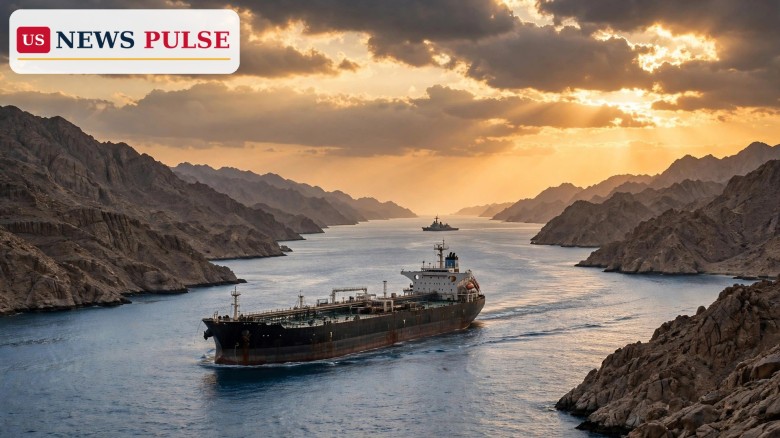
Qatar has put a two-day Qatar bridge deal on the table that could break the deadlock between the United States and Iran, trading an end to the American naval blockade and the release of frozen Iranian funds for nuclear inspections and the reopening of the Strait of Hormuz. The plan, reported over the weekend, is the most concrete peace proposal of months of mediation — and it lands as President Donald Trump meets Qatar's prime minister at the White House.
On day one, Washington would lift its blockade of Iranian ports and release part of roughly $8 billion in frozen Iranian funds, while Tehran would admit IAEA inspectors to nuclear sites bombed by the US and Israel. On day two, Iran would reopen Hormuz under a temporary arrangement with Oman.
Key Points
- Qatari mediators presented a two-stage, 48-hour "bridge deal" to the US and Iran, reported Saturday by The Guardian and Sunday by the Associated Press.
- Day one: the US lifts its naval blockade of Iranian ports and releases part of about $8 billion in frozen Iranian funds; Iran admits IAEA inspectors to its bombed nuclear sites.
- Day two: Iran reopens the Strait of Hormuz under a modified arrangement agreed with Oman, as a temporary mechanism until a permanent deal with other Gulf states.
- Afterwards, the sides would hold extensive talks on Iran's stockpile of 440.9 kilograms of uranium enriched to 60 percent purity, a short technical step from weapons-grade 90 percent.
- Neither side had accepted the plan as of Friday, November 6, Axios reported; two Middle East officials said on Friday that Iran is still reviewing the Qatari proposals.
What Happened
Qatari mediators presented the deal to both governments in recent days; The Guardian reported it on November 7, the Associated Press the next day. Axios reported that, as of Friday, November 6, neither Washington nor Tehran had accepted it. The sequencing is the heart of the proposal: it splits the hardest concessions across two days. Washington lifts the blockade and returns some frozen money; Iran opens its damaged nuclear sites to inspectors and restores shipping through the strait.
The Hormuz arrangement adds a twist: the temporary mechanism was worked out between Iran and Oman, but the United States has not yet approved it. The timing is deliberate — Trump meets Qatar's Prime Minister Sheikh Mohammed bin Abdulrahman Al Thani at the White House on Monday, November 9, with Qatar acting as chief mediator.
Background: Nine Months of War and Months of Mediation
The war between the United States and Iran began on February 28, 2026, and is now in its ninth month. American strikes on Iranian nuclear and military targets were followed by Iranian retaliation, a US naval blockade of Iranian ports, and talks that produced pauses but never a settlement. Qatar has been the go-between throughout: Doha carried messages for months, and in September Tehran presented a seven-day roadmap through Qatar. The new deal compresses that seven-day plan into two days, at Doha's request, according to Foreign Minister Abbas Araghchi on November 2.
The blockade has been the war's sharpest economic weapon, while Tehran has answered by threatening shipping through Hormuz, the chokepoint for much of the world's oil. Earlier mediation moved things but broke no deadlock: Iran sent Washington a nuclear proposal through Qatar tied to seven demands.
The Qatar Bridge Deal: What Each Side Gets
For Iran, the deal offers the two things Tehran has demanded since the war began: an end to the blockade and access to its frozen money. Releasing part of the roughly $8 billion would be the conflict's first significant sanctions relief. For the United States, it offers verification and shipping security: IAEA inspectors inside the bombed nuclear sites would establish what remains of a programme Washington says it destroyed, and a reopened Hormuz would restore a vital energy route, with follow-on talks on the 440.9-kilogram stockpile of 60-percent-enriched uranium.
But Tehran has not dropped its core conditions. Two Middle East officials said on Friday that Iran is reviewing the proposals but still insists on ending the blockade, lifting sanctions, unfreezing assets, compensation for war damage and an end to regional hostilities, including Israeli operations in Lebanon, before nuclear talks can proceed. That gap is the plan's central risk: it asks both sides for irreversible steps in exchange for promises. Read more about the mediation in our report on Trump's meeting with Qatar's prime minister and our coverage of Iran's nuclear proposal sent via Qatar.
Reactions and Quotes
The administration has sent mixed signals. Vance said last week Washington has made "progress" and that he and Trump "both feel pretty good about the prospects for potentially coming to a negotiated settlement." Asked about a deadline before strikes resume, he said: "No, we haven't set deadlines." Trump said on Monday a deal was "coming together very nicely".
Rubio was more cautious, saying on Sunday negotiations had made little progress and he saw no imminent breakthrough. Al Thani, speaking at Oxford University on Saturday, November 7, said: "We cannot wait to reach a perfect agreement; we hope to reach a good agreement." Qatar later denied online claims that he had said the talks failed.
Why It Matters
The bridge deal matters because it is the first proposal that sequences the concessions both sides have treated as deal-breakers, instead of demanding them all at once. Previous rounds stalled on this problem: each side wanted the other to move first.
It also matters for the world economy: Hormuz carries a large share of global oil shipments, and every escalation has rippled into fuel prices and shipping insurance. And politically, the November 3 midterms handed both chambers of Congress to the Democrats, leaving Trump less room to escalate a costly war.
What Happens Next
The first test comes on Monday, when Trump meets Al Thani in the Oval Office. Any White House readout will show whether he will bless the two-day sequence — and accept the Oman arrangement for Hormuz that Washington has not yet approved.
If Tehran accepts, the next step is likely the working-level technical meeting Vance has discussed, where delegates would turn a political understanding into a written agreement on the uranium stockpile. If the gap proves too wide, the fallback is more mediation, more military readiness and the risk of another Gulf flare-up.
Frequently Asked Questions
What is the Qatar bridge deal?
A two-stage, 48-hour plan from Qatari mediators: day one lifts the US blockade and releases frozen funds for IAEA inspections of Iran's bombed nuclear sites; day two reopens the Strait of Hormuz and starts wider talks.
What happens to Iran's enriched uranium?
The US and Iran would hold extensive talks on Iran's 440.9-kilogram stockpile of uranium enriched to 60 percent purity — a short technical step from weapons-grade 90 percent.
Has either side accepted the plan?
Not as of Friday, November 6, according to Axios. Two Middle East officials said Iran is reviewing the proposals.
Why is the Strait of Hormuz so important?
The narrow waterway between Iran and Oman carries a large share of the world's seaborne oil. Closing it pushes up oil prices and shipping costs worldwide, so its reopening is central to any deal.
Leave a Comment