

 | Today's Date:





IDF Warns Netanyahu an Iran Strike Could Ignite Multi-Front Regional War
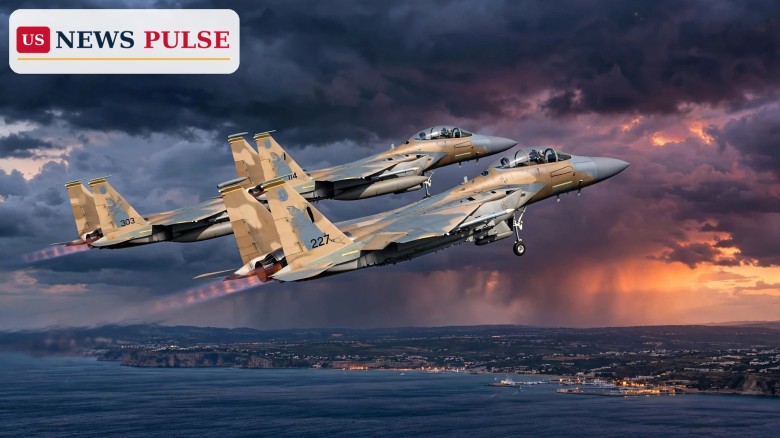
JERUSALEM — Israeli military intelligence has warned Prime Minister Benjamin Netanyahu that an attack on Iran could set off a wider regional war, directly challenging his belief that a new campaign against Tehran could be wrapped up in days, Israeli media reported on Sunday. The warning came in a closed-door meeting last week, as Netanyahu tells his ministers another operation is unavoidable and presses President Donald Trump to strike Iran as soon as possible.
Key Points
- IDF Military Intelligence warned Netanyahu in a closed-door meeting last week that an Israeli attack on Iran could trigger a wider regional conflict involving Lebanon, Syria and Gaza, Channel 12 reported on Sunday, November 22.
- Military Intelligence assessed that a strike could ignite “multiple fronts”, contradicting Netanyahu and Mossad chief Roman Gofman, who expect an operation limited to three to five days.
- Netanyahu told senior ministers and security officials on Friday, November 21, that “an operation against Iran is unavoidable”, Channel 13 reported.
- Netanyahu is pressing President Donald Trump to launch strikes against Iran “as soon as possible”, public broadcaster Kan reported.
- A senior IDF officer told Channel 13 the IDF and US Central Command hold “shared and approved plans” for Iran, and “the question is the timing”.
What Happened
Channel 12 reported on Sunday that IDF Military Intelligence officials used a closed-door meeting with Netanyahu last week to deliver a blunt assessment: an Israeli strike on Iran would not stay contained. Their warning was that the attack could ignite fighting on several fronts at once, drawing in Lebanon, Syria and Gaza alongside the direct confrontation with Tehran. It cuts against the thinking of Netanyahu and Mossad chief Roman Gofman, who expect an operation limited to three to five days.
Netanyahu, meanwhile, was hardening his position. On Friday, November 21, he told senior ministers and security officials that “an operation against Iran is unavoidable”, according to Channel 13. Kan, Israel's public broadcaster, reported that he is pressing President Donald Trump to strike Iran “as soon as possible”. A senior IDF officer told Channel 13 the IDF and US Central Command already hold “shared and approved plans” for Iran, and that “the question is the timing”. The IDF declined to comment, and American officials view Netanyahu's push with scepticism, Channel 12 reported.
Background and Context
The warning is the latest chapter in a weeks-long argument inside Israel's security establishment. Earlier this month, Channel 12 reported that Netanyahu and Gofman had sought an operation against Iran on the eve of Israel's October 27 election, a plan other senior security officials opposed and Washington quickly quashed. Read our report on the secret Iran operation planned before the Israeli election. Gofman has since led the push for action, travelling to Washington on November 13 for talks with senior Trump administration officials, including CIA Director John Ratcliffe. Read our report on Gofman's Washington visit.
The debate has unfolded against months of direct conflict between Israel, the United States and Iran, including strikes on Iranian targets, attacks on shipping in the Strait of Hormuz and Iranian missile fire at American bases in the Gulf. The New York Times reported on November 19 that Trump was weighing new strikes, and Trump said in a Fox News interview that American strikes could resume after the New Year. Read our report on Trump's New Year warning.
IDF Warning: An Iran Strike Could Ignite a Multi-Front War
The core of the warning is what happens after the first bombs fall. A strike limited to Iranian targets would still invite retaliation, the assessment argues, and that retaliation would not come from Iran alone. Lebanon, Syria and Gaza are named as the fronts that could open, leaving Israel facing simultaneous pressure from Hezbollah in the north, armed groups in Syria and militants in Gaza, while defending itself against Iranian missiles and drones.
That is very different from the three-to-five-day operation Netanyahu and Gofman have envisaged, which assumes the other side absorbs the blow and the fighting ends. The assessment assumes the opposite: Iran and its allies would answer together, turning a contained strike into a regional war on several fronts at once, with American forces drawn in as well.
Reactions and Quotes
The sharpest words belong to Netanyahu himself. Telling senior ministers on Friday that “an operation against Iran is unavoidable”, he framed a new campaign not as a choice but as a certainty, according to Channel 13 — the bluntest signal yet that he has decided another round of fighting is coming.
Kan reported that Netanyahu is pressing President Trump to strike Iran “as soon as possible”, a demand at odds with the caution American officials have shown. The IDF would not discuss the closed-door exchange, declining to comment, and Channel 12 reported that American officials view Netanyahu's push for renewed hostilities with scepticism.
Why It Matters
The warning matters because it puts Israel's own intelligence service on record against the prime minister's central assumption about the next war. If Military Intelligence is right, a strike meant to last days could open fronts in Lebanon, Syria and Gaza, stretch Israel's defences across the region and pull the United States deeper into a conflict it has spent months trying to manage.
It also matters because the decision sits with two leaders who are not in step. Netanyahu wants strikes as soon as possible; Trump has spoken of strikes resuming after the New Year. A multi-front war would threaten shipping through the Strait of Hormuz and put American bases across the Gulf at risk.
What Happens Next
The next move belongs to Washington. Netanyahu will keep pressing Trump for an early decision, and the shared and approved plans between the IDF and US Central Command mean a joint operation could be ordered quickly once the political decision is made. Watch for further signs of the argument inside Israel, for movement by American forces in the region and for any further statements from the White House.
Frequently Asked Questions
What did IDF Military Intelligence warn Netanyahu?
Officials warned the prime minister in a closed-door meeting last week that an Israeli attack on Iran could trigger a wider conflict involving Lebanon, Syria and Gaza, igniting “multiple fronts”, Channel 12 reported.
Why does Netanyahu believe an operation is unavoidable?
Netanyahu told senior ministers on Friday, November 21, that “an operation against Iran is unavoidable”, according to Channel 13, and he is pressing President Trump to act as soon as possible.
What are the “shared and approved plans” for Iran?
A senior IDF officer told Channel 13 that the IDF and US Central Command already hold joint plans for operations against Iran, and that “the question is the timing”.
Has the United States agreed to strike Iran?
No. Trump has said American strikes could resume after the New Year, and American officials view Netanyahu's push for immediate action with scepticism, according to Channel 12.
What would a multi-front war involve?
According to the assessment, fighting could open simultaneously in Lebanon, Syria and Gaza alongside direct conflict with Iran, drawing in Iranian-backed groups and putting American forces in the region at risk.

The US News Pulse newsroom covers breaking news across the United States and the world, working from wire services, official statements and on-the-record sources. Every story is reviewed against our editorial standards before publication. Corrections and tips: info@usnewspulse.com
About our newsroomLeave a Comment