

 | Today's Date:




Army Cancelled MuniRem Chemical Fix for Toxic Iowa Lead Azide, NYT Finds
The US Army hired a Georgia company in March to neutralise nearly five tons of degraded lead azide at its Iowa ammunition plant with a chemical solution — then cancelled the contract two months later and chose a blast instead, a New York Times investigation has found. The revelation, published on Saturday, adds a new question to a standoff that has seen the blast delayed three times.
Key Points
- The Army hired MuniRem Environmental in March 2026 to chemically neutralise 68 drums, about 9,500 pounds, of degraded lead azide at its Middletown, Iowa plant.
- The contract was cancelled two months later; MuniRem says then-Army Secretary Dan Driscoll ordered the controlled detonation instead.
- MuniRem proposed a sulfur solution to break down the explosive and stabilise toxic substances, treating surfaces and drums first.
- An Army contracting officer told the company the cancellation was unrelated to its technical proposal.
- The Army says moving or opening the drums could trigger an explosion. The blast is now set for Wednesday, November 25.
What Happened
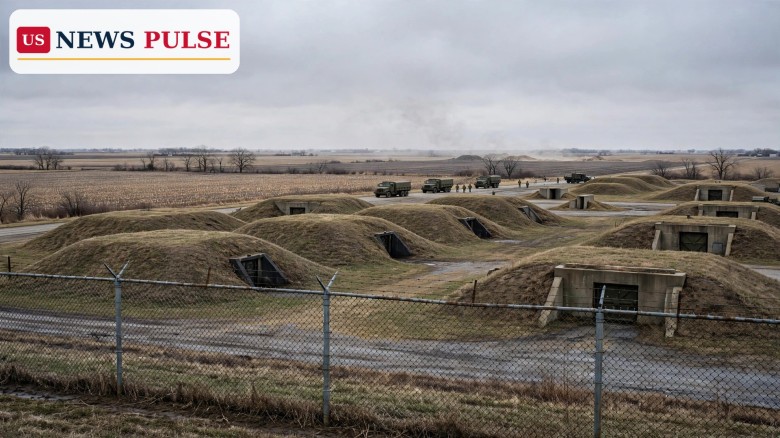
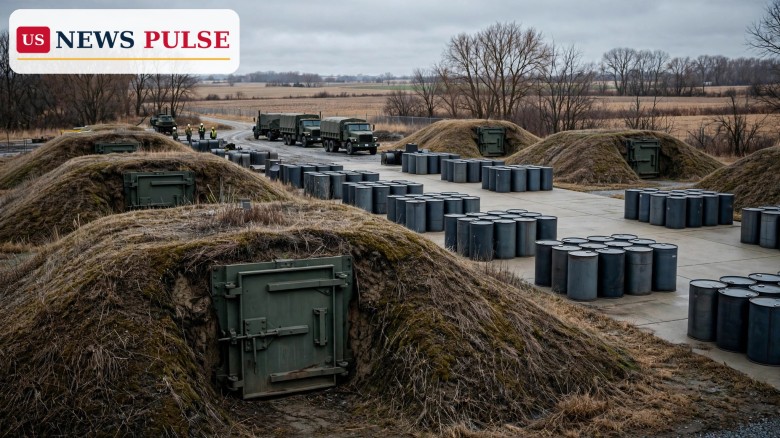
The New York Times reported on Saturday, November 21, that the Army hired MuniRem Environmental, a Georgia company, in March 2026 to chemically neutralise the degraded lead azide found at the Iowa Army Ammunition Plant in Middletown. The contract covered nearly five tons in 68 drums, recrystallised over about 20 years, too sensitive to move.
MuniRem proposed a sulfur-containing solution to break down the explosive and stabilise the toxic substances, treating the surfaces and drums first to reduce the explosion risk. Two months later, the Army cancelled the contract. MuniRem chief executive Valentine Nzengung told the Times that then-Army Secretary Dan Driscoll made the final decision to order a controlled detonation instead, and an Army contracting officer told the company in an email that the cancellation was unrelated to shortcomings in its technical proposal. The Army, the FBI and the Bureau of Alcohol, Tobacco, Firearms and Explosives concluded that moving the drums or removing their lids could set them off. The Army has acknowledged that chemical treatment would produce no lead-dust plume, but said worker and community safety outweighed that benefit.
Background and Context
The stockpile was found in March 2026: a survey found 68 barrels of lead azide, stored about 20 years, had recrystallised and become too sensitive to move. Lead azide is a primary explosive used in detonators; degraded, it can detonate without warning. The Environmental Protection Agency learned of the problem on March 12, issued three emergency storage permits from April to September and an emergency detonation permit on November 13. Its plume map showed toxic lead dust moving between Iowa City, Cedar Rapids, Clinton and Davenport, and as far north as Maquoketa, travelling up to 100 miles by the Army's model.
On Thursday, November 19, the Iowa Environmental Council and the Sierra Club Iowa Chapter, represented by Earthjustice, sued in the 8th US Circuit Court of Appeals, which paused the EPA permit that day. The Justice Department told the court the Army may proceed without a permit under the "immediate threat" exception, with the blast by Tuesday, November 24. The detonation has since been delayed again, to Wednesday, November 25, the third delay in four days. Governor Kim Reynolds activated the State Emergency Operations Center on Friday, November 20, and launched a dedicated website on Sunday with information from the Army and the EPA.
The Cancelled MuniRem Contract for Iowa Lead Azide
The cancelled contract is now the central unanswered question in the Iowa lead azide story. The Army had a contractor ready to neutralise the material chemically, avoiding any lead-dust plume. The company says its technical proposal was not the problem, and the Army has not explained what changed between March and May.
The Army also ruled out the other alternatives — building a structure over the drums, moving them to an existing disposal site, and leaving them in storage — and concluded that detonation in place, with sand-filled barriers about two stories high and a water mist, was its only viable option. That reasoning faces a new test: the Army says the material grows more dangerous as it gets colder, with Monday night's forecast low in Middletown at 22 degrees. For people near the plant, the cancelled contract changes the argument: the choice was never simply between a risky blast and doing nothing. There was a third path, hired and then abandoned, and the public only now learned it existed.
Reactions and Quotes
The Army says safety drove the decision: chemical treatment would have required handling the drums in ways that could set them off, and the risk to workers and the community outweighed the advantage of avoiding a plume. It has not disputed the Times' account.
The Justice Department told the 8th Circuit that "the real choice... is between a planned and mitigated detonation and an unplanned and unmitigated explosion". That frames the blast as the safer of two bad outcomes — a framing the cancelled contract complicates, since a chemical option would have avoided both. Governor-elect Rob Sand called the Army's communication "an unacceptable lack of communication and clarity"; Senator-elect Josh Turek called for a delay until the health risks are better understood.
Why It Matters
This matters first for public health. Lead is a potent neurotoxin, and the Centers for Disease Control and Prevention states that no safe blood lead level has been identified in children. A blast that throws lead dust over south-east Iowa is a public-health event. It matters, too, because the public was told the blast was the only option, yet the Army hired a company to do the job chemically, then cancelled the contract without fully explaining why. It also matters as a test of emergency powers: the 8th Circuit froze the EPA's permit, yet the Army says it can proceed anyway.
What Happens Next
The detonation is now set for Wednesday, November 25, with no time announced. Watch for a new time, evacuation guidance and any updated plume map. The Army has released no new plume map since November 15, and the lead that could be released remains unknown. The court challenge continues, and any 8th Circuit ruling before Wednesday could change the plan again.
Frequently Asked Questions
What did MuniRem propose to do with the lead azide?
MuniRem proposed a sulfur solution to break down the explosive and stabilise toxic substances, treating surfaces and drums first.
Why did the Army cancel the MuniRem contract?
The Army cancelled it in May 2026, two months after signing; its contracting officer said the cancellation was unrelated to shortcomings in its technical proposal.
Was the chemical option safer than detonation?
Chemical treatment would produce no lead-dust plume, but the Army says worker and community safety outweighed that benefit.
When will the detonation happen now?
The Army has delayed it to Wednesday, November 25, 2026, after first setting it for Friday, November 20, then Monday and then Tuesday.
What should residents near the plant do?
Check Governor Reynolds' website and local school and county notices for the latest guidance.
Read more: the Army would detonate the lead azide by Tuesday under emergency powers; the Army delayed the detonation again to Wednesday as a cold snap nears.

The US News Pulse newsroom covers breaking news across the United States and the world, working from wire services, official statements and on-the-record sources. Every story is reviewed against our editorial standards before publication. Corrections and tips: info@usnewspulse.com
About our newsroomLeave a Comment