

 | Today's Date:



US Probes Iran Cyberattacks on Energy Tankers After Up to 50 Ships Hit
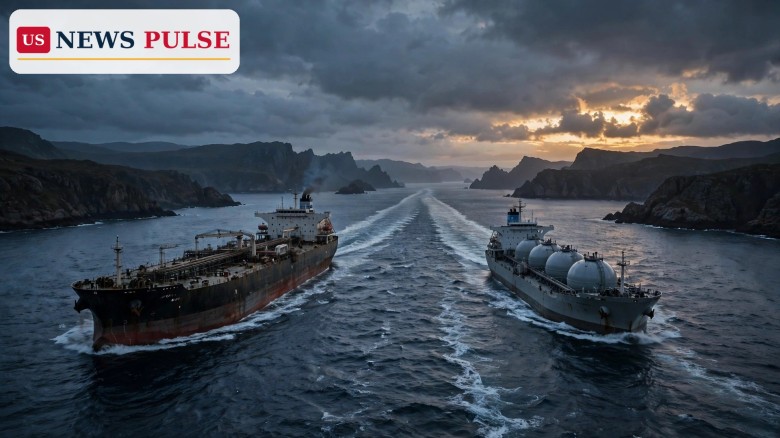
WASHINGTON — The United States is investigating whether Iran was behind dozens of cyberattacks on energy tankers, The Wall Street Journal reported on Monday, in a new cyber front in the tanker war that has already seen ships hit by explosions, mines and drones. As many as 50 vessels carrying oil, liquefied petroleum, chemical products and other explosive substances are believed to have been attacked, the Journal said, citing US officials and others familiar with the matter. Some of the ships also received warnings and bomb threats saying the vessels could be blown up.
Key Points
- The US is investigating Iran's potential involvement in dozens of cyberattacks on energy tankers, The Wall Street Journal reported on Monday.
- As many as 50 ships carrying oil, liquefied petroleum, chemicals and other explosive cargoes are believed to have been attacked.
- Some ships received warnings and bomb threats.
- Iran is a primary suspect, and Russia is also seen as a possible culprit.
- Reuters could not immediately verify the report.
What Happened
The report, published by the Journal on Monday and carried by Reuters on Tuesday, adds a cyber dimension to a tanker war fought so far with explosions, mines and drone strikes. US officials told the Journal that dozens of cyberattacks have targeted energy tankers in recent weeks, and that as many as 50 ships are believed to have been hit. The vessels carried oil, liquefied petroleum gas, chemicals and other explosive substances.
The Journal said some ships also received warnings and bomb threats indicating that the vessels could be blown up. It did not say whether any ship was damaged, what systems were targeted, or how the intrusions were carried out. Iran is the primary suspect, the report said, and Russia is also seen as a possible culprit. Reuters said it could not immediately verify the report.
Background and Context
The cyberattacks, if confirmed, would be the newest turn in a tanker war that has escalated sharply through November. On November 16, four tankers were hit by explosions in the Strait of Hormuz. A day later, the Panama-flagged LPG tanker Tara Gas was struck a second time off Oman, forcing its 25-member crew to abandon ship. One Indian seafarer remains missing.
Three more ships, the Captain Leon, the Torkel and the Arina, were hit on November 20 and 21, taking attacks to their highest level since the war began. Seatrade Maritime counted 17 confirmed shipping incidents this month.
The United States has answered with force. A third American aircraft carrier, the USS Theodore Roosevelt, arrived on November 16, joining a naval presence larger than at the peak of the war with Iran. President Donald Trump has said he is inclined to resume strikes on Iran after the New Year, and US officials say Iran's missile and drone activity has surged to its worst in more than a year.
The cyber angle fits a wider pattern: the Financial Times reported on November 22 that hackers are stepping up attacks on US ports and cargo ships, and the FBI warned on Monday of hackers targeting US water systems.
Iran Cyberattacks on Energy Tankers: A New Front in the Tanker War
A cyberattack on a tanker does not need an explosion to be dangerous. Modern ships are run by networked systems that steer the vessel, manage its engines, track cargo and talk to shore. An intruder who reaches those systems can confuse a ship's position, silence its communications or interfere with the valves that handle volatile cargo.
That is why the bomb threats matter as much as the intrusions. A warning that a ship could be blown up forces a captain to choose: keep sailing, divert, or stop and wait for an escort. The Journal did not say how the attacks were carried out, which systems were hit, or whether any vessel was damaged; the attribution rests on the officials it cited.
Reactions
US officials who spoke to the Journal framed the attacks as evidence that Tehran is widening its campaign, from strikes on shipping in the Gulf to cyber operations that can reach Americans far from the Middle East. The report did not name the officials, and no public statement confirming the attribution was cited.
The caution matters. Reuters said it could not immediately verify the report, and the question of who carried out the attacks, Iran, Russia, or another actor, remains open. Attribution in cyber operations is slow and uncertain, and governments rarely publish the evidence behind their suspicions.
Why It Matters
The Strait of Hormuz carries a large share of the world's seaborne oil, and every new threat to it moves prices and insurance rates. A cyber campaign adds a risk that mines and missiles do not: it can reach a ship anywhere, not just in the Gulf, and it can be denied or blamed on someone else. That ambiguity makes it harder for the United States and its allies to respond, and easier for an attacker to keep going.
It also matters because the cargoes are dangerous. A ship carrying liquefied petroleum or chemicals is a floating store of explosive material, and a crew that loses control of its systems faces a different kind of danger from a crew dodging a drone. If the campaign continues, pressure will grow on Washington to answer it.
What Happens Next
The first question is whether US investigators can confirm the attribution and say publicly who was behind the attacks. A confirmed finding would put pressure on Washington to respond, with sanctions, a public naming, or a military signal.
Shippers will be watching insurance rates, naval escort arrangements and any new guidance from the US Navy and the Coast Guard. The tanker war has already changed how oil moves through the Gulf.
Frequently Asked Questions
How many ships were attacked? The Wall Street Journal reported that as many as 50 ships are believed to have been attacked, citing US officials. The report did not name the vessels.
Who is suspected? Iran is a primary suspect, the Journal said, and Russia is also seen as a possible culprit. Reuters could not immediately verify the report, and no public evidence has been released.
Were the ships damaged? The report did not say whether any ship was damaged or which systems were targeted. Some ships received warnings and bomb threats saying the vessels could be blown up.
How does this relate to the physical tanker attacks? It is a new cyber dimension of the same campaign: four tankers were hit in the Strait of Hormuz, the Tara Gas was struck again off Oman, and three more ships were hit days later.
What should crews and shippers do? Operators are urged to report threats and suspicious activity, follow naval guidance, and review the cyber defences of their ships' navigation and cargo systems.
For more, see our report on the second strike on the LPG tanker Tara Gas off Oman, the four tankers hit by explosions in the Strait of Hormuz, and the US ports under cyber siege as hackers launch thousands of attacks a day.

The US News Pulse newsroom covers breaking news across the United States and the world, working from wire services, official statements and on-the-record sources. Every story is reviewed against our editorial standards before publication. Corrections and tips: info@usnewspulse.com
About our newsroomLeave a Comment