

 | Today's Date:



FBI Warns Hackers Are Targeting US Water Supply Systems, Attacks Hit Seven States - US News Pulse
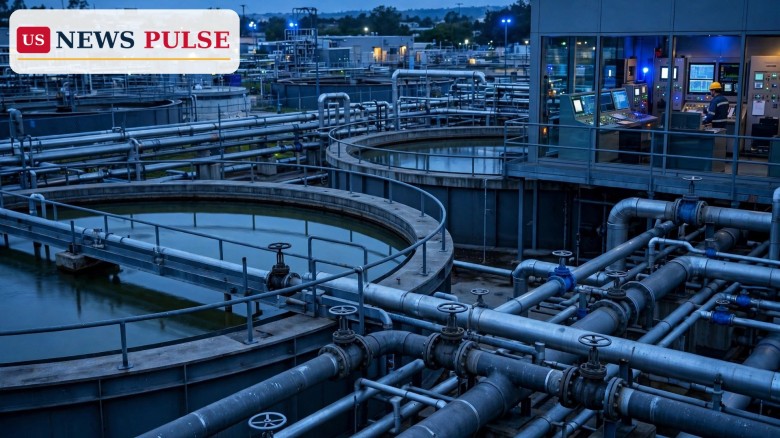
WASHINGTON — The FBI has warned that hackers are increasingly targeting America's water and wastewater systems, with attacks already spreading to at least seven states and causing pressure loss and flooding. The warning, first reported by NewsNation and carried by WBZ NewsRadio on Monday, says malicious actors are going after the internet-connected industrial controls that run treatment plants and pumping stations — the equipment that keeps drinking water flowing to homes, hospitals and schools.
Key Points
- The FBI has warned of increasing cyber threats to US water and wastewater systems, with attacks reported in at least seven states.
- Hackers are targeting programmable logic controllers (PLCs), the industrial devices that run pumps, valves and treatment processes.
- In some cases the attacks caused pressure loss and flooding, and intruders locked operators out of their own equipment by changing passwords and IP addresses.
- The FBI and the Environmental Protection Agency urged operators to disconnect PLCs from the public internet, patch promptly, use strong unique passwords and keep manual operation possible.
- The Cybersecurity and Infrastructure Security Agency says attacks on PLCs have escalated significantly, while a Pew report warns many smaller utilities run ageing technology on thin budgets.
What Happened
The FBI alert describes a threat that has moved from hypothetical to active. Malicious cyber actors have already caused operational disruptions by targeting the programmable logic controllers used by water and wastewater systems, according to the report first published by NewsNation on Monday, November 23. The Cybersecurity and Infrastructure Security Agency (CISA) has observed a significant escalation in attacks on those controllers and is urging water utilities to remove publicly exposed devices from the internet.
The scale is what makes this warning different. The FBI says attacks have spread to at least seven states, with incidents causing pressure loss and flooding in some cases. In at least some intrusions, hackers locked operators out of their own devices by modifying passwords and changing IP addresses. The alert does not name the states affected or attribute the attacks to any particular group
Background and Context
America's drinking water is delivered by a sprawling patchwork of utilities, and that fragmentation is part of the problem. A recent report from The Pew Charitable Trusts found many drinking water and wastewater systems operate with ageing technology, limited budgets and staffing shortages, which hinder cybersecurity efforts. Smaller systems, the report noted, struggle to keep pace with evolving threats.
The risk is not new, but the tempo is. In February 2021, an intruder at a water treatment plant in Oldsmar, Florida, briefly raised the level of sodium hydroxide in the water before an operator noticed and reversed the change. In November 2023, Iranian-linked hackers targeted Israeli-made Unitronics controllers at US water utilities, including one in Aliquippa, Pennsylvania, forcing a small authority to switch to manual operation. Both cases exposed the same weakness the FBI now warns about: controls reachable from the internet, protected by little more than a password.
FBI Water Supply Warning: How Hackers Are Getting In
The way in is usually unglamorous. Programmable logic controllers are rugged industrial computers that open valves, start pumps and dose chemicals. Many were installed years ago, when they were never meant to be reachable from outside the plant, and were later connected to the internet so operators could monitor them remotely. Once exposed, an attacker with a weak or stolen password can issue commands as if standing in the control room.
That is what makes the lockout tactic in the FBI alert so disruptive. By changing a device's password and IP address, intruders do not just take control — they shut the legitimate operators out, cutting off the remote view of the plant when it is needed most. The FBI and the EPA advised operators to monitor industrial control systems closely, apply security updates promptly, disconnect PLCs from the public internet and use strong, unique passwords, while keeping manual operation possible with business-continuity and disaster-recovery plans in place.
Reactions
The FBI and the EPA framed the alert as a call to act now rather than after a worse incident, urging operators to treat exposed controllers as an emergency to fix. CISA has taken the same line, pressing water utilities to pull publicly exposed devices off the internet and warning that the escalation in attacks on PLCs shows no sign of slowing.
The Pew report added a longer-term concern: the systems most at risk are often the least able to defend themselves. Smaller utilities face the same adversaries as large cities with a fraction of the money and staff.
Why It Matters
Water is the most unforgiving piece of critical infrastructure to lose. A power cut is visible and usually brief; a water failure can leave a town unable to drink, cook, wash or flush, and can shut down hospitals, schools and firefighting at the same time. Pressure loss is not just an inconvenience: when pressure drops, contaminated groundwater can seep into pipes, which is why utilities issue boil-water notices after such events.
The warning also matters because of who runs the systems. Most Americans get their water from small or mid-sized utilities, many operating with ageing equipment and short staffing. An attack a large city utility would absorb with a security team and a backup control room can overwhelm a small authority entirely
What Happens Next
The immediate test is whether utilities act on the guidance before the next intrusion: disconnect exposed controllers, apply patches, strengthen passwords and confirm manual operation works. CISA is expected to keep pressing the same message
For households, the advice is practical rather than alarming: keep some bottled water on hand and follow local advisories. The alert reported no contamination of drinking water. The longer question is funding: until smaller systems can afford to secure ageing controls, warnings like this one are likely to keep coming.
Frequently Asked Questions
Which states have been hit by the water system attacks? The FBI alert does not name them. It says attacks have spread to at least seven states, with pressure loss and flooding in some cases.
What is a PLC? A programmable logic controller is an industrial computer that runs physical equipment — in water systems, the pumps, valves and treatment processes that move and clean drinking water. Many are now reachable over the internet so operators can monitor them remotely.
Is my tap water safe? The alert reports no contamination of drinking water. The disruptions described are pressure loss and flooding. If a local incident occurs, utilities and local authorities issue boil-water advisories and instructions to follow.
What should water utilities do? The FBI and the EPA advise disconnecting PLCs from the public internet, applying security updates promptly, using strong unique passwords, adding multifactor authentication, running vulnerability assessments and keeping manual-operation and recovery plans ready.
What should households do? Keep an emergency supply of bottled water, monitor instructions from local authorities, and be ready to follow a boil-water advisory if one is issued for your area.
For more, see our report on US ports under cyber siege as hackers launch thousands of attacks a day, the FBI investigation into the suspected hack of its NCIC crime database, and the finding that wildfire drinking-water contamination can linger for a decade.

The US News Pulse newsroom covers breaking news across the United States and the world, working from wire services, official statements and on-the-record sources. Every story is reviewed against our editorial standards before publication. Corrections and tips: info@usnewspulse.com
About our newsroomLeave a Comment