

 | Today's Date:




FDA Recalls Ibuprofen 800 mg Tablets Nationwide Over Aluminum Particles
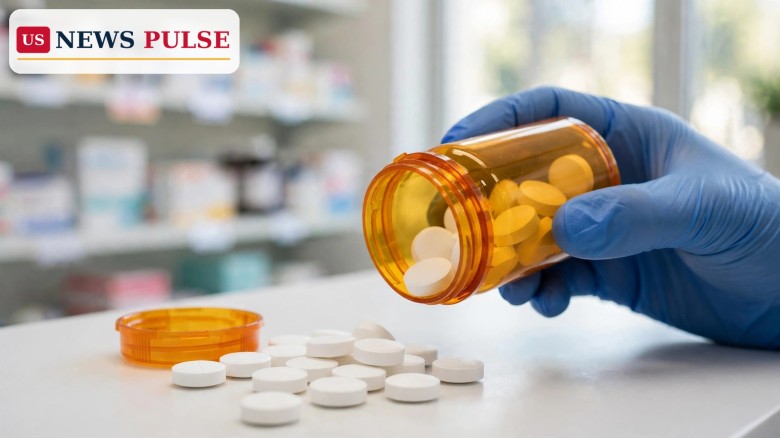
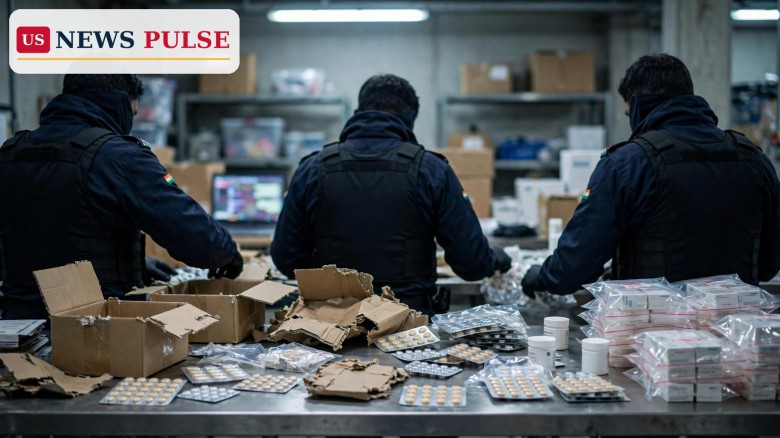
The U.S. Food and Drug Administration has announced a nationwide recall of one lot of prescription ibuprofen 800 mg tablets after tiny aluminum particles were found on the tablets. Golden State Medical Supply of Camarillo, California, voluntarily recalled the lot, and the FDA published the announcement on Tuesday, November 24, 2026. The recall covers Lot GS069303, sold in 500-tablet bottles expiring in January 2030, and the tablets went to distributor McKesson. No adverse events have been reported, and the FDA says the chance of harm is remote, but patients should stop taking the tablets and speak to a pharmacist or doctor.
Key Points
- One lot of Ibuprofen 800 mg Tablets — Lot GS069303, NDC 51407-841-05, expiry 01/2030 — recalled nationwide over aluminum particles of 0.01 to 0.10 mm.
- Golden State Medical Supply of Camarillo, California, issued the voluntary recall; the FDA published it on Tuesday, November 24, 2026.
- The tablets may cause minor irritation or abrasion of the stomach or intestinal linings, but the FDA says the likelihood of harm is remote.
- No adverse events have been reported in connection with the recalled lot.
- The lot went to distributor McKesson, told to stop distribution, quarantine remaining stock and return it; patients should stop using the tablets and return them to a pharmacy.
What Happened
Golden State Medical Supply announced the voluntary recall on Monday, November 23, 2026, and the FDA published its notice the next day. The recall covers a single lot of Ibuprofen 800 mg Tablets, identified by National Drug Code 51407-841-05 and Lot GS069303, packed in bottles of 500 tablets expiring in January 2030. The problem is aluminum particulate contamination on the tablet surfaces: tiny metal particles, between 0.01 and 0.10 millimetres across, were found on the tablets — small enough to be hard to spot, yet the FDA says swallowing them may irritate or abrade the stomach or intestinal linings.
The lot was sold to McKesson, which has been told to stop distributing the product, quarantine remaining stock and return it. The FDA advises consumers to stop using the affected lot, contact a physician or pharmacist, and return unused pills to the pharmacy. No adverse-event reports have been received, but every bottle from the lot is affected.
Background: A Prescription-Strength Painkiller
Ibuprofen is one of the most widely used painkillers in the world, but the 800 mg tablet is a different product from the 200 mg tablets sold over the counter. At 800 mg it is prescription-only, given at a higher dose for conditions such as arthritis, severe musculoskeletal pain and other inflammatory disorders, where a doctor judges it needed. Patients on this strength often take it regularly, sometimes for weeks or months, which is why a quality problem in even one lot draws a nationwide response.
Such recalls usually start with a manufacturing finding, not patients falling ill. A fault on the production line — a worn part, a contaminated ingredient, a handling error — can leave tiny fragments in the finished product. This is the second nationwide ibuprofen recall in the United States this year: in March, 89,592 bottles of children's ibuprofen oral suspension were recalled after a gel-like mass and black particles were found in the liquid.
Ibuprofen 800 mg Recall: What Patients Need to Check
The first thing to check is the lot number. The recall covers only Lot GS069303 of Ibuprofen 800 mg Tablets, NDC 51407-841-05, in 500-tablet bottles expiring in January 2030. Tablets from any other lot are not part of this recall, and neither are over-the-counter ibuprofen products or other strengths of the prescription tablet.
Patients with the affected lot should not simply stop their pain treatment without a plan. The FDA says to contact a physician or pharmacist, who can advise on an alternative: another lot, a different strength, or a different painkiller. Unused tablets from the recalled lot should be returned to the pharmacy, not thrown away in household rubbish. Anyone who has already taken tablets from the lot and feels unwell should seek medical advice.
Reactions
The FDA's announcement is measured: it sets out the lot details, the size of the particles and the possible effects, and describes the likelihood of harm as remote. The agency's guidance is practical rather than alarming — stop using the lot, talk to a doctor or pharmacist, and return the pills.
Golden State Medical Supply moved first, issuing the voluntary recall before the FDA published its notice — the usual pattern, with the company identifying the problem and notifying the regulator. McKesson has been instructed to halt distribution and quarantine and return its remaining stock, so no further bottles reach pharmacies.
Why It Matters
The recall matters because of who takes this medicine. Ibuprofen 800 mg is prescribed to people in real pain — arthritis patients, people recovering from injury, and others who rely on the higher dose to get through the day. For them, a recall means a trip back to the pharmacy, a call to the doctor, and a gap in treatment while a replacement is arranged. The disruption is real, and it falls on patients who are already unwell.
It also matters as a test of the drug-safety system. A single lot caught by quality checks and pulled nationwide within days is the system working as designed — but it is the second ibuprofen recall this year, and each one chips away at confidence in everyday medicines. The FDA must now show the problem is contained to this lot.
What Happens Next
McKesson will quarantine and return its stock, and pharmacies will pull the lot from their shelves. The FDA will keep watching for adverse-event reports linked to Lot GS069303 and update its advice if any emerge. Patients returning tablets should ask about a replacement; anyone who took tablets from the lot should watch for stomach pain and seek advice if it appears. If other lots are found affected, the recall will widen — but for now, it covers one lot only.
Frequently Asked Questions
Which ibuprofen is being recalled? One lot of prescription Ibuprofen 800 mg Tablets — Lot GS069303, NDC 51407-841-05, 500-tablet bottles expiring January 2030 — from Golden State Medical Supply of Camarillo, California.
Why is it being recalled? Aluminum particles of 0.01 to 0.10 mm were found on the tablet surfaces. They may cause minor irritation or abrasion of the stomach or intestinal linings.
Has anyone been harmed? No adverse-event reports have been received for this lot, and the FDA says the likelihood of adverse events is remote.
What should I do if I have the recalled tablets? Stop using them, contact your physician or pharmacist for advice on an alternative, and return unused pills to the pharmacy.
Is this the first ibuprofen recall this year? No. In March 2026, 89,592 bottles of children's ibuprofen oral suspension were recalled nationwide over a gel-like mass and black particles.
Related coverage: Carbon Monoxide Detectors Recalled: 210,410 Zenara Units Fail to Warn of Gas; FDA Recalls 51,762 Toothpaste and Mouthwash Units After Hormones Found; Semaglutide Recall: Texas Pharmacy Pulls GLP-1 Injections Nationwide.

The US News Pulse newsroom covers breaking news across the United States and the world, working from wire services, official statements and on-the-record sources. Every story is reviewed against our editorial standards before publication. Corrections and tips: info@usnewspulse.com
About our newsroomLeave a Comment