

 | Today's Date:





Neuralink Wins FDA Approval for First Pivotal Brain-Implant Trial in ALS Patients
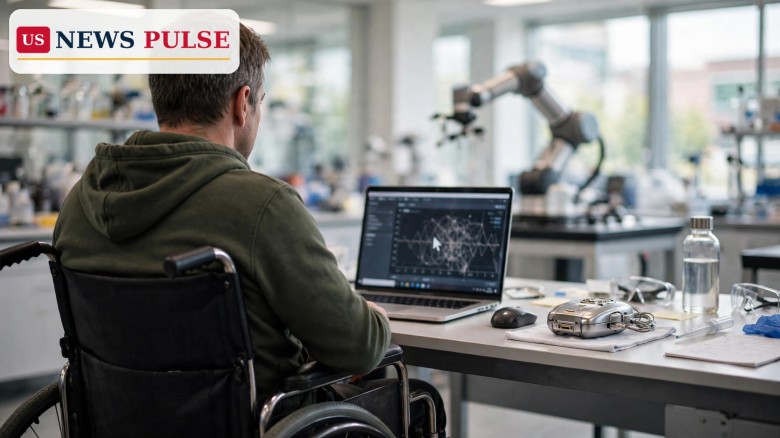
Neuralink has won FDA approval to launch LINK, the first pivotal clinical trial of an implantable brain-computer interface in the United States, the company announced on Wednesday, November 25, 2026. The Neuralink FDA approval clears the way for a large, controlled study in adults living with severe paralysis caused by amyotrophic lateral sclerosis, known as ALS or Lou Gehrig's disease, and enrolment is now open. The decision moves the company's N1 brain implant from small early feasibility studies into the kind of trial regulators require before a medical device can be sold commercially.
Key Points
- The FDA has cleared Neuralink to launch LINK, the first pivotal clinical trial of an implantable brain-computer interface in the United States.
- The trial will enrol adults with severe paralysis caused by ALS, and enrolment is now open.
- The N1 implant is placed in the skull, with the R1 surgical robot inserting flexible electrodes into the brain.
- The study will track safety and effectiveness over about 24 months, focusing on cursor control, communication and independence in daily life.
- The approval covers the trial only: the device remains investigational, and Neuralink is aiming for full FDA marketing authorisation in 2029.
What Happened
Neuralink announced on Wednesday, November 25, 2026, that the US Food and Drug Administration had approved the launch of LINK, its pivotal study of the N1 brain-computer interface. A pivotal trial is the decisive stage of clinical testing: unlike the small early feasibility studies that came before it, it is designed to produce the safety and effectiveness evidence the FDA needs to decide whether a device can be marketed.
The study will follow participants for about 24 months, measuring cursor control, communication and independence. The approval is deliberately narrow: it authorises the trial, not the sale of the device. The N1 implant remains investigational, and Neuralink said it is aiming for final FDA marketing authorisation in 2029, which means the LINK results will decide when, or whether, the device reaches the wider market.
Background and Context
LINK builds on several years of smaller studies. Neuralink has run early feasibility studies in the United States, Canada and the United Kingdom, where more than 30 participants have received the implant, contributing thousands of hours of real-world use. Those studies showed the implant could be placed safely and used to operate digital devices.
The technology has two parts. The N1 implant is a small device surgically placed in the skull, where it sits just above the brain. The R1 robot then inserts dozens of hair-thin, flexible electrodes into the brain, where they pick up the electrical signals of intended movement or speech. Software turns those signals into commands, letting a patient move a cursor or communicate by thought.
ALS is the trial's first target because of what the disease takes away. It attacks the motor neurons that carry instructions from the brain to the muscles, and as those neurons die, patients lose the ability to walk, use their hands, and eventually to speak. For people in the later stages of the disease, the ability to control a computer by thought can mean the difference between communicating with family and carers or being locked in silence. Brain-computer interfaces have been studied in academic laboratories for decades, but very few have reached pivotal trials.
Neuralink FDA Approval: What the Decision Means
The approval moves Neuralink from an experimental research programme to a developer running a registration-grade trial. In a pivotal trial, the questions are stricter and the evidence is held to a higher standard, because the results support a decision about selling the device across the country.
The scope of the approval matters as much as its existence. By clearing the trial while keeping the device investigational, the FDA is allowing Neuralink to gather evidence under close supervision without endorsing the implant as a treatment. Nobody can buy the device, and nobody outside the study can be implanted with it, until the trial data have been collected, analysed and reviewed.
Reactions and Quotes
The most powerful reaction so far has come from inside the trial itself. Bradford Smith, Neuralink's first ALS participant, has already communicated using brain signals alone, saying the device gave him "freedom, hope, and faster communication". For a patient losing the ability to speak, they describe regaining the ability to say what he thinks.
Neuralink has framed the approval as the start of the path to a marketed product, with final FDA marketing authorisation as its stated aim for 2029. For the wider ALS community, the reaction will be measured in enrolment.
Why It Matters
This matters because ALS leaves people trapped in bodies that no longer obey them. When speech and movement fail, a device that restores communication by reading thought directly would change daily life fundamentally. LINK is the first pivotal test of whether an implanted interface can deliver that reliably and safely at scale.
It also matters as a regulatory landmark. The FDA's decision signals that the technology has matured enough to be judged on clinical evidence rather than on theory. The standards the FDA applies to LINK will shape the path for the entire field.
What Happens Next
Enrolment is now open, and Neuralink will begin recruiting adults with severe paralysis caused by ALS for the LINK study. Participants will receive the N1 implant and be followed for about 24 months, with researchers tracking cursor control, communication, independence and safety.
The decisive moment will come when the trial data are complete and submitted to the FDA. If the evidence shows the implant is safe and effective, Neuralink will seek marketing authorisation, which it aims to secure in 2029. Until then, the device stays investigational.
Frequently Asked Questions
What is the LINK trial?
LINK is Neuralink's pivotal trial of the N1 brain-computer interface, the first pivotal trial of an implantable interface in the United States, testing its safety and effectiveness in adults with severe paralysis caused by ALS.
Who can enrol in the Neuralink trial?
The trial is enrolling adults with severe paralysis caused by ALS, also known as Lou Gehrig's disease, with about 24 months of follow-up.
Does FDA approval mean the Neuralink implant is for sale?
No. The approval covers the trial only, and the N1 implant remains investigational. Neuralink aims for final FDA marketing authorisation in 2029.
How does the Neuralink implant work?
The N1 implant is placed in the skull, and the R1 robot inserts flexible electrodes into the brain. Software translates the brain signals into commands that let a patient control a computer cursor and communicate by thought.
Has anyone with ALS already used the implant?
Yes. Bradford Smith, Neuralink's first ALS participant, has communicated using brain signals alone. He said the device gave him "freedom, hope, and faster communication".
Read more technology coverage from US News Pulse: College Board Cyberattack Exposes SAT Students' Data and Freezes Financial Aid, OpenAI Countersues Apple Over Trade Secrets and Supplier Pressure in AI Device Fight, and Google Wants More SpaceX Computing Capacity as AI Demand Surges, Musk Says.

The US News Pulse newsroom covers breaking news across the United States and the world, working from wire services, official statements and on-the-record sources. Every story is reviewed against our editorial standards before publication. Corrections and tips: info@usnewspulse.com
About our newsroomLeave a Comment