

 | Today's Date:




Iran Used Musk's Starlink to Run Drone Attacks on US Forces, Report Says
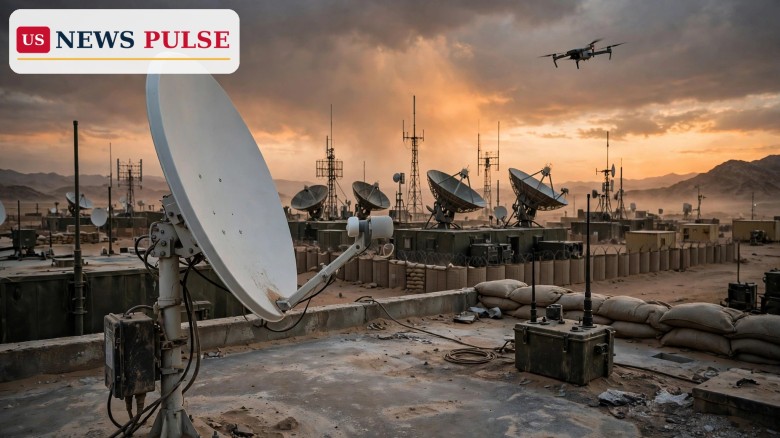
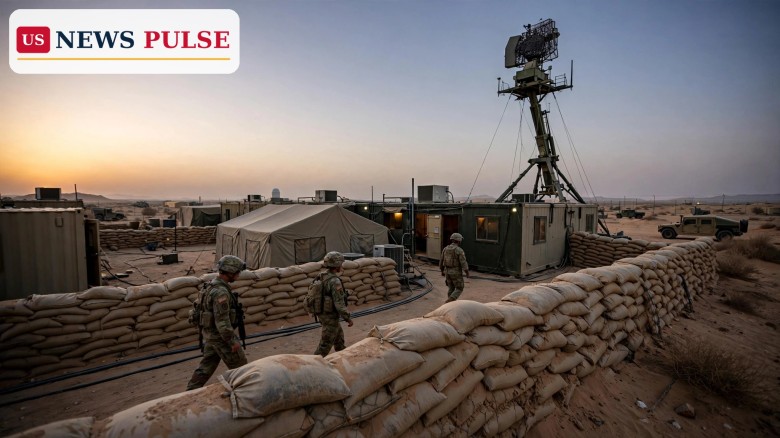
Iran used SpaceX's Starlink satellite internet service to support military operations against United States forces in the opening days of the war, the Washington Post reported on Saturday, November 28, 2026. The Iran Starlink revelation, based on a classified Pentagon update and four people familiar with the operations, says Tehran turned to the commercial network after American strikes knocked out its traditional communications, using it for command and control and to oversee drone attacks.
Key Points
- The Washington Post reported on November 28, 2026 that Iran used Starlink in military operations against US forces in the opening days of the war.
- The use was detected in early March and described in a classified war update to Defense Secretary Pete Hegseth, citing four people familiar with the operations.
- Starlink gave Tehran an alternative network after US forces targeted its traditional systems, and Iran used it for command and control and to oversee attack drone operations.
- The Post did not establish that Starlink was used in the March 1 drone strike that killed six US service members at Port Shuaiba in Kuwait.
- SpaceX chief executive Elon Musk was enraged on learning of the unauthorised uses in March, and SpaceX then tightened Starlink sales restrictions and paused its Indirect Reseller Program.
What Happened
The war began in late February 2026, when the United States and Israel began striking Iran. According to the Washington Post, Iran's use of Starlink was detected in early March, within days of the opening attacks, and was later described in a classified war update delivered to Defense Secretary Pete Hegseth over the summer. The Post cited four people familiar with the operations, who said the service gave Tehran a backup network as its own systems came under attack.
That timing matters. In the first days of a war, communications are often the first target, and American forces had struck Iran's traditional command systems. Starlink can deliver internet to a small dish almost anywhere on Earth. For a military whose own networks were being hit, it offered a ready-made alternative that was already in orbit and already working.
The report says Iran used it for command and control and to oversee attack drone operations, and drones have been central to this war: Iran has fired thousands of one-way attack drones at American and allied targets across the Middle East. The Post was careful about what it could not prove. An Iranian drone strike killed six US service members at the Port Shuaiba military facility in Kuwait on March 1, but the newspaper did not establish that Starlink was used in that attack. The Pentagon has not made its investigation findings public. A Pentagon spokesperson said the department was "not aware of the existence" of the report, a response that neither confirmed nor denied the underlying claims.
Background and Context
Starlink was never licensed to operate in Iran. Yet Elon Musk has said the service is active there, and the network has a complicated history in the country. After deadly nationwide protests in Iran in January, the United States government smuggled thousands of Starlink terminals into the country, according to the Wall Street Journal, so Iranians could get online during the government internet shutdown. The same terminals that helped protesters stay connected could, in other hands, help a military stay connected too.
That is the dual-use problem at the heart of this story. Starlink was built as a commercial internet service, but it has become a piece of military infrastructure. In Ukraine, the service has been vital to Kyiv's forces, and its military-grade sibling, Starshield, is a government network. In this war, American forces have used Starshield themselves.
Iran Starlink Attacks: What the Report Found
The central finding is simple: a commercial satellite network built by an American company was used by an adversary to attack American forces. The Post's sources said the use was detected in early March and documented in a classified update to Hegseth over the summer. What is not yet public is how much the Pentagon knew, when it knew it, and what it did about it.
The report also raises the question of how Iran got the terminals. Starlink is not licensed in Iran, and SpaceX says it does not sell there. But terminals are small, portable and easy to smuggle, and thousands were already being moved into the country for civilian use. Once switched on, a terminal connects to the constellation overhead, and the network does not ask who holds the dish. SpaceX can disable terminals it identifies, but identifying them, especially in a war zone, is a different problem.
Reactions and Quotes
The official reactions so far have been cautious. A Pentagon spokesperson said the department was "not aware of the existence" of the report. SpaceX and the Defense Department did not immediately respond to Reuters' requests for comment. Musk has not commented publicly on the Washington Post's findings, and neither has the White House.
Why It Matters
This matters because it shows how the character of war has changed. A network built to sell broadband is now a weapon of war, and its owner is caught between customers, government contracts and adversaries. The Pentagon depends on SpaceX for launches, for communications and for the Starshield network itself.
What Happens Next
The first question is whether the Pentagon will confirm the report and say what it has done since the summer, when Hegseth received the classified update. Congress is likely to ask. Democrats, who take control of both chambers in January, have already ordered Musk to preserve Starlink and Starshield records, and the Iran findings give them a new line of inquiry. SpaceX will face pressure to explain how it polices its network and whether its tightened sales controls are enough.
Frequently Asked Questions
Did Iran use Starlink to attack US forces?
According to the Washington Post, Iran used SpaceX's Starlink service to support military operations against US forces in the opening days of the war, for command and control and to oversee attack drone operations. The use was detected in early March 2026 and described in a classified update to Defense Secretary Pete Hegseth.
Was Starlink used in the Port Shuaiba attack that killed six US soldiers?
The Post did not establish that, and the Pentagon has not made its investigation findings public.
How did Iran get Starlink terminals if the service is not licensed there?
Starlink is not licensed to operate in Iran, but the US government smuggled thousands of terminals into the country after nationwide protests in January, and terminals are small and portable. SpaceX tightened sales restrictions and paused its Indirect Reseller Program after learning of the misuse.
What did Elon Musk do when he found out?
The Post reported Musk was enraged on learning in March of two unauthorised uses of Starlink tied to Iran's efforts against US forces. SpaceX then tightened sales restrictions and paused its reseller programme.
Read more world coverage from US News Pulse: Port Shuaiba Whistleblower: Pentagon Ignored Warnings Before Six Soldiers Died, Zelenskyy Urges US and Musk to Lift Starshield Curbs as Drones Lose Link at 161 km/h, and Senate Democrats Order Musk to Preserve Starlink and Starshield Records on Ukraine.

The US News Pulse newsroom covers breaking news across the United States and the world, working from wire services, official statements and on-the-record sources. Every story is reviewed against our editorial standards before publication. Corrections and tips: info@usnewspulse.com
About our newsroomLeave a Comment