

 | Today's Date:


Missouri ICE Partnerships Reach 139 Agencies, Third Most in the Nation
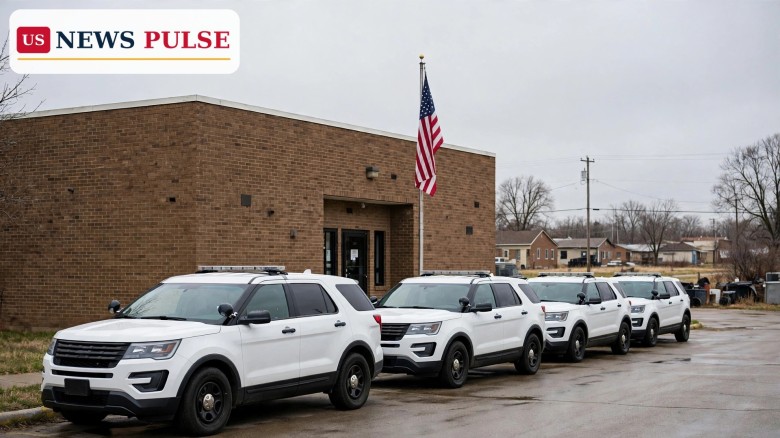
Missouri ICE partnerships now number 139 law-enforcement agencies, making the state the third-biggest partner in the federal government's fast-growing programme to deputise local officers for immigration enforcement, a new report from FWD.us has found. The count, taken as of 1 October 2026, puts Missouri behind only Texas, with 337 agencies, and Florida, with 279. More than 1,700 Missouri officers now carry federal immigration authority, and at least one in four immigration arrests in Missouri in July involved officers working under the programme, the 287(g) Task Force Model.
Key Points
- 139 Missouri agencies partner with ICE under the 287(g) Task Force Model as of 1 October 2026, the third-highest total in the US.
- More than 1,700 Missouri officers have been deputised to enforce immigration law.
- At least one in four immigration arrests in Missouri in July involved 287(g) officers.
- Missouri agencies could qualify for up to $60 million in federal payments through fiscal year 2026; spending is largely unreported.
- Nationwide, 1,850-plus agencies in 30 states and two territories take part, covering 136 million people, with 26,000 to 33,000 officers deputised.
What Happened
FWD.us, a bipartisan immigration advocacy organisation, published the report in late November 2026 after counting the agencies signed up to the 287(g) Task Force Model. Its tally for Missouri stood at 139 agencies as of 1 October 2026, third in the country behind Texas with 337 and Florida with 279. More than 1,700 officers in Missouri have been deputised under the programme.
The report also measured how much of the state's immigration enforcement now runs through local officers: at least one in four immigration arrests in Missouri in July involved 287(g) officers. Money is a large part of the story: Missouri agencies could qualify for up to $60 million in federal payments through fiscal year 2026, but how that money has been spent remains largely unreported, as most agencies have resisted sharing information.
Background: How the 287(g) Task Force Model Works
The programme takes its name from section 287(g) of the Immigration and Nationality Act, which lets Homeland Security delegate some immigration enforcement powers to state and local officers. Under the Task Force Model, designated officers can carry out some immigration enforcement duties during routine police work, rather than only inside jails. The model was revived on 20 January 2025, and its use has expanded sharply since.
An earlier FWD.us analysis, published in late October 2026, found the deputised 287(g) force had roughly doubled in eight months to more than 29,000 officers, against about 11,600 in ICE's own deportation force, with more than 47,000 arrests through early August 2026. The new report puts the national totals at more than 1,850 agencies in 30 states and two US territories, covering at least 136 million people, with 26,000 to 33,000 officers deputised and at least $2 billion in funding eligibility through fiscal year 2026.
Missouri ICE Partnerships: What the Numbers Show
Missouri's 139 agencies are roughly one in thirteen of the more than 1,850 participating agencies nationwide, and its 1,700-plus deputised officers are a sizeable slice of the 26,000 to 33,000 officers deputised across the country. The $60 million Missouri agencies could qualify for is a small part of the $2 billion in funding eligibility nationwide, but it is still a significant sum for local law-enforcement budgets.
The arrest figures show the programme is not just paperwork: with at least a quarter of Missouri's immigration arrests in July involving 287(g) officers, the deputised force does a substantial part of the state's immigration enforcement. The concentration also matters: Missouri's third-place ranking puts it ahead of every other state, so how the programme works there will be watched closely elsewhere.
Reactions: Supporters Point to Enforcement, Critics to Transparency
The Department of Homeland Security has defended the 287(g) programme as an important tool for immigration enforcement, arguing that local partnerships extend the reach of federal officers. Administration officials have presented the rapid growth of the Task Force Model since January 2025 as a deliberate policy choice, and it is one of the most visible parts of the administration's immigration strategy.
FWD.us, which compiled the report, has raised concerns about transparency. Its finding that most Missouri agencies have resisted sharing information about federal payments is central to the report, The politics are shifting, too: voters in several counties ousted sheriffs who had signed 287(g) agreements in the 3 November midterms, according to an Associated Press analysis, and on 23 November the Fourth Circuit ruled Virginia can limit local 287(g) agreements.
Why It Matters
The Missouri figures show how much of American immigration enforcement now runs through local police. When 139 agencies in a single state carry federal immigration authority, and a quarter of the state's immigration arrests involve their officers, the boundary between local policing and federal enforcement has effectively disappeared in much of Missouri. That changes everyday contact between police and immigrant communities.
Money matters, too. Up to $60 million in federal payments is a powerful incentive for local agencies, and the report's finding that spending is largely unreported raises a basic accountability question. Politically, Missouri is now one of the three states where the programme is most deeply embedded, alongside Texas and Florida, and how it works there will shape the debate elsewhere.
What Happens Next
The funding question is the most immediate one to watch. Missouri agencies can qualify for up to $60 million through fiscal year 2026, and the report's transparency findings are likely to fuel calls for agencies to disclose how the money is spent, voluntarily or through public-records requests.
The legal landscape is also moving. The Fourth Circuit's 23 November ruling on Virginia's limits gives other states a measure of how far they can go in restricting local 287(g) agreements, and further court challenges are likely as the programme keeps growing. The next FWD.us tally will show whether Missouri's total keeps climbing past 139.
Frequently Asked Questions
What is the 287(g) Task Force Model?
A programme under section 287(g) of the Immigration and Nationality Act that lets Homeland Security deputise state and local officers for some immigration enforcement duties during routine police work, revived on 20 January 2025.
How many Missouri agencies partner with ICE?
139 Missouri law-enforcement agencies as of 1 October 2026, according to FWD.us, the third-highest total in the United States, behind Texas with 337 and Florida with 279.
How many Missouri officers have been deputised?
More than 1,700 Missouri officers have been deputised under the programme. Nationwide, between 26,000 and 33,000 officers have been deputised.
How much federal money could Missouri agencies receive?
Up to $60 million in federal payments through fiscal year 2026. How it has been spent is largely unreported, as most agencies have resisted sharing programme information.
How big is the programme nationwide?
More than 1,850 agencies in 30 states and two territories as of 1 October 2026, covering at least 136 million people, with at least $2 billion in funding eligibility through fiscal year 2026.
Related coverage: Fourth Circuit splits Virginia ICE laws: state can end 287(g) pacts, not mask ban, Sheriffs who signed ICE pacts ousted by voters in midterm elections, AP finds, and Wellman accuses Hegseth of war crimes, vows impeachment probe.

The US News Pulse newsroom covers breaking news across the United States and the world, working from wire services, official statements and on-the-record sources. Every story is reviewed against our editorial standards before publication. Corrections and tips: info@usnewspulse.com
About our newsroomLeave a Comment