
Trump Told Aides Stephen Miller 'Had Gone Too Far' on Deportations, WSJ Reports
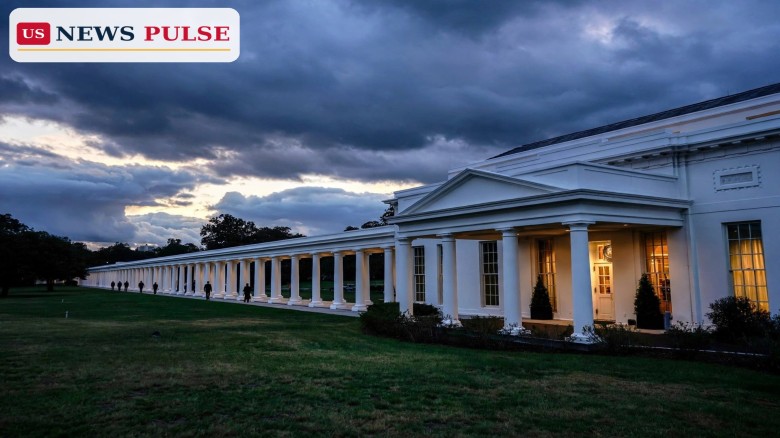
President Donald Trump told aides that Stephen Miller, the White House deputy chief of staff who designed his aggressive immigration crackdown, "had gone too far" on deportations after First Lady Melania Trump complained that people she knew personally were being apprehended and removed from the country, The Wall Street Journal reported on Thursday, November 5, 2026. The account appears in the Journal's reconstruction of how Republicans lost the midterm elections, and the Stephen Miller deportations row now sits at the centre of the party's reckoning over its November 3 defeat, when Democrats swept both chambers of Congress.
Key Points
- The Wall Street Journal's "How Trump Lost the Midterms" reports that after Melania Trump complained people she knew were being deported, Trump told aides Stephen Miller "had gone too far."
- Miller, the White House deputy chief of staff, is the architect of the administration's aggressive immigration enforcement campaign.
- Trump vacillated on immigration all year, at times wanting a bigger crackdown, and earlier in 2026 wanted ICE to focus on "bad guys" rather than broad workplace raids.
- Republicans in Texas and Florida privately warned the White House that intense enforcement risked Hispanic support; on November 3, counties 80 percent or more Hispanic favoured Democrats by 40 points.
- The Journal says enforcement cut illegal border crossings to their lowest in decades, but also brought clashes in US cities, including the shooting deaths of two Americans in Minnesota last winter.
What Happened
The Journal published its reconstruction on Thursday, November 5, two days after Democrats retook the House and Senate. Drawing on interviews with people close to the president, it describes a White House torn for much of the year over immigration enforcement, with Trump swinging between demanding a tougher crackdown and worrying the most visible operations were doing political damage.
According to the Journal, the turning point came when the first lady raised the issue directly. Melania Trump complained that people she knew personally were being apprehended and deported, and Trump then told aides that Miller, his deputy chief of staff and the driving force behind the enforcement campaign, "had gone too far."
The report does not say Melania Trump ordered any formal change in policy, and it does not establish that she did. It describes a private complaint that reached the president and shaped how he spoke about the campaign behind closed doors, while the enforcement operation itself continued.
Background and Context
Stephen Miller has been the central figure in the administration's immigration policy since Trump returned to office in early 2025. As deputy chief of staff, he designed the strategy that made mass deportation the administration's signature domestic policy, with large-scale city operations, expanded workplace enforcement and a sharp rise in arrests.
By the Journal's account, the policy delivered on one aim: illegal border crossings fell to their lowest level in decades. But it also produced confrontations in US cities, including the shooting deaths of two Americans in Minnesota last winter, and became a defining issue of the midterm campaign.
The warning came most pointedly from Texas and Florida, where Republicans complained to the White House about the intensity of enforcement and feared losing Hispanic support. On November 3, counties 80 percent or more Hispanic favoured Democrats by 40 points. Trump offered a simpler explanation for the rout: "The biggest issue is that I wasn't on the ballot." Vice President JD Vance publicly blamed the Iran war.
Stephen Miller Deportations: The Architect Under Scrutiny
Miller's position is the question at the heart of the report. He is the architect of the policy that defined Trump's second term at home, and the president's reported remark that he "had gone too far" is the sharpest sign yet of tension between the two men over how far enforcement should go.
The report does not say Miller faces dismissal or demotion, and it describes no formal change to his role. What it describes is a president who repeatedly second-guessed the operation Miller built, pulling back toward targeted enforcement at one moment and demanding a wider crackdown the next.
Reactions and Quotes
Trump's own words to the Journal framed the defeat in personal terms. "The biggest issue is that I wasn't on the ballot," he said, sidestepping the policy debate his aides have been having about immigration and the Iran war.
Vance offered a different explanation, publicly blaming the Iran war for the Republican defeat. The war, now in its ninth month, has divided the administration's supporters, and neither man has conceded the other's explanation. The first lady's role is described only through the Journal's reporting, which does not quote her.
Why It Matters
The report matters because it shows the immigration debate reaching the president through his own family, not only through polls and party complaints. A first lady's private word carried enough weight to prompt the president to say his top immigration adviser had gone too far.
It also exposes the fault line inside the administration. With Democrats now in control of both chambers, the White House will face hearings and funding fights over an enforcement policy whose own author is now publicly questioned by the president.
What Happens Next
The immediate question is whether the president's private remark leads to any public change. The Journal establishes no formal shift in policy and no change in Miller's role, and the administration has continued to defend its enforcement record. But the Hispanic vote in November gives the Texas and Florida Republicans' warning new force, and whether the party recalibrates enforcement or doubles down will be one of the defining arguments of the next two years.
Frequently Asked Questions
What did President Trump say about Stephen Miller?
According to The Wall Street Journal, after Melania Trump complained that people she knew were being deported, Trump told aides that Miller, his deputy chief of staff, "had gone too far" on deportations.
Did Melania Trump change immigration policy?
No formal change has been established. The Journal reports she complained privately to the president, but it does not say she ordered any change in ICE policy.
Who is Stephen Miller?
Miller is the White House deputy chief of staff and the architect of the administration's aggressive immigration enforcement campaign, including mass deportation operations.
Why did Republicans lose the midterms?
The Journal's reconstruction points to immigration enforcement and its political costs. Trump said "the biggest issue is that I wasn't on the ballot"; Vice President JD Vance blamed the Iran war.
What happened with Hispanic voters?
Counties 80 percent or more Hispanic favoured Democrats by 40 points on November 3, after Texas and Florida Republicans warned intense enforcement risked losing Hispanic support.
Read more: Mullin says US deportations will continue despite Democrats' midterm sweep | Melania Trump hosts Russia and Ukraine at White House, urges 'humanity over war' | Judge blocks Afghan deportation flight to Pakistan, bars removals until Nov. 7
© 2026 US News Pulse. All rights reserved.
 Print
 Save