
Jeffries: House Democrats to Open New Majority With Healthcare Votes and Iran War Bill
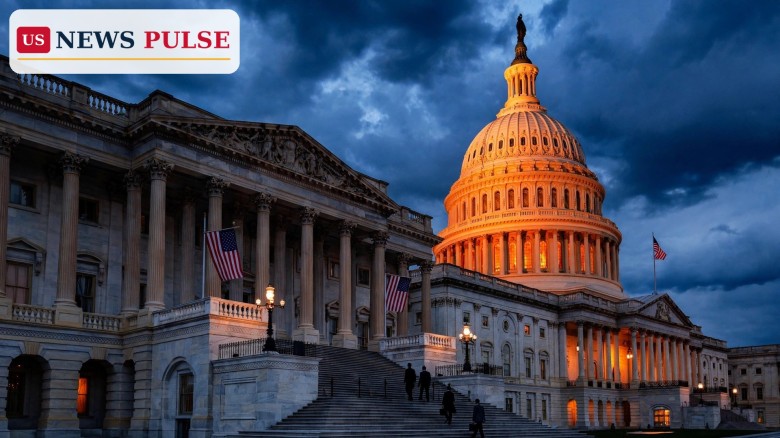
House Democrats will move fast when the new Congress is sworn in on January 3, 2027, opening their new majority with votes to strengthen Medicaid and restore the enhanced Affordable Care Act subsidies that lower health-plan costs for millions of Americans, Democratic leader Hakeem Jeffries said on Saturday, November 7, 2026. The early agenda also includes swift action on legislation to end the war with Iran and to roll back some of President Donald Trump's trade tariffs.
Jeffries, in line to become the next House speaker, made clear the party intends to legislate from its first days in power. "We're going to get out of the gate fast," he said.
Key Points
- Early House votes will focus on boosting Medicaid and restoring the enhanced tax subsidy that lowers Affordable Care Act plan costs for millions, Jeffries said.
- Democrats also promise swift action on legislation to stop the war with Iran and to reverse some of President Donald Trump's trade tariffs.
- Jeffries, in line to become the next House speaker on January 3, 2027, said: "We're going to get out of the gate fast."
- Five working groups are developing bills to lower costs in housing, energy, groceries and caregiving, and Rep. Ted Lieu said Democrats will also take up artificial intelligence.
- Most bills would need 60 Senate votes and could face a veto; Democrats also want to reverse Medicaid cuts of more than $900 billion over a decade.
What Happened
The Associated Press reported on Saturday, November 7, 2026, that House Democratic leaders are placing an early emphasis on health care as they discuss their immediate priorities. The first votes next year are expected to focus on two measures: strengthening Medicaid, the public health programme for low-income Americans, and restoring the enhanced tax subsidy that reduces the cost of Affordable Care Act health plans for millions of enrollees.
Alongside health care, Democrats are promising swift action on legislation to stop the war with Iran, now in its ninth month, and to reverse some of the trade tariffs imposed by President Donald Trump.
Background and Context
Democrats swept both chambers in the midterm elections on Tuesday, November 3, 2026, winning the House with more than 250 seats and taking at least 54 Senate seats. The new Congress will be sworn in on January 3, 2027, when Jeffries is expected to become the first Black speaker of the House.
The scale of the victory gives Democrats room to move legislation through the House, but the Senate's 60-vote threshold and the possibility of a presidential veto mean most of the agenda will need Republican support. Health care was the centrepiece of the campaign: Democrats want to reverse Medicaid changes expected to cut more than $900 billion over a decade, and to restore the Affordable Care Act subsidies that expired in 2025.
House Democrats Agenda: Health Care First, Then Iran and Tariffs
The opening health votes are designed to draw a sharp contrast with the outgoing Republican majority. Boosting Medicaid would restore funding and protections that Democrats say were stripped from the programme, while restoring the enhanced Affordable Care Act subsidy would directly lower monthly premiums for millions of households.
The Iran legislation would go further than the war-powers resolutions Congress has already debated. Democrats say they want a bill that ends the war itself, and they point to 14 war-powers votes in the Senate and six in the House as evidence that support for ending the conflict is growing in both parties. The tariff measures would reverse some of the duties imposed by President Trump, which Democrats blame for higher prices on groceries and everyday goods.
Reactions and Statements
Jeffries' message was one of speed. "We're going to get out of the gate fast," he said, signalling that the party does not intend to waste its first weeks on ceremony. The remark echoed the urgency Democrats have shown since the election.
Rep. Ted Lieu added a forward-looking note, saying Democrats will at some point take up legislation on artificial intelligence and data centres, as the technology's energy demands have become a public concern. The obstacles are real: most bills would need 60 votes in the Senate, where Democrats hold at least 54 seats, and any measure that reaches the president's desk could face a veto.
Why It Matters
Health care touches nearly every American household, and the two opening votes would reach millions of people directly. Restoring the enhanced Affordable Care Act subsidy would lower premiums for people who buy coverage on the exchanges, while boosting Medicaid would protect a programme that covers tens of millions of low-income Americans, children and people with disabilities.
The Iran legislation matters for a different reason. The war has now run for nine months, cost the United States more than $47 billion according to Pentagon data cited in October, and become a central issue in American politics. A House vote to end it would be the most direct challenge yet to the war from a chamber of Congress.
What Happens Next
The new Congress will be sworn in on January 3, 2027, and the early votes are expected in the opening weeks. Health care comes first, with the Medicaid and Affordable Care Act subsidy measures at the top of the calendar, followed by the Iran war legislation and the tariff reversals.
The real test will come in the Senate, where the 60-vote threshold means Democrats will need Republican support for almost every measure. If the bills stall, Democrats are likely to use the House votes as campaign material, arguing that they acted and the Senate or the White House blocked them.
Read more on US News Pulse: Democrats Vow 100-Day Agenda After Midterm Sweep, Promising Lower Costs and Trump Oversight, Ro Khanna Vows a Bill to Cut Off Funding for the Iran War After Democrats Take Congress, Democrats Clear 250 House Seats, Biggest Majority Since 2008.
Frequently Asked Questions
What will House Democrats vote on first in the new Congress?
Early House votes are expected to focus on boosting Medicaid and restoring the enhanced tax subsidy that lowers Affordable Care Act health-plan costs for millions.
When does the new Congress take office?
The new Congress will be sworn in on January 3, 2027. Hakeem Jeffries is in line to become the next House speaker.
What is Jeffries' plan for the Iran war?
Democrats are promising swift action on legislation to stop the war with Iran, which began on February 28, 2026 and is now in its ninth month.
Why might the agenda stall?
Most bills would need 60 votes in the Senate, where Democrats hold at least 54 seats, and could face a presidential veto from President Donald Trump.
What are the five working groups working on?
Five working groups are developing bills to lower costs in housing, energy, groceries and caregiving, and Rep. Ted Lieu said Democrats will also take up artificial intelligence and data centres.
© 2026 US News Pulse. All rights reserved.
 Print
 Save