


 | Today's Date:





Democrats 100-Day Agenda Vows Lower Costs and Trump Oversight After Sweep
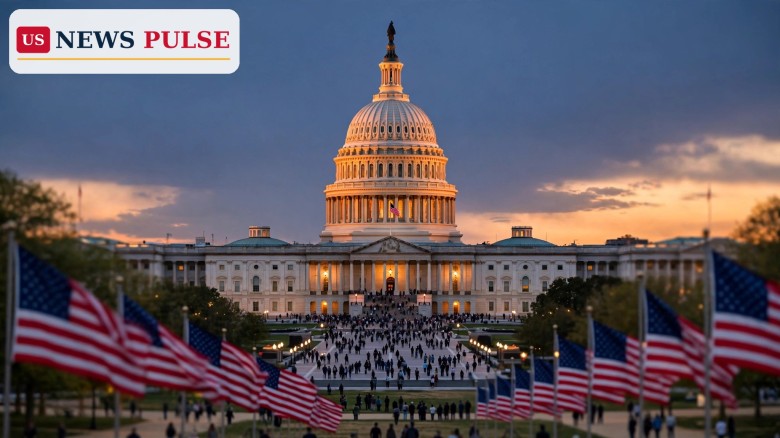
Washington, D.C. — House Democrats have unveiled a Democrats 100-day agenda after their sweeping victory in the November 3, 2026 midterm elections, promising swift action to lower the cost of gas, groceries and other everyday goods, reverse cuts to health care, and open a far tougher era of oversight of President Donald Trump. The plan, prepared before the election and now given fresh force by control of both chambers of Congress, will be the first test of a new Democratic majority that takes office on January 3, 2027.
House Democratic Leader Hakeem Jeffries of New York, in line to become the first Black speaker of the House when the new Congress convenes, summed up the message in two words: "We hear you." The plan rests on two pillars: affordability, and accountability for the Trump administration. Any of it, however, must still pass the president's desk, and President Trump retains the veto pen.
Key Points
- House Democrats promise a 100-day agenda after winning control of both the House and Senate in the November 3, 2026 midterms.
- The plan targets lower gas, grocery and household costs, plus bills to reverse Affordable Care Act and Medicaid cuts.
- Democrats plan to reinstate Affordable Care Act tax credits that expired in 2025 and reverse Medicaid cuts and work requirements in the "One Big Beautiful Bill".
- Jeffries vowed to "hold the crooks accountable"; Rep. Robert Garcia warned "Lawyer up" and Sen. Ron Wyden wrote "Subpoenas".
- Impeachment of the president or Cabinet members is described as an option, not a certainty, and any agenda still faces Trump's veto.
What Happened
After Democrats won both chambers on Tuesday, November 3, 2026, House Democrats moved quickly to put their governing plan in public view. The 100-day agenda, drawn up before the election through five working groups set up by Jeffries, is now the party's opening statement for the new Congress.
The working groups covered healthcare, housing, groceries and goods, gas and utilities, and caregiving — five areas Democrats say decide whether ordinary families feel better off or squeezed. Each group was asked to turn voters' complaints into legislation that could move fast in the first weeks of the new Congress, rather than a long list of promises with no bills behind them.
Jeffries kept the message deliberately simple. "We hear you," he said — a line Democratic strategists see as both an acknowledgement of anger over prices and a promise that the new majority will be judged on what it does about them. As speaker-in-waiting, the 100-day plan will be the first measure of his leadership.
Background/Context
The agenda was not improvised on election night. It was prepared in advance, through five Jeffries working groups that spent the months before the election drafting proposals on the issues Democrats believed would decide the midterms: health care, housing, the price of groceries and goods, gas and utilities, and caregiving.
The health-care elements are the most detailed so far. Democrats promise bills to reverse cuts to the Affordable Care Act and Medicaid programmes, to quickly reinstate Affordable Care Act tax credits that expired in 2025, and to reverse Republican Medicaid cuts and work requirements enacted in the "One Big Beautiful Bill". For millions of Americans, those credits and programmes decide whether insurance is affordable at all.
Democrats 100-Day Agenda: Lower Costs First
At the heart of the Democrats 100-day agenda is a simple ordering: costs first. The party's opening bills are designed to attack the prices voters feel every week — gas, groceries and other goods — before turning to the longer fights that will define the rest of the Congress.
The five working groups give that ordering its shape. Healthcare, housing, groceries and goods, gas and utilities, and caregiving are not abstract policy areas; they are the bills that arrive each month. A family that pays more for fuel, food, rent and care at the same time does not experience five separate problems. It experiences one squeeze.
The health-care bills are the clearest example. Reinstating tax credits that expired in 2025 would directly lower premiums for people who buy insurance through the exchanges. Reversing Medicaid cuts and work requirements would restore coverage Democrats say was stripped away. Whether those bills become law is another question: Trump can veto them, and Democrats do not hold a filibuster-proof Senate majority, so the plan may function as much as a statement of intent as a path to signed legislation.
Reactions/Quotes
Jeffries set the tone with his two-word summary of the election result: "We hear you." It was a message aimed less at Washington than at voters who, in the party's reading, used the midterms to demand relief on prices and health care.
On oversight, the language has been sharper. Jeffries vowed to "hold the crooks accountable". House Oversight's top Democrat, Representative Robert Garcia of California, warned bluntly: "Lawyer up." In the Senate, Finance's top Democrat, Senator Ron Wyden, wrote a single word that captured the same message: "Subpoenas."
Why It Matters
The agenda matters because it will define the new Democratic majority before it has passed a single law. First impressions in a new Congress are hard to reverse, and voters will judge the majority on whether its opening weeks feel like action or argument.
It matters, too, for priorities and the veto: by putting gas, groceries and health care first, Democrats bet the midterms were a verdict on the cost of living, and every bill will be measured against what the president does with it.
What Happens Next
The immediate next step is the convening of the new Congress on January 3, 2027, when Jeffries is in line to be elected speaker and Democratic committee chairs take their posts. Until then, the plan remains a promise; after that date, it becomes a legislative calendar.
In the first weeks, expect affordability bills to move first, and oversight to begin quickly. Impeachment, leaders say, is an option, not a certainty, and any move would follow investigations.
Frequently Asked Questions
What is the Democrats' 100-day agenda?
It is House Democrats' plan for the first 100 days of the new Congress: lower gas, grocery and other costs, reverse Affordable Care Act and Medicaid cuts, and pursue robust oversight of the Trump administration.
Who will lead the new House?
House Democratic Leader Hakeem Jeffries of New York is in line to become speaker on January 3, 2027, which would make him the first Black speaker in American history.
What health-care changes are promised?
Bills to reinstate Affordable Care Act tax credits that expired in 2025 and to reverse Medicaid cuts and work requirements from the "One Big Beautiful Bill".
Will Democrats impeach President Trump?
Impeachment is described as an option, not a certainty, with oversight and accountability emphasised first.
Can the agenda become law despite a veto?
Not easily. Democrats control both chambers, but Trump retains the veto pen, so opposed bills would need enough support to override a veto.
Read more on US News Pulse: Mike Johnson steps aside after the midterm rout, Wall Street rallies as Democrats take over Congress and Texas Democrats' down-ballot sweep.
Leave a Comment