
Saudi Houthi Missile Intercept: Riyadh Defences Down Cruise Missile, Drone
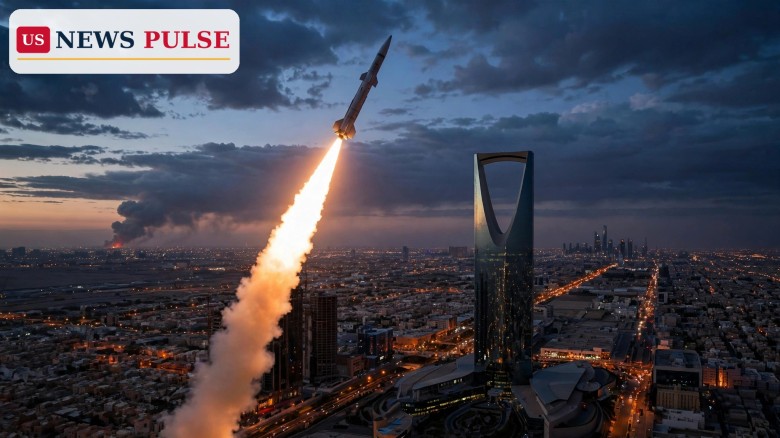
Saudi air defences shot down a Houthi cruise missile heading for the Riyadh region on Saturday, November 7, 2026, the Saudi-led coalition said, in the second attempted attack on the Saudi capital in a single day. Hours earlier, coalition defences had destroyed a drone over the same region in a separate incident.
No casualties or damage were reported, the coalition said. It gave no detail on which system was used, where debris fell, or the missile's intended target. The Houthis had not claimed the attack, and the claims could not be independently verified.
Key Points
- The Saudi-led coalition said its defences destroyed a Houthi cruise missile heading toward the Riyadh region on Saturday, November 7.
- Hours earlier, the coalition destroyed a drone over the Riyadh region in a separate, unattributed incident — two attempts on the capital in one day.
- Spokesman Maj. Gen. Turki al-Maliki announced the intercept on X, calling the Houthis a "terrorist militia".
- No casualties or damage were reported, and the coalition gave no detail on the system used or where debris fell.
- They came the same day Saudi-led airstrikes killed at least 25 people near Sanaa, days after the Houthis claimed a missile hit Riyadh's King Khalid Airport.
What Happened
The coalition announced the intercept on Saturday, with Maj. Gen. Turki al-Maliki posting on X: "Air defences intercepted and destroyed a cruise missile launched by the terrorist Houthi militia toward the Riyadh region." The statement gave no time for the intercept and no detail on the missile's flight path, launch point, or where debris came down.
Hours earlier, the coalition had destroyed a drone over the Riyadh region in what it described as a separate incident. Unlike the missile, the drone was not attributed to the Houthis, and no group claimed it. Together, the two incidents meant Riyadh — a city of more than seven million people — faced two aerial threats in one day, both stopped before reaching the capital, according to the coalition.
Background: A War That Resumed in July
The renewed Saudi-Houthi fighting resumed in July 2026, shattering a 2022 UN-brokered truce that had largely held for four years. Since then, Houthi missiles and drones have repeatedly targeted Saudi territory, and Saudi-led airstrikes have hit Houthi-held Yemen, in a spillover of the wider US-Iran war, now in its ninth month.
It was the third such episode in just over a week: on October 30-31, defences intercepted missiles and drones aimed at Riyadh, Makkah and Madinah — read our report; on November 2, a ballistic missile bound for the southern region and two Riyadh drones were destroyed — read our report; and on November 4, the Houthis claimed a missile hit King Khalid Airport, unconfirmed by Saudi authorities — read our report.
The wider war began on February 28, 2026, when the United States and Iran went to war. The Tehran-backed Houthis have tied their campaign to it, attacking Red Sea shipping and launching missiles at Saudi Arabia and Israel, while the US has struck Iranian targets including Qeshm Island.
Saudi Houthi Missile Intercept: What the Coalition Said — and What It Did Not
The coalition's announcement was short, and much remains unknown: it did not say which system shot the missile down, where it was launched from, what its target was, or where debris fell. It did not say whether air-raid alerts sounded in Riyadh, as they did in southern cities on November 2, and published no images or video.
The public account rests entirely on the coalition's word: the Houthis had not claimed the attack, and no independent source had confirmed an intercept. Both sides have a record of hard-to-verify claims — the Houthis denied targeting Saudi territory after the October 30-31 interceptions, and their November 4 airport claim remains unconfirmed.
Reactions
The coalition's message was its announcement itself: a brief statement from spokesman Maj. Gen. Turki al-Maliki, posted on X, describing the destruction of a cruise missile "launched by the terrorist Houthi militia toward the Riyadh region". No further Saudi government statement had been issued at the time, and there was no immediate comment from the Saudi civil defence authority on whether residents had been warned.
The Houthis issued no claim and no denial in the hours after the announcement. Their military spokesman, Yahya Saree, has used X to announce past operations — including the November 4 airport claim — but said nothing about the Riyadh-bound missile. Aviation authorities are already cautious: a European Union Aviation Safety Agency advisory on Saudi airspace remains in effect.
Why It Matters
Riyadh is now being targeted repeatedly, and the pattern is widening. The capital has faced missiles and drones on October 30-31, on November 2, and twice on November 7, alongside the Houthis' claim of a strike on its main international airport. Each interception has so far ended without reported casualties, but every launch tests defences that must succeed every time, while an attacker needs to succeed only once.
The attacks also land in a fragile diplomatic moment. US Vice President JD Vance said on November 2 that Washington had made "progress" in talks with Iran, with "no strict deadline" for a deal before strikes resume. A Houthi missile aimed at Riyadh — and Saudi airstrikes killing at least 25 people near Sanaa the same day — shows how hard any ceasefire will be while the regional fighting runs on its own track. Civilians are already paying the price: a man died on November 3 from injuries in the October 10 attack on King Khalid Airport.
What Happens Next
Three things will show where this goes next: whether the Houthis claim the November 7 missile, which would confirm the attack and signal more to come; whether the coalition answers with further airstrikes in Yemen; and whether attacks on Riyadh keep rising — three interception episodes in eight days already marks a sharp escalation from the quieter months of the truce. Diplomats will also watch the US-Iran talks, where Vance wants a firm, verifiable commitment that Iran will not rebuild its nuclear programme.
Frequently Asked Questions
What happened in Riyadh on November 7, 2026?
Saudi defences intercepted a Houthi cruise missile heading toward the Riyadh region, the coalition said, hours after destroying a drone over the same region in a separate incident.
Was anyone hurt?
No. The coalition reported no casualties or damage from either interception, and no damage was reported in Riyadh.
Did the Houthis claim the attack?
Not as of the announcement. The Houthis had not claimed the November 7 attack, and the interception claims could not be independently verified.
Why are the Houthis attacking Saudi Arabia?
They are fighting a renewed war with the Saudi-led coalition that resumed in July 2026, breaking a 2022 UN truce — a spillover of the US-Iran war that began on February 28, 2026, with the Houthis backed by Tehran.
Has Riyadh been attacked before?
Yes, repeatedly: October 30-31, November 2, and twice on November 7. The Houthis also claimed on November 4 that a missile hit King Khalid Airport, unconfirmed by Saudi authorities.
© 2026 US News Pulse. All rights reserved.
 Print
 Save