
Zaporizhzhia Nuclear Plant Drone Attacks Kill Two Workers as IAEA Condemns Strikes
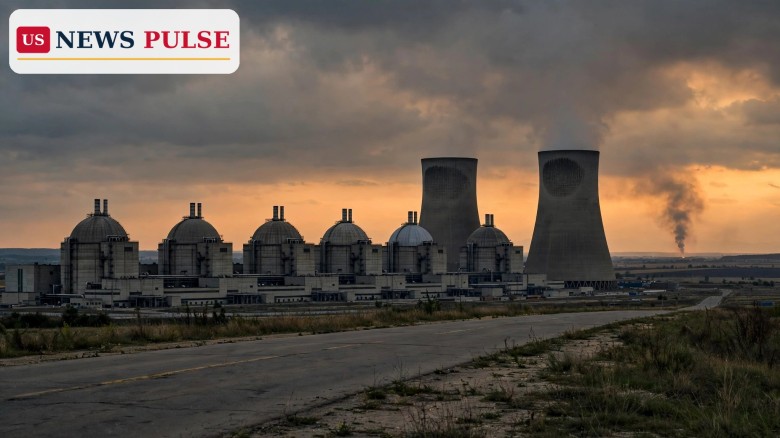
Two workers at Ukraine's Zaporizhzhia nuclear power complex were killed in separate drone attacks on Monday, November 9, 2026, the International Atomic Energy Agency (IAEA) said. One victim worked at the Zaporizhzhia Nuclear Power Plant (ZNPP) itself and the other at the nearby thermal power plant. IAEA Director General Rafael Grossi condemned the "unacceptable" attacks and called for an immediate end to strikes on plant personnel.
Key Points
- Two employees were killed in separate drone attacks near the Zaporizhzhia Nuclear Power Plant on Monday, November 9, 2026, the IAEA said.
- One victim worked at the nuclear plant itself; the other at the nearby Zaporizhzhia Thermal Power Plant.
- IAEA chief Rafael Grossi condemned the "unacceptable" attacks as a violation of essential pillars of nuclear safety.
- The deaths follow another worker killed days earlier and a November 3 drone strike that killed two people in a car.
- The plant lost all external power on Sunday, November 8 — its 27th blackout since the war began.
What Happened
The two workers were killed in two separate drone attacks near the Zaporizhzhia plant on Monday, the IAEA said in a statement posted on X. The agency gave no details of the locations or circumstances, or who carried out the attacks. Both sides have repeatedly accused each other of endangering the plant since Russian forces seized it early in the war, and neither side immediately claimed responsibility.
The IAEA said the killings followed a report several days earlier of another ZNPP worker killed in a drone strike. Plant management had also said on November 3 that a drone killed two people in a car, including a female station employee — the third plant worker killed in two weeks at that point, and the 13th since April. Monday's deaths mean the toll has climbed further within a week.
The attacks came a day after the plant's latest total loss of external power. On Sunday, November 8, it lost its only remaining off-site line, the 330 kV Ferosplavna-1, at 02:36, and ran on emergency diesel generators for about 15 hours until power was restored at 17:41 — the 27th such loss since the war began.
Background: Europe's Largest Nuclear Plant on the Front Line
The Zaporizhzhia plant, in southeastern Ukraine near the front line, is Europe's largest nuclear power station, with six VVER-1000 reactors and 6,000 megawatts of capacity. It has not generated electricity since September 11, 2022, but its reactors still need power and water to keep their fuel cool — which is why its 27 losses of external power have alarmed the IAEA almost as much as the shelling.
Russian forces have occupied the plant since the opening weeks of the invasion in 2022, and the IAEA has kept inspectors on site. The agency has set out seven indispensable pillars of nuclear safety that must be respected even in wartime, including the facility's physical integrity, functioning safety systems and secure off-site power. Grossi said Monday's attacks violate those essential pillars.
Zaporizhzhia Nuclear Plant Drone Attacks Put Staff and Safety at Risk
The attacks fit a pattern the IAEA has warned about for months: the plant's workers, not just its reactors, are now targets. A plant in shutdown still depends on its staff for cooling, monitoring and maintenance, and every worker killed or driven away makes the site harder to keep safe. The November 3 strike, in which a drone hit a car carrying a female station employee, showed that even travel to and from the plant has become lethal.
The danger is compounded by the plant's fragile power supply. When external power fails, diesel generators take over, but they are a stopgap: the November 8 blackout was the 27th since the war began. An attack that kills staff while the plant runs on emergency power is a double blow to safety, and the timing — on the eve of trilateral talks in Abu Dhabi on November 10-11 — underlines how little protection the staff have.
Reactions and Quotes
Grossi was blunt. He "strongly" condemned the "unacceptable" attacks, said they violate essential pillars of nuclear safety, and warned they "further endanger nuclear safety and security during the military conflict". He called for an immediate end to attacks on plant personnel, a demand the agency has made repeatedly as the death toll among workers has grown.
The IAEA has not named Monday's victims. Ukraine and Russia have blamed each other for the danger at the plant throughout the war: Kyiv says Russian forces use the site as a shield; Moscow says Ukrainian forces shell it. The IAEA, which has inspectors on the ground, has avoided attributing individual attacks and pressed both sides to respect the plant.
Why It Matters
The deaths matter because a nuclear plant's safety depends on its people as much as on its concrete and steel. The plant's six reactors are shut down, but they still hold fuel that must be cooled by staff who now face drone strikes on their way to work and at the plant itself. The attacks also show the plant's safety deteriorating on two fronts at once: staff are being killed and power keeps failing — the 27th blackout on Sunday, two killings on Monday. For the wider war, the strikes warn of the limits of diplomacy: the killings came on the eve of the Abu Dhabi talks, yet the people keeping Ukraine's most dangerous site safe have almost no protection.
What Happens Next
The IAEA is expected to keep pressing both sides to stop attacks on the plant and its personnel, and its inspectors will keep monitoring it. The agency has repeatedly called for a nuclear safety protection zone around Zaporizhzhia, but none has been agreed. Attention now turns to the Abu Dhabi talks on November 10-11; whether the plant's safety is on the agenda is not known, but the IAEA's condemnation will add pressure to address it.
Frequently Asked Questions
What happened at the Zaporizhzhia nuclear plant on November 9, 2026?
Two employees were killed in separate drone attacks near the plant — one at the nuclear plant itself and one at the nearby thermal plant, according to the IAEA.
Who were the victims?
The IAEA has not named them. One was an employee of the Zaporizhzhia Nuclear Power Plant; the other worked at the nearby thermal plant.
What did the IAEA say?
Director General Rafael Grossi condemned the "unacceptable" attacks, said they violate essential pillars of nuclear safety, and called for an immediate end to attacks on plant personnel.
Is the plant still operating?
No. It has not generated power since September 11, 2022, but its reactors still need power and water to stay cool. It lost all external power for the 27th time on November 8.
How many plant workers have been killed?
Plant management said the November 3 killing of a female station employee was the 13th since April and the third in two weeks. Monday's two deaths have pushed the toll higher still.
Read more: Zaporizhzhia Nuclear Plant Loses All Power for 27th Time as Diesel Generators Take Over | Russia Pounds Ukraine Power Grid Before Abu Dhabi Talks as 600,000 Lose Power | Ukraine-Russia Alert Apps Hacked, Fake Nuclear Warnings
© 2026 US News Pulse. All rights reserved.
 Print
 Save