


 | Today's Date:





Zaporizhzhia Nuclear Plant Loses All Power for 27th Time as Diesel Generators Take Over
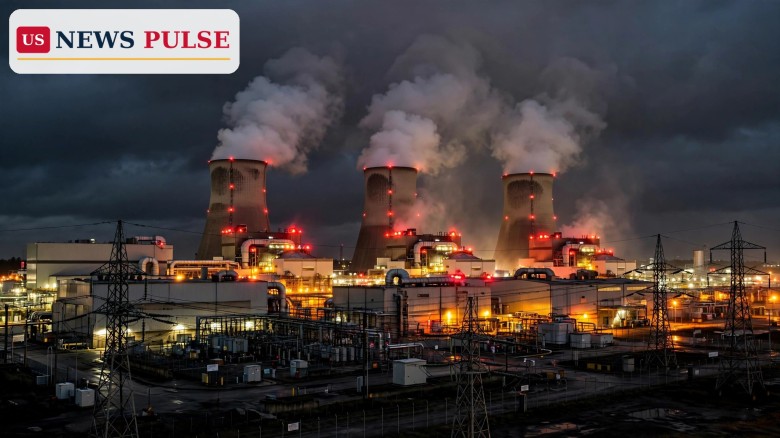
Europe’s largest nuclear power plant lost all external electricity on Sunday, forcing the Zaporizhzhia nuclear plant to run on emergency diesel generators for about 15 hours — the 27th time the Russian-occupied facility has been cut off from the grid since the full-scale war began.
Key Points
- The Zaporizhzhia Nuclear Power Plant lost its only remaining external power line, the 330 kV Ferosplavna-1, at 02:36 on Sunday, November 8, 2026, the International Atomic Energy Agency confirmed.
- Emergency diesel generators took over reactor cooling and other essential safety functions while the plant was cut off from the grid.
- External power was restored at 17:41 the same day after repairs, with the IAEA confirming the restoration late on Sunday night.
- It was the 27th complete loss of off-site power since the start of the full-scale war, and the 16th since the beginning of 2026.
- The cause and location of the disconnection are not yet known, and the IAEA says existing fuel reserves can run a limited number of emergency diesel generators for about two weeks.
What Happened
In the early hours of Sunday, the Zaporizhzhia plant’s last link to Ukraine’s electricity grid went down. The International Atomic Energy Agency said the plant lost connection to the 330 kV Ferosplavna-1 line at 02:36, leaving the facility with no off-site power at all. With the grid gone, the plant’s emergency diesel generators started up to keep reactor cooling systems and other safety equipment running.
The blackout lasted through most of the day. Repair crews worked to restore the line, and power was back at 17:41 on Sunday evening — roughly 15 hours after it failed. The IAEA confirmed the restoration late on Sunday night. The agency did not say what caused the line to fail or where exactly the damage occurred, and that question was still open on Monday.
The outage was the 27th time the plant has lost all off-site power since Russia launched its full-scale invasion of Ukraine, and the 16th such loss in 2026 alone. The IAEA said the plant’s existing fuel reserves could keep a limited number of emergency diesel generators running for about two weeks if the grid failed again, a margin that shrinks with every repeat outage.
Background: A Giant Plant on the Front Line
The Zaporizhzhia Nuclear Power Plant, in southeastern Ukraine, is Europe’s largest nuclear facility, with six VVER-1000 reactors and a total capacity of 6,000 megawatts. It has not generated electricity since September 11, 2022, but that does not mean it can simply be switched off. Even shut-down reactors hold hot nuclear fuel that must be cooled continuously, and the spent fuel stored on site also needs cooling and monitoring. Without power, that work falls to diesel generators — a backup that was designed for emergencies, not for routine use.
The plant has been under Russian occupation since the early weeks of the war, sitting close to the front line. Both sides have repeatedly accused each other of putting the facility in danger, and the fighting around it has damaged power lines again and again.
Zaporizhzhia Nuclear Plant Power Outage: The 27th Blackout
Each loss of off-site power follows the same dangerous pattern. The plant’s reactors and spent-fuel pools need a constant supply of electricity to circulate cooling water. When the grid fails, diesel generators take over, but they need fuel and maintenance, neither guaranteed at a plant in a war zone. If the generators failed as well, cooling would stop, and the risk of fuel overheating would rise sharply.
Sunday’s failure was also notable because the Ferosplavna-1 line was the plant’s only remaining external connection. There was no second line to fall back on when it went down at 02:36. Other lines that once fed the plant have been damaged or cut off during the fighting, leaving the facility dependent on one cable.
Reactions and Quotes
IAEA Director General Rafael Grossi said the outage showed that nuclear safety at the plant “remains very precarious.” The agency’s confirmation of both the loss and the restoration came in its regular updates on the plant, which has become one of the most closely watched nuclear sites in the world.
The IAEA has repeatedly called for the plant’s safety to be protected and for attacks on nuclear facilities and their staff to stop. The agency has not blamed either side for Sunday’s disconnection, saying the cause and location are not yet known.
Why It Matters
A nuclear power plant that loses all external power 27 times in one war is a plant living on borrowed time. The diesel generators have worked every time so far, and Sunday’s outage ended the same day with no reported safety incident. But each blackout is a risk: generators can fail, fuel can run short, and repair crews can be kept away by fighting.
The risk is not only Ukrainian. Zaporizhzhia is Europe’s largest nuclear plant, and a serious accident there would have consequences far beyond the front line. That is why the IAEA has treated every outage as a global safety event, not a local power cut.
What Happens Next
The immediate question is what cut the Ferosplavna-1 line and whether it can be protected against a repeat. The IAEA is expected to keep reporting on the plant’s status, and its inspectors will be watching whether the repaired line holds.
The longer question is whether the plant’s power supply can be made more resilient while the war continues. Until then, the plant’s safety rests on a single power line and a set of diesel generators — and on the hope that both hold the next time the grid goes dark.
Frequently Asked Questions
What happened at the Zaporizhzhia nuclear plant on November 8, 2026?
The plant lost connection to its only remaining external power line, the 330 kV Ferosplavna-1, at 02:36 on Sunday, November 8, 2026. Emergency diesel generators took over cooling and safety systems until power was restored at 17:41 the same day.
How many times has the plant lost all external power?
Sunday’s outage was the 27th complete loss of off-site power since the start of the full-scale war, and the 16th since the beginning of 2026, according to the IAEA.
Why is a power loss dangerous at a nuclear plant that is not generating electricity?
Even shut-down reactors need continuous cooling for their fuel, and spent fuel stored on site also needs cooling. Without electricity, that work depends on diesel generators, which have a limited fuel supply.
How long can the diesel generators keep the plant safe?
The IAEA said existing fuel reserves can run a limited number of emergency diesel generators for about two weeks.
What did the IAEA say about the outage?
IAEA Director General Rafael Grossi said the outage showed that nuclear safety at the plant “remains very precarious.” The agency confirmed both the loss of power and its restoration, and said the cause and location of the disconnection are not yet known.
Related reading: Russian Bombs Kill 26 at Ukraine Aid Centre School in Komyshuvakha, Kyiv Says • Ukraine and Russia Alert Apps Hacked as Fake Nuclear Warnings Sent to Millions • Komyshuvakha Bodycam Shows Final Moments Before Double-Tap Strike Killed 40
Leave a Comment