
IMF Begins Ukraine Loan Review That Could Unlock $1.67 Billion for Kyiv
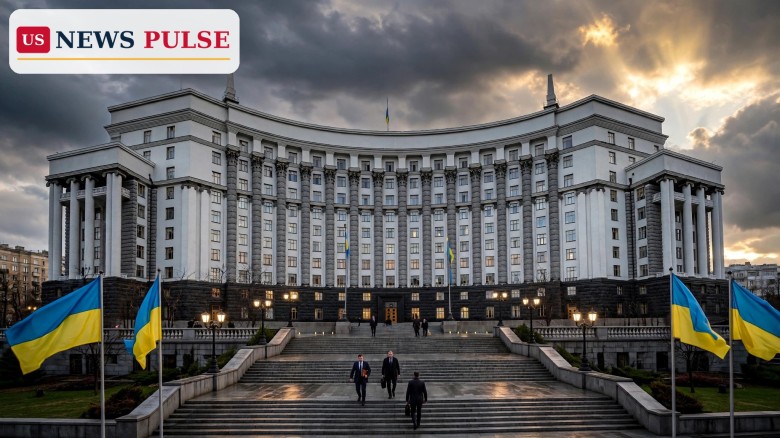
The International Monetary Fund has begun a review of Ukraine's lending programme that could unlock $1.67 billion, as Kyiv faces a funding gap of about $70 billion next year. The IMF Ukraine loan review, which started on Monday, November 9, combines the second and third assessments of the country's four-year, $8.1 billion programme, approved in February 2026. If it succeeds, IMF staff aim to bring it to the fund's executive board by December, clearing the way for the next tranche to be paid.
The review comes at a critical moment. Ukrainian officials say the country needs tens of billions in outside help next year to keep the government running and repair war-damaged infrastructure. The IMF money alone will not close the gap, but a positive review would unlock the tranche and signal to other donors that the programme remains on track.
Key Points
- The IMF began the combined second and third reviews of Ukraine's $8.1 billion programme on Monday, November 9, 2026.
- A successful review could unlock $1.67 billion in fresh financing for Kyiv.
- IMF staff aim to present the reviews to the fund's executive board by December.
- Ukraine faces a funding gap of about $70 billion in 2027, with $32.6 billion of $52.6 billion in external financing still uncovered.
- The central bank expects Ukraine's economy to shrink 0.4% in 2026.
What Happened
The IMF mission, led by Gavin Gray, is meeting Ukrainian officials in Lviv and Warsaw in a hybrid format, the fund's resident representative in Ukraine, Priscilla Toffano, said. The talks cover macroeconomic and fiscal policies, financial-sector stability and progress on reforms. Prime Minister Sergii Koretskyi said the meetings would also cover the budget and international financial aid for 2027, when Ukraine's financing needs are expected to peak.
Under IMF programmes, money is released in stages, each depending on the fund concluding that the borrower is meeting its agreed targets and reforms. Combining the second and third reviews lets the fund assess a longer stretch of performance and release a larger tranche if the assessment is positive. Reuters reported that staff aim to bring it to the executive board by December; board sign-off is the final step before the $1.67 billion can be disbursed.
The IMF Ukraine Loan Review: What Is at Stake
The programme at the centre of the review is a four-year, $8.1 billion IMF lending arrangement approved in February 2026. It was designed to anchor Ukraine's economy through the war, giving the government predictable budget financing while it carries out reforms to its tax system, public spending and financial sector. The $1.67 billion now under consideration is the next instalment, and it would arrive as Kyiv draws up its budget for 2027.
What Ukraine needs next year is far larger than any single IMF tranche. Officials say the country faces a funding gap of about $70 billion in 2027. The Kyiv Independent, citing official figures, reported that Ukraine needs $52.6 billion in external financing in 2027, of which about $32.6 billion is still uncovered — a shortfall to be filled by IMF money, bilateral loans and grants from allies, and other lenders.
The central bank expects gross domestic product to slip 0.4% in 2026, reflecting the strain of a war economy: disrupted industry, damaged energy infrastructure, millions displaced and a workforce depleted by mobilisation and emigration. Every tranche matters, because it reduces pressure on the central bank to print money to cover the deficit, which would risk fuelling inflation.
Background: A War Economy Running on Aid
Ukraine has depended on foreign financial support since Russia's full-scale invasion, and the IMF programme is one of the pillars of that support. The fund's involvement does more than provide cash: its regular reviews act as a seal of approval that other donors watch closely. A programme judged on track makes it easier for Kyiv to raise money elsewhere, while a review that stalls can make partners hesitate.
The review opens as diplomacy picks up pace. Ukrainian, Russian and US delegations opened trilateral peace talks in Abu Dhabi on Tuesday, the first such meeting in nine months, covering an end to hostilities, security guarantees and humanitarian measures. Russia and Ukraine showed flexibility on territory ahead of the Abu Dhabi talks, raising cautious hopes of movement. Even if talks progress, financing needs will not vanish: rebuilding will take years, and the European Bank for Reconstruction and Development warned that at least 500 million euros is needed to repair the Chernobyl nuclear shield alone.
Reactions
Prime Minister Sergii Koretskyi said the meetings would cover the budget and international financial aid for 2027, underlining that the talks are about next year's financing, not only the current review. His framing reflects Kyiv's central worry: that the money pledged for 2027 arrives in time and in full.
IMF resident representative Priscilla Toffano said the mission is examining macroeconomic and fiscal policies, financial-sector stability and reforms. Each element carries weight: fiscal policy determines whether the government can keep paying for the war without destabilising prices, and reforms are the condition for continued support. Neither side has said how long the mission will take.
Why It Matters
The timing matters as much as the outcome. Ukraine's government is preparing its 2027 budget, and the size of the financing gap means every confirmed source of funding shapes what the budget can promise. A positive IMF review in December would lock in $1.67 billion and strengthen Kyiv's hand as it negotiates further support from the United States, the European Union and other partners.
A delay or a negative assessment would leave a hole in the 2027 financing plan and raise questions among donors about whether the programme is slipping. The review also matters beyond Ukraine: the IMF's programme is one of the largest it has ever run for a country at war, and its outcome will shape how the fund approaches other conflict-affected economies.
What Happens Next
The mission will continue its meetings in Lviv and Warsaw, working through the fiscal numbers, the banking sector and the reform agenda. If a staff-level agreement is reached, the fund will prepare a report for the executive board, expected to consider the combined reviews in December. Approval would trigger the $1.67 billion disbursement, and attention would then turn to closing the remaining $32.6 billion gap in external financing for next year.
Frequently Asked Questions
How much money could the IMF review unlock?
Up to $1.67 billion for Ukraine, if the combined second and third reviews are approved by the IMF's executive board.
What is the IMF programme worth in total?
The four-year programme, approved in February 2026, is worth $8.1 billion, released in tranches as reviews are completed.
How big is Ukraine's funding gap for 2027?
Officials put the gap at about $70 billion: Kyiv needs $52.6 billion in external financing in 2027, of which about $32.6 billion is still uncovered.
When will the IMF board decide?
IMF staff aim to bring the reviews to the board by December 2026, though no formal date has been announced.
What is Ukraine's economy expected to do in 2026?
The central bank expects gross domestic product to slip 0.4% in 2026 as the war weighs on industry, energy and the workforce.
© 2026 US News Pulse. All rights reserved.
 Print
 Save