


 | Today's Date:



Chernobyl Nuclear Shield Needs at Least €500 Million in Repairs, EBRD Warns
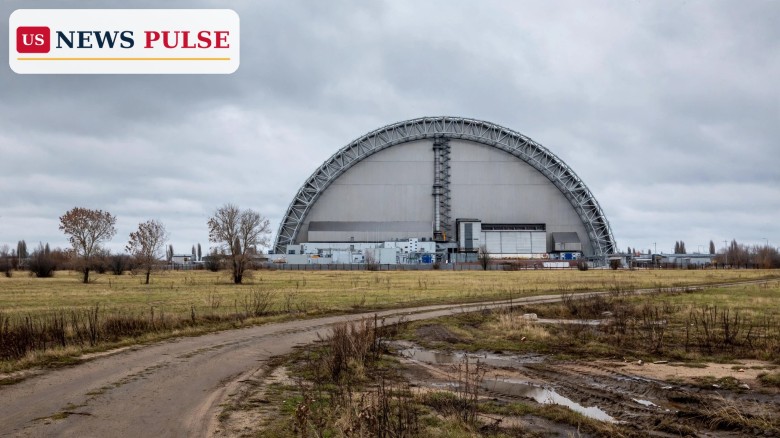
The Chernobyl nuclear shield — the giant steel arch sealing the ruins of Reactor 4 — needs at least €500 million in repairs after a Russian drone strike last year, the European Bank for Reconstruction and Development (EBRD) warned on Wednesday. The bank said the damage must be fixed before 2030 to protect the arch's 100-year design life, and it has called a donor conference in Paris on Monday, November 9, to raise the money still missing.
The New Safe Confinement, as the arch is formally known, was built to contain the radioactive wreckage of the 1986 Chernobyl disaster for a century. A drone strike on February 14, 2025, punched through its outer shell and started a fire, leaving the arch damaged.
Key Points
- The EBRD says at least €500 million is needed to repair the Chernobyl New Safe Confinement, damaged by a Russian drone strike in February 2025.
- The G7 pledged €260 million in October 2026, leaving a funding gap of more than €240 million.
- EBRD President Odile Renaud-Basso said repairs must be done before 2030 to limit corrosion and protect the arch's 100-year design life.
- A donor conference will be held in Paris on Monday, November 9, 2026, co-chaired by France, Ukraine and the EBRD.
- Repair work should begin in 2028 and take about two years, once technical assessments are complete.
What Happened
The EBRD issued its warning on Wednesday, November 5, 2026, putting the minimum repair cost at €500 million and calling the figure a preliminary floor. Detailed technical assessments are still under way, the bank said, so the final bill could rise once engineers have mapped the harm to the arch's steelwork and sealing systems.
The G7 pledged €260 million toward the repairs in October 2026, at the annual meetings of the International Monetary Fund and the World Bank in Bangkok — just over half of the estimated cost, leaving a gap of more than €240 million for the Paris conference to close. EBRD President Odile Renaud-Basso said the damage must be repaired before 2030 to limit corrosion and safeguard the arch's 100-year design life, while stressing there is no immediate danger.
Background: The Arch That Sealed Reactor 4
The first containment, a concrete sarcophagus hastily built in 1986, was never meant to last. By the 1990s it was cracking and leaking, so the international community built a permanent replacement: the New Safe Confinement, a steel arch 108 metres tall and 162 metres long with a span of 257 metres, built for about €1.5 billion and slid into place in November 2016.
The arch was designed to last 100 years and to allow the eventual dismantling of the old sarcophagus and the ruined reactor inside, in sealed and controlled conditions. Dozens of donor countries paid for it through the EBRD, which has led the effort to stabilise Chernobyl since 1995, raising more than €2.5 billion and over €700 million of its own money.
That protection was breached on February 14, 2025, when a Russian drone struck the arch during the war in Ukraine, puncturing the outer cladding and starting a fire inside. Ukrainian officials and the International Atomic Energy Agency said radiation levels remained normal and the inner containment held, but the damage was severe — and its repair cost had not been publicly estimated until now.
Chernobyl Nuclear Shield Repairs: What the Money Will Fix
The €500 million will restore the arch's damaged outer skin and the systems that keep it sealed. The strike damaged the cladding and the membrane that protects the steel frame from rain and moisture. If water reaches the steel, corrosion accelerates, weakening the arch's ability to contain radioactive dust and protect the dismantling work inside.
Engineers are still assessing the full extent of the damage, including whether the strike affected the arch's ventilation and crane systems. The EBRD's estimate is therefore a floor, not a final figure: the assessments now under way will determine the exact scope of the work, and the final cost could be higher.
Reactions and Quotes
"The damage must be repaired before 2030 to limit corrosion of the steel arch and safeguard the structure's 100-year design life," EBRD President Odile Renaud-Basso said, while stressing that there is no immediate danger from the damaged structure.
Ukraine has pressed for months for the repair funding, arguing that the drone strike on the arch was an attack on nuclear safety itself. Kyiv says the war has put its nuclear sites at risk, from the fighting around the Zaporizhzhia plant to the strike on Chernobyl's shield. Russia has denied targeting the arch deliberately, a claim Ukraine and its allies reject.
The International Atomic Energy Agency has monitored Chernobyl since the strike and reports that radiation levels remain normal, while warning that attacks on nuclear facilities are unacceptable and that such sites must be protected even in wartime.
Why It Matters
Chernobyl's arch is not a monument. It is a working safety system, the only barrier between the radioactive ruins of Reactor 4 and the outside world for the next century. If its steel frame corrodes, keeping the site safe gets much costlier — and the risk that radioactive material escapes rises.
What Happens Next
All eyes are now on the Paris donor conference on Monday, November 9, 2026, where France, Ukraine and the EBRD will chair the effort to raise the remaining €240 million-plus.
If the funding is secured, detailed engineering work will continue through 2027, with repairs beginning in 2028 and lasting about two years, and finished before 2030 — leaving little room for delay.
Frequently Asked Questions
How much will it cost to repair the Chernobyl nuclear shield?
At least €500 million, the EBRD said on November 5, 2026, warning the figure is preliminary and could rise once technical assessments are complete.
What damaged the New Safe Confinement?
A Russian drone strike on February 14, 2025, which punctured the arch's outer cladding and started a fire. Radiation levels stayed normal, but the damage was severe.
Is there any immediate danger?
No. The EBRD and the International Atomic Energy Agency say there is no immediate danger, but the damage must be repaired before 2030 to stop corrosion undermining the arch's 100-year life.
Who is paying for the repairs?
The G7 has pledged €260 million. A donor conference in Paris on November 9, 2026, aims to raise the rest.
When will the repairs begin?
Repair work should begin in 2028 and take about two years, after technical assessments are completed.
Related coverage: Russian bombs kill 26 at Ukraine aid centre school in Komyshuvakha, Kyiv says and Ukraine-Russia peace talks set for Abu Dhabi on Nov 10-11 as US mediates.
Leave a Comment