
ICC Judges Close Afghanistan Probe That Could Have Investigated US Troops
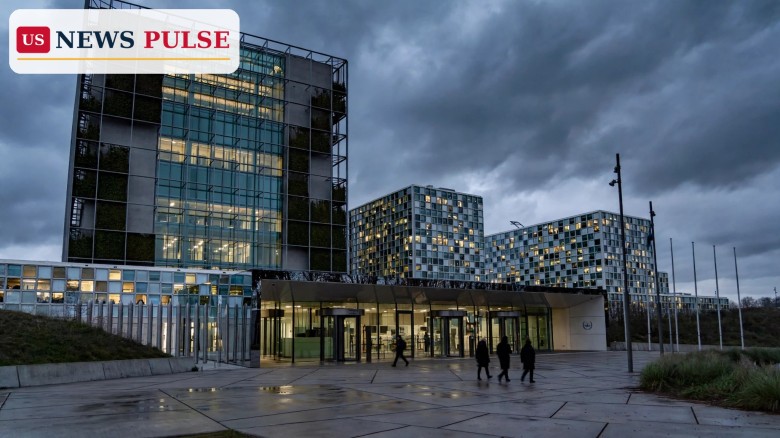
Judges at the International Criminal Court have formally closed the part of the ICC Afghanistan investigation that could have examined alleged crimes by American troops and United States intelligence operatives, narrowing the court's inquiry in Afghanistan to alleged crimes by the Taliban since 2021. The decision, issued on Thursday, November 12, 2026, and made public on Friday, November 13, also shuts down a separate probe into the Islamic State Khorasan militia, known as ISIS-K.
Key Points
- ICC judges in The Hague decided on Thursday, November 12, 2026, made public Friday, November 13, to close the line of inquiry into alleged crimes by US troops and intelligence operatives.
- The ruling also closes a separate probe into the Islamic State Khorasan militia, ISIS-K, leaving the inquiry focused only on alleged Taliban crimes since 2021.
- Judges said prosecutors had not shown they could effectively investigate in Afghanistan apart from the Taliban probe, citing "significant limitations" in gathering evidence.
- The prosecutor's office told Reuters and the Associated Press on Friday it has already appealed, but gave no further details.
- Arrest warrants against four senior Taliban leaders remain in effect; the ruling does not exonerate any US personnel or change the court's statute.
What Happened
The ruling, in court documents reviewed by Reuters, ends a line of inquiry that had already lain dormant since 2021. The judges closed the part of the prosecutor's Afghanistan investigation that previously looked at alleged crimes by US troops, and the separate ISIS-K probe at the same time.
It is the latest step in a long legal tussle between prosecutors and judges over the Afghanistan case. Earlier this year, judges ordered prosecutors to split the inquiries into two probes: one on alleged Taliban crimes since 2021, and one on the original inquiry, which had shifted towards ISIS-K. The judges have now closed that second probe altogether, and the prosecutor's appeal will go to the Appeals Chamber, which authorised the original investigation in 2020.
Background: A Case That Dates Back to 2002
The Afghanistan investigation is one of the oldest and most charged cases in the court's history. Authorised in 2020, it covered alleged offences by Afghan government forces, the Taliban, American troops and US intelligence operatives dating back to 2002. Afghanistan is a party to the Rome Statute, the court's founding treaty, giving the court jurisdiction over atrocity crimes on Afghan territory regardless of the nationality of the accused. The United States is not a party to the treaty.
The US-troops line had lain dormant since 2021, when the Taliban returned to power and the practical obstacles to investigating in Afghanistan grew sharply. The fall of the Western-backed government and the loss of access to witnesses left prosecutors with little prospect of building old cases. In July 2025 the court issued arrest warrants for senior Taliban leaders over the persecution of women and girls, and the Taliban probe became the active centre of the case.
ICC Afghanistan Investigation: What the Judges Decided and Why
At the heart of the ruling is a practical question: can prosecutors actually investigate? The judges said they closed part of the case because prosecutors had not shown they could effectively investigate allegations in Afghanistan apart from the Taliban probe, citing "significant limitations" in conducting investigations and securing evidence. The Taliban government does not cooperate with the court, and access to crime scenes, documents and witnesses is severely restricted.
The judges did not say the alleged crimes did not happen, and they did not clear anyone. The decision does not change the court's founding statute and does not exonerate any United States personnel. The statute still lets the court prosecute atrocity crimes on the territory of member states, including Afghanistan.
Reactions and Official Statements
The prosecutor's office was the first to respond, telling Reuters and the Associated Press on Friday that it had already appealed. It gave no details about the grounds, The speed of the appeal shows prosecutors strongly disagree.
The ruling comes amid an escalating confrontation between the United States and the court. Washington has imposed institutional sanctions on the court and on 13 current and former staff members, citing American opposition to arrest warrants for Israeli officials and to the investigation into US soldiers in Afghanistan. On October 9, 2026, the US imposed sweeping sanctions on the court itself, with Secretary of State Marco Rubio saying Washington would ban transactions with the court to cut off its resources. ICC President Tomoko Akane told the UN General Assembly on November 2 that the steps were "extraordinary" and "unprecedented", Her address was delivered by video because US sanctions imposed on her in August bar her from entering the United States.
Why It Matters
The decision closes the only international criminal investigation that could have examined the conduct of American forces in Afghanistan, a war that lasted two decades. For the United States, it removes an active line of inquiry Washington has treated as a threat to its sovereignty and its troops.
But it may not settle the dispute. It is unclear whether closing part of the case will allay American fears over the court's jurisdiction over US nationals, because it does not change the founding statute. The court retains the legal power to investigate crimes on Afghan territory, and the prosecutor's appeal could still revive the closed lines of inquiry.
What Happens Next
The appeal will go before the Appeals Chamber, which will decide whether the judges were right to close the non-Taliban lines of inquiry. There is no timetable yet, and the appeal could take months. If it succeeds, the closed probes could reopen; if it fails, the Afghanistan case will remain a Taliban-only investigation.
Meanwhile the Taliban investigation continues, with four arrest warrants outstanding. The court is also watching whether the United States eases or escalates its sanctions.
Frequently Asked Questions
What did the ICC judges decide?
They closed the part of the Afghanistan investigation that could have looked at alleged crimes by US troops and intelligence operatives, plus a separate ISIS-K probe. The inquiry now focuses only on alleged Taliban crimes since 2021.
Does the ruling clear American troops?
No. The judges ruled on whether prosecutors could effectively investigate in Afghanistan, not on whether crimes were committed. It does not exonerate any US personnel.
What happens to the Taliban investigation?
It continues. Warrants against four senior Taliban leaders remain in effect, and prosecutors can keep pursuing alleged Taliban crimes since 2021.
Why did the US sanction the ICC?
Washington cited opposition to arrest warrants for Israeli officials and to the investigation into US soldiers in Afghanistan. On October 9, 2026, it imposed sweeping institutional sanctions on the court.
Can the decision be reversed?
Yes, potentially. The prosecutor has already appealed, and the Appeals Chamber will decide whether the judges were right to close the non-Taliban lines of inquiry.
Related coverage: ICC President Akane accuses Trump administration of obstructing justice; 66 lawmakers urge Trump administration to cancel Afghan deportation flights via Pakistan; UN begins liquidating Western Sahara peacekeeping mission after 35 years as Guterres warns of escalation risk.
© 2026 US News Pulse. All rights reserved.
 Print
 Save