
Venezuela Blackout Protests Surge as Outages Hit 16 Hours a Day Under US-Backed Rule
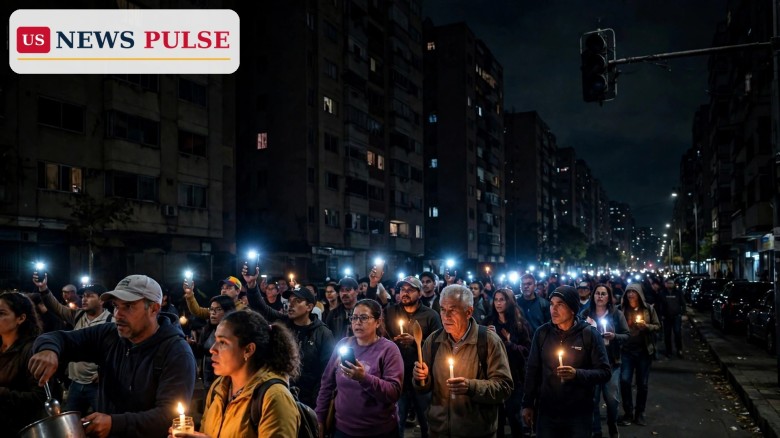
Venezuelans are taking to the streets in record numbers, and their biggest complaint is the power grid. More than 1,100 protests broke out in September 2026, the most for that month since records began in 2008, and half were about blackouts. The Venezuela blackout protests now stretch into the night, as families endure outages of up to 16 hours a day in some regions, ten months after the US military seized President Nicolás Maduro.
Key Points
- More than 1,100 protests erupted in Venezuela in September 2026, an average of 37 a day — the highest September total since the Venezuelan Observatory of Social Conflict (OVCS) began counting in 2008.
- Half were about blackouts, and many now take place at night, when the outages bite hardest.
- Daily outages last up to 16 hours in some regions. Only 6.9% of Venezuelans have continuous electricity, while 62.8% face frequent blackouts, according to ANOVA Policy Research.
- GE Vernova signed a deal in September to repair the grid, but says it will not start field work until Venezuela makes its first payment.
- In late October, the party of opposition leader and Nobel laureate María Corina Machado called nationwide protests demanding interim president Delcy Rodríguez and the US set a date for presidential elections.
What Happened
September was the loudest month for street protest in Venezuela. The OVCS counted more than 1,100 demonstrations, 37 a day on average, the most for any September since counting began in 2008. About half were driven by the failing power grid, and a growing share now happen after dark, when families gather with candles, phone lights and pots to bang.
The outages are severe. In some regions the power cuts out for up to 16 hours a day. ANOVA Policy Research found only 6.9% of Venezuelans enjoy continuous electricity, while 62.8% live with frequent blackouts. For millions, the grid is the daily measure of a country that is not working.
The protests come ten months after the US military seized Nicolás Maduro in January 2026. The country is effectively under US control as the Trump administration works with interim president Delcy Rodríguez to revive the oil industry. The Washington Post reported the findings on Thursday, November 12.
Background and Context
Venezuela's grid has been failing for years, worn down by underinvestment and the collapse of the state oil company that once paid for everything. The January seizure of Maduro changed the politics but not the wiring. The Trump administration moved quickly to restart oil exports, and billions in crude revenue have flowed through a US Treasury-run account. Read our report on the KPMG audit showing nearly all of Venezuela's oil money was returned.
But the oil revival has not fixed the lights. Analysts say there is not enough power for both the reviving extraction industry and Venezuelan households, and the choice has become a political problem for Rodríguez and her American backers. Every megawatt sent to the oilfields is one that does not reach a home.
In September, GE Vernova signed a grid-repair deal alongside the US-backed oil agreements. The company says it will not begin field work until Venezuela makes its first payment, leaving the repairs on paper while the outages continue.
Venezuela Blackout Protests Put Pressure on Interim Government
The protests are now a direct challenge to the interim government. Rodríguez, who took power after Maduro's removal, has tried to lighten the mood. On October 8, she declared Venezuela's official Christmas season would begin early, on November 1, a move widely read as an attempt to lift spirits in a country worn down by blackouts.
The gesture has not quieted the streets. In late October, the party of María Corina Machado, the opposition leader and Nobel Peace Prize laureate, joined other opposition groups in calling nationwide protests demanding Rodríguez and the United States set a date for presidential elections. Venezuela is run by a leader nobody elected, under a foreign government's supervision, with no vote yet scheduled.
On November 10, the government proposed reforms on private investment and joint participation in the grid, a sign it is feeling the pressure. The proposals would open the power sector to private money, but they do not say when the lights will stay on.
Reactions and Quotes
The OVCS figures have become the measure of the moment: more than 1,100 protests in a single month, half about power, at a pace not recorded for September in 18 years of counting. The unrest is spread across the country wherever the grid fails, not just in Caracas.
The opposition's message is simpler: set an election date. Machado's party argues only a government chosen by Venezuelans can fix the power grid. Washington has not said when a vote will be held. GE Vernova, meanwhile, says its crews will not start grid repairs until the first payment arrives.
Why It Matters
The blackout protests test the central promise of the post-Maduro order: that removing the old government would make daily life better. Ten months on, the lights still go out for up to 16 hours a day, and the streets are louder than they have been in years.
The crisis also exposes the tension at the heart of the US-backed project. Reviving oil exports is meant to pay for reconstruction, but the industry consumes power households need. If the oil comes back and the lights do not, the interim government will struggle to argue the arrangement works. Every month without an election date strengthens the opposition's case that it is stalling, and every blackout gives that argument a fresh audience.
What Happens Next
Three things will decide this. First, whether Venezuela makes the payment that would let GE Vernova start grid repairs. Second, whether the November 10 reform proposals turn into real private investment in the power sector. And third, whether Rodríguez and Washington answer the demand for a presidential election date.
Until then, the protests are likely to continue, and the nights to stay loud. Read our report on Trump saying he would consider military force in Cuba, another front in the administration's Latin America policy. The grid will not be fixed in a week, and the pressure will not wait.
Frequently Asked Questions
How many protests took place in Venezuela in September 2026? More than 1,100, according to the Venezuelan Observatory of Social Conflict — 37 a day on average, the most for September since counting began in 2008.
How long do the blackouts last? Up to 16 hours a day in some regions. Only 6.9% of Venezuelans have continuous electricity, and 62.8% face frequent blackouts, according to ANOVA Policy Research.
Who is running Venezuela now? Delcy Rodríguez, interim president since the US military seized Nicolás Maduro in January 2026. The Trump administration is working with her government to revive the oil industry.
What is being done to fix the grid? GE Vernova signed a September grid-repair deal, but will not start field work until Venezuela makes its first payment. The government also proposed reforms on November 10 to allow private investment in power.
What are protesters demanding? Reliable electricity first — but the opposition also wants an election date set, arguing only an elected government can fix the country's institutions.
© 2026 US News Pulse. All rights reserved.
 Print
 Save