
Lisa Cook to Boycott 'Unfair' White House Firing Hearing, Lawyer Calls Panel a Facade
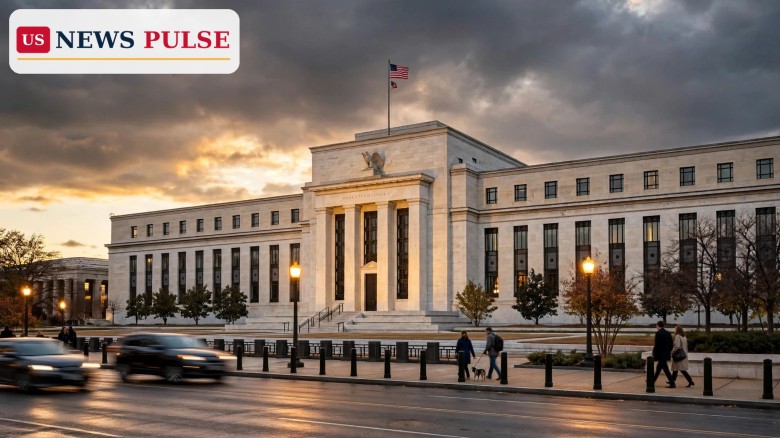
Federal Reserve Governor Lisa Cook will not attend the White House hearing set for December 14, 2026, on mortgage-fraud allegations against her unless the panel and its procedures change, her lawyer said in a letter made public on Tuesday. The letter calls the three-member committee a "facade designed to obscure a predetermined decision to fire Governor Cook" and says she has a duty to the Federal Reserve to refuse an unfair process.
Key Points
- Fed Governor Lisa Cook will boycott her December 14 White House firing hearing unless the panel changes, lawyer Abbe Lowell said Tuesday.
- Lowell called the committee a "facade" hiding "a predetermined decision to fire Governor Cook" and said she owes no duty to an unfair hearing.
- His objections: Kevin Hassett sits on the panel after already deciding, and it demands Cook's documents now but shows its evidence only seven days before the hearing.
- The door is open: Cook will appear if the White House seats an unbiased panel and adopts fair procedures.
- The hearing was first set for November 5, then moved to December 14, five days after the Fed's December 8-9 meeting; the White House had not replied.
What Happened
The letter, from Cook's lawyer Abbe Lowell to White House counsel Will Scharf, is dated Monday, November 16, and was made public on Tuesday, November 17. Lowell writes that Cook "has no legal obligation to participate in an unfair hearing" and has a duty to the Federal Reserve to decline a process that would undermine its independence. Cook is not refusing to answer the mortgage allegations, her lawyer says — she is refusing to answer them before a panel she says has already decided the outcome.
The hearing is the administration's attempt to satisfy the Supreme Court's June ruling that a Fed governor is owed notice and a hearing before removal for cause. Trump set up the panel by memorandum on October 7 to investigate claims Cook made false statements on her mortgages and recommend whether there is cause to remove her. Cook denies wrongdoing, and no criminal charge has been filed.
Background/Context
The fight is more than a year old. Trump first tried to fire Cook in August 2025, alleging she falsified 2021 mortgage documents by claiming homes in both Michigan and Georgia as her primary residence. Her lawyers say the Atlanta designation was an inadvertent mistake, the property was later rented, and she denied fraud in an August 2026 letter. Cook has stayed in her seat and kept voting at the Fed, including dissenting recently in favour of another rate rise.
The Supreme Court ruled 5-4 in June 2026 that Cook keeps her seat while the case proceeds, that a president cannot fire a governor "at will," but may remove one for cause after she has had a chance to defend herself. That ruling is why the hearing exists: the administration must show it gave Cook a fair process. See our report on the White House setting the December 14 hearing for Fed Governor Lisa Cook. Cook, appointed in 2022, is the first Black woman to serve as a Fed governor; her term runs to 2038. No president has ever removed a sitting Fed governor.
The Lisa Cook Boycott Hearing and the 'Facade' Charge
The word that will define this round is "facade." Lowell chose it deliberately: a hearing whose outcome is fixed in advance is not a hearing at all, but a performance staged to satisfy a court. If Cook stays away and the panel recommends removal anyway, her lawyers will almost certainly argue in court that she never got the fair hearing the Supreme Court required.
It also raises the stakes for the White House, which built the panel to create a record that would survive judicial review. If the governor at the centre of the case calls the panel biased and refuses to take part, that record arrives in court already damaged. The hearing falls five days after the Fed's December 8-9 meeting, when the central bank is widely expected to raise rates again.
Reactions/Quotes
Lowell's letter is the fullest statement yet from Cook's side, framing the boycott as an obligation: "Governor Cook has no legal obligation to participate in an unfair hearing — and indeed, has a duty to the Federal Reserve to decline to participate in any proceeding that would undermine the institution's unique status and independence."
The White House sees it differently. When the December 14 date was announced, Hassett told Bloomberg TV that Cook's lawyers had worked closely with the White House counsel's office and agreed to a December date, calling it a fair hearing. Critics warn that removing a governor through a process her lawyers call rigged would pressure future governors to weigh the president's wishes when setting rates.
Why It Matters
The Fed's independence is a foundation of American economic policy. Central banks are insulated from politics so rates are set on economic evidence, not on what helps the government of the day. If a president can remove a governor through a hearing her lawyers call predetermined, that insulation weakens — for Cook and for every governor after her.
The case also tests the Supreme Court's June ruling in practice. The court said Cook was owed notice and a hearing, but did not spell out what a fair hearing looks like. The fight over Hassett's place on the panel and over when Cook sees the evidence will help define that standard. See our report on the new safeguards for the Federal Reserve after the midterm elections.
What Happens Next
Next: the Fed's policy meeting on December 8-9, then Cook's hearing on December 14 — if it happens. The White House must decide whether to change the panel, change the procedures, or hold the line. If it gives Cook earlier access to the evidence, she has said she will attend. If not, the hearing may go ahead without her, and the dispute will move to court. After the hearing, the committee will recommend whether Trump should dismiss Cook; if he does, she is expected to challenge it, and the case could return to the Supreme Court.
Frequently Asked Questions
Why is Lisa Cook boycotting her White House hearing?
Her lawyer says the panel is biased: Kevin Hassett sits on it after already deciding, and it wants her documents now but shows its evidence only a week before the hearing.
Will Cook attend the hearing at all?
She will appear if the White House seats an unbiased panel and adopts fair procedures, Lowell wrote. Otherwise, no.
What is Cook accused of?
False statements on 2021 mortgage documents, claiming homes in Michigan and Georgia as primary residences. She denies wrongdoing; no charge has been filed.
What did the Supreme Court rule in June 2026?
It ruled 5-4 that Cook keeps her seat, that a president cannot fire a Fed governor "at will," but may remove one for cause after a fair hearing.
Has any president ever fired a Federal Reserve governor?
No. No president has ever removed a sitting Fed governor, so Cook's case could set a lasting precedent for the central bank's independence.
© 2026 US News Pulse. All rights reserved.
 Print
 Save