


 | Today's Date:


Federal Reserve Guardrails Stiffen After Democratic Midterm Sweep Against Trump Pressure
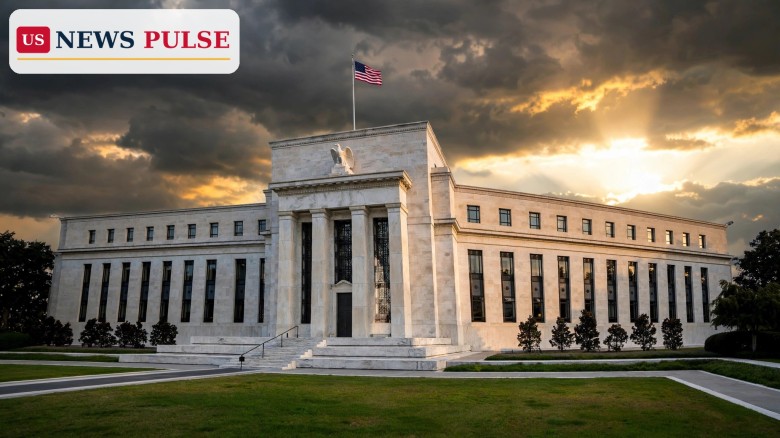
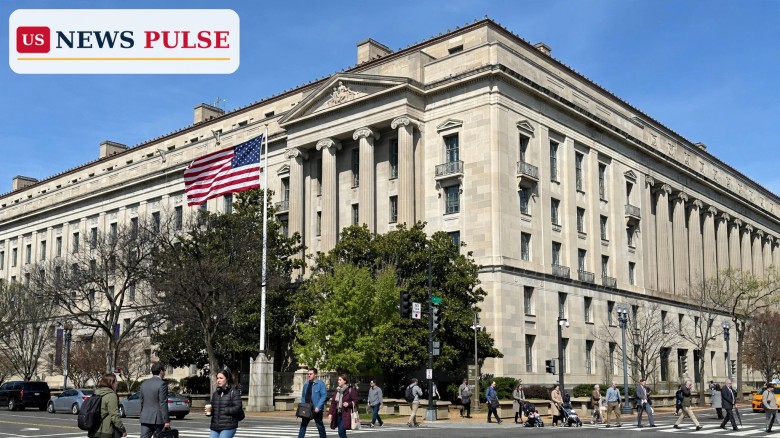
Washington, D.C. — Democrats' sweeping victory in the November 3 midterm elections has strengthened the Federal Reserve's guardrails against political pressure, giving the incoming Democratic Senate a powerful check on President Donald Trump's efforts to reshape the central bank, according to a Reuters report published on Wednesday, November 4, 2026. The result does not change the Fed's mandate, leadership, or next interest-rate decision on its own. But it changes the politics around all three, because Senate control brings control of confirmations — and with it, the ability to slow, block, or condition any nominee the White House sends to the seven-member board, at a moment when the Fed and the president openly disagree on rates.
Key Points
- Democrats' midterm sweep, including control of the Senate, strengthens the Federal Reserve's guardrails against White House pressure over appointments.
- The Fed's seven-member board includes three members appointed by former President Joe Biden, and former Chair Jerome Powell remains on the board.
- President Donald Trump has called the Fed's current configuration "hostile" and "partisan" and argues rates should be cut drastically.
- Trump's effort to fire Governor Lisa Cook continues, with a White House administrative procedure expected in coming weeks and a court challenge likely to follow.
- Democratic Senator Elizabeth Warren of Massachusetts is likely to replace Republican Senator Tim Scott of South Carolina as chair of the Senate Banking panel.
What Happened
Reuters reported on Wednesday that the Democrats' victory, and particularly their coming control of the US Senate, strengthens the Federal Reserve against the president's efforts to meddle with it. Senate control over appointments is described as a major guardrail against Trump landing more allies at the central bank, because no governor can take a seat without Senate confirmation. Trump has called the configuration "hostile" and "partisan". The policy divide is just as sharp: Trump argues the Fed needs to drastically cut interest rates, while policymakers, including Chair Warsh, have instead been raising rates to control high inflation.
Background/Context
The Federal Reserve was designed to be independent for a reason. Congress gave it a dual mandate — maximum employment and stable prices — and insulated its governors with long, staggered terms so monetary policy would not swing with every election cycle: governors serve 14-year terms and the chair serves a four-year term that can be renewed. That independence has been tested before, but the current moment combines several pressures at once — a president openly seeking lower rates, a board that has moved in the opposite direction to fight inflation, and a live effort to remove a sitting governor. The Supreme Court has already ruled against Trump once on ousting Governor Lisa Cook, underscoring the legal limits on removing a Fed governor without cause.
Federal Reserve Independence: Why Senate Control Matters
Senate control is the most concrete guardrail in this fight because it operates before a nominee ever reaches the boardroom. The Senate Banking Committee, which handles Fed nominations, can hold hearings, demand documents, question a nominee's record, and delay or advance a nomination, and its chair sets the tone and pace. Reuters reported that Democratic Senator Elizabeth Warren of Massachusetts, a harsh critic of Chair Warsh, is likely to replace Trump ally Senator Tim Scott of South Carolina as chair of the panel. That change would transform the confirmation dynamic: under Scott, a Trump nominee could expect a sympathetic hearing and a swift path to the floor, while under Warren, a nominee would face detailed scrutiny of their views on independence, inflation, and the Cook removal effort.
Reactions/Quotes
President Trump has made little secret of his frustration with the Fed's current leadership, calling its configuration "hostile" and "partisan" — words that frame the central bank not as a neutral technocratic institution but as a political actor, a framing Fed officials have firmly rejected. Fed policymakers, including Chair Warsh, have instead grounded their decisions in inflation data, raising rates to control high inflation, a stance that implicitly rejects the president's call for drastic cuts while inflation remains elevated. Legal observers are watching the Cook procedure closely, since the Supreme Court's earlier ruling established that a governor cannot simply be removed at presidential will, but a formal cause finding would test whether that calculus changes.
Why It Matters
For ordinary Americans, Federal Reserve independence shows up in the monthly mortgage payment, the interest on a car loan, the rate on a credit card, and the return on savings. For businesses, an independent Fed makes long-term investment planning more reliable, since companies deciding whether to build a factory or hire workers need to predict borrowing costs years ahead. Globally, the stakes are higher still, because the dollar is the world's reserve currency and US interest rates set a floor for borrowing costs almost everywhere. Politically, protecting the central bank from meddling can itself be presented as an affordability policy, because credible inflation-fighting keeps prices and borrowing costs steadier over time.
What Happens Next
The new Congress convenes on January 3, 2027, when Democrats will formally take control of the Senate and its committees and Warren's expected Banking chairmanship would become official. On nominations, the White House must decide whether to test the new Senate with a loyalist nominee or choose a mainstream candidate who can win bipartisan support — an early signal of how Trump intends to govern with a Democratic Congress. Markets will also watch the Fed's own next moves: with inflation still high, policymakers face a difficult judgement about whether to hold, raise, or eventually cut rates, and every decision will now be scrutinised for any sign of political influence.
Frequently Asked Questions
What does the Democratic Senate victory mean for the Federal Reserve?
It gives Democrats control of the confirmation process for Fed governors, including the Banking Committee's hearings and timetable, making it harder for the White House to install allies without broader Senate support.
Why is Federal Reserve independence important?
Independence allows the Fed to set interest rates based on economic data, such as inflation and employment, rather than on political calendars, which economists say keeps long-term borrowing costs lower and inflation expectations anchored.
What is happening with Governor Lisa Cook?
Trump has sought to fire Cook over mortgage-application errors predating her appointment. The Supreme Court already ruled against him once on ousting her, and a new White House procedure is expected in coming weeks, with a court challenge likely if a cause finding is announced.
Who is likely to chair the Senate Banking Committee?
Democratic Senator Elizabeth Warren of Massachusetts is likely to replace Republican Senator Tim Scott of South Carolina as chair of the panel, which handles Federal Reserve nominations and oversight.
Does the midterm result change interest rates immediately?
No. The Fed sets rates independently, and the election does not change its mandate or its current policymakers. The effect is on future appointments and political pressure, not on the next rate decision itself.
Related coverage: Fed Rate Decision Today: Dollar Hits Two-Week High as Markets Bet on a Hold and Wall Street Rally: Dow Jumps 1,203 Points as Democrats Take Over Congress.
Leave a Comment