
Garcia Sends Preservation Letters to Vance, Trump Family in Oversight Blitz
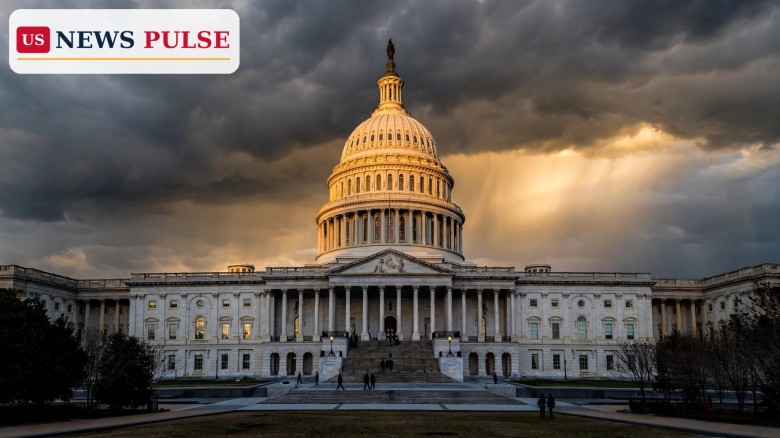
Incoming House Oversight Chair Robert Garcia sent 12 document-preservation letters on Wednesday, November 18, 2026, to Vice President JD Vance, members of Donald Trump's family and senior figures in the Trump administration. The Garcia preservation letters — Democrats' first formal move since voters handed them control of Congress on November 3 — target alleged pay-to-play in Trump family business dealings, a possible cover-up of the Epstein files at the highest levels, and misconduct at the Department of Homeland Security.
Key Points
- Garcia sent 12 preservation letters on Wednesday to JD Vance, Donald Trump Jr., Eric Trump, Jared Kushner, Stephen Miller and Todd Blanche, among others.
- The letters cover the Epstein files, alleged pay-to-play in Trump family business, and misconduct at the Department of Homeland Security.
- Judiciary Democrats separately opened a probe into Cantor Fitzgerald, the firm once led by Commerce Secretary Howard Lutnick and now run by his sons.
- Gregory Meeks demanded seven agencies preserve records on the Iran war, a Venezuela oil deal, Caribbean boat strikes and the dismantling of USAID.
- The notices compel no one to hand over documents, but signal the subpoena-backed investigations Democrats plan once they take committee control in January.
What Happened
Garcia sent the letters on Wednesday, November 18, 2026, as incoming chair of the House Oversight Committee. The recipients are Vice President JD Vance, Donald Trump Jr., Eric Trump, Jared Kushner, former ambassador Kimberly Guilfoyle, chief of staff Stephen Miller, Attorney General Todd Blanche, former DHS Secretary Kristi Noem, former DHS adviser Corey Lewandowski, former chief of staff Susie Wiles, Bureau of Prisons director William K. Marshall III and Catherine Townsend of the Trust for the National Mall.
The letters are tailored: those to Vance and Blanche focus on the Epstein files, while those to the Trump sons and Kushner focus on business conflicts of interest. A preservation letter formally demands that recipients keep every relevant document, message and record; it does not force anyone to hand material over, but destroying evidence after notice could carry serious consequences. Garcia framed the move as an answer to the midterm mandate: "Voters gave Congressional Democrats a sweeping mandate to root out corruption and ensure that the government is accountable to the people," he wrote. "We intend to act on that mandate in the 120th Congress by conducting the critically important oversight essential for legislative reform."
Background and Context
The letters land seven weeks before Democrats take control of both chambers in January 2027, when they will hold the gavels and subpoena power. Democrats swept the November 3 midterms, flipping both chambers, and Garcia of California will chair the Oversight Committee, the chamber's main investigative panel.
The move follows weeks of escalation. White House Counsel Will Scharf warned Garcia on November 9 that deterrent subpoenas "may cross the line into blatant criminality," and on November 16 ordered every agency to get White House approval before testifying to Congress. US Attorney Aaron Reitz has also sent preservation-demand letters to Democratic lawmakers, including a preliminary inquiry into Garcia himself. Garcia has said Democrats will open four investigations in January — into Epstein, Trump family corruption, DHS and ICE, and corporate corruption.
Garcia Preservation Letters Target Epstein Files, Family Business and DHS
The Epstein strand is likely to draw the most attention. The letters to Vance and Blanche focus on what Democrats describe as a cover-up of the Epstein files at the highest levels, a subject that has shadowed the administration for months. Democrats have pressed for the full release of the Epstein files, and Garcia's letters now put the vice president and the attorney general on notice to preserve their records.
The business strand reaches into the Trump family's commercial dealings, with the letters to Donald Trump Jr., Eric Trump and Jared Kushner focused on alleged pay-to-play schemes and conflicts of interest.
A third strand runs through the Department of Homeland Security, reaching Noem and Lewandowski, whom released messages showed holding secretary-level power over deportations. Separately, Judiciary Democrats led by Reps. Jamie Raskin, Gregory Meeks and Sydney Kamlager-Dove opened a probe into Cantor Fitzgerald over whether Lutnick's Megaspeed and Nvidia decisions helped his sons. The firm called the claims "inaccurate" and "baseless."
Reactions and Quotes
Garcia's message to the White House on election night was blunt: "Lawyer up." The White House counsel's office has pushed back hard, with Scharf warning Garcia the administration "will not be extorted." Garcia has said he will not be intimidated, calling the Reitz letter "clearly a threat."
Treasury Secretary Scott Bessent had earlier accused Lutnick of delaying a decision to label Megaspeed, the Nvidia customer accused of diverting AI chips to China, a possible national-security threat. Meeks added his own demand on Wednesday, asking the State Department and six other agencies to preserve records on the Iran war, a Venezuela oil deal, Caribbean boat strikes and the dismantling of USAID, with confirmation due by November 18.
Why It Matters
Preservation letters are the starting gun for congressional investigations, and they matter because they freeze the record. Recipients are expected to keep documents, messages and emails that might otherwise be deleted, and destroying them after notice can itself become a legal problem.
The move also matters politically. The Epstein files, the Trump family's business and the Department of Homeland Security are three of the administration's most sensitive subjects, and Democrats are now pursuing all three at once. With subpoena power arriving in January, the letters set up confrontations that will shape the second half of the Trump presidency.
What Happens Next
The first test comes quickly: Meeks has asked the seven agencies to confirm in writing by November 18 that they preserved the records he requested. Attention will then turn to whether the 12 recipients comply, challenge the letters, or ignore them.
The bigger moment comes in January, when Democrats take the gavels and the letters can be followed by subpoenas. Lutnick has already agreed to testify voluntarily before the Senate Banking Committee on December 10, and Garcia's four planned investigations are expected to lead the new Congress's agenda.
Frequently Asked Questions
What is a document-preservation letter?
A formal notice to keep all relevant documents, messages and records. It does not force anyone to hand material over, but creates a duty to preserve evidence.
Who received the 12 letters?
JD Vance, Donald Trump Jr., Eric Trump, Jared Kushner, Kimberly Guilfoyle, Stephen Miller, Todd Blanche, Kristi Noem, Corey Lewandowski, Susie Wiles, William K. Marshall III and Catherine Townsend.
Do the letters force anyone to hand over documents?
No. They signal the investigations Democrats plan once they gain committee control and subpoena power in January.
What is the Cantor Fitzgerald investigation about?
Judiciary Democrats are examining whether Lutnick's decisions on Megaspeed and Nvidia helped his sons' bottom line. The firm called the claims "inaccurate" and "baseless."
When will Democrats have subpoena power?
When the 120th Congress is seated in January 2027, Democrats will hold the committee gavels in both chambers and can issue subpoenas.
Related coverage: White House Orders Agencies to Get Approval Before Testifying to Congress | Reitz Opens Inquiry Into Oversight Chair Garcia Over Trump Probes | Bessent Publicly Blames Lutnick for Megaspeed Failure as WSJ Reports Job Fight
© 2026 US News Pulse. All rights reserved.
 Print
 Save