
White House Sidelines DHS Secretary Mullin After TV Blunders and Football Trip
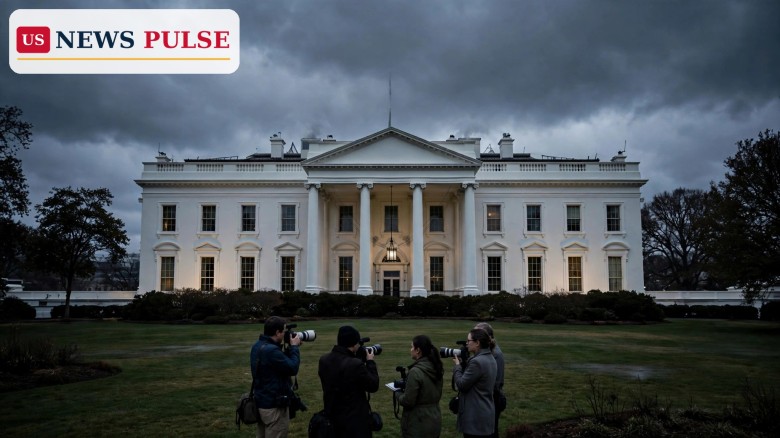
The White House has sidelined Homeland Security Secretary Markwayne Mullin from the Trump administration’s response to the series of technology outages that have rattled the country, after a string of head-scratching television interviews and a backlash over a family trip to a college football game while thousands of travellers were still stranded. The stand-down order, reported on Thursday, November 19, 2026, is a striking public rebuke of a cabinet secretary hand-picked by President Donald Trump earlier this year.
White House chief of staff Stephen Miller called Mullin to deliver the order while travelling with President Trump in Asia, according to the New York Post, which cited multiple sources. Director of National Intelligence Jay Clayton has stepped up to fill the gap, appearing on Fox Business Network on Tuesday, November 18, to tamp down fears of a cyberattack.
Key Points
- White House chief of staff Stephen Miller called Mullin to issue the stand-down order while travelling with President Trump in Asia, the New York Post reported.
- Director of National Intelligence Jay Clayton has stepped up, appearing on Fox Business Network on Tuesday, November 18, to tamp down cyberattack fears.
- Mullin was the first official to speak publicly after the FAA’s nationwide ground stop on Friday, November 13 — just under five hours, the longest in 25 years, with about 7,000 flights cancelled.
- On “Hannity” on Monday, November 16, Mullin said he had spoken with “one guy that’s very smart with tech” who suggested AI or superintelligence could be behind the outages.
- His family trip to the Texas-LSU game in Baton Rouge on Saturday, November 14 — flying on a government plane while travellers were stranded — triggered outrage.
What Happened
According to the New York Post report, published on Thursday, November 19, 2026, Mullin has been sidelined from the administration’s response to the tech meltdowns after his television appearances drew criticism at the White House. Miller telephoned Mullin while travelling with the president in Asia to issue the stand-down order, the report said, citing multiple sources familiar with the decision.
He was the first administration official to address the public on Friday, November 13, after the FAA ordered a nationwide ground stop. The stop lasted just under five hours — the longest in 25 years — and about 7,000 flights were cancelled. On “Hannity” on Monday, November 16, he said he had spoken with “one guy that’s very smart with tech” who suggested AI, or even superintelligence, could be behind the outages, and compared the outages to a contractor-homeowner change order.
By Tuesday, November 18, the messaging had shifted. Clayton appeared on Fox Business Network to tamp down cyberattack concerns, a role that would normally fall to the homeland security secretary. Former press secretary Karoline Leavitt praised the switch as a “good move”. A DHS spokesperson said on Thursday there is “no indication of a coordinated cyber attack or malign threat behind the recent tech outages”.
Background: A Week of Outages and Missteps
The crisis began on Friday, November 13, when the FAA ordered a nationwide ground stop, the longest in 25 years. Just under five hours passed before flights resumed, but about 7,000 flights were cancelled and airports filled with stranded passengers.
Mullin was the first administration official to face the cameras, but his appearances raised more questions than they answered. The AI theory was never backed by evidence.
The football trip made things worse. On Saturday, November 14, while thousands were still stranded, Mullin took his family to the Texas-LSU game in Baton Rouge on a government plane. On Wednesday, November 18, he devoted his entire opening statement at a House committee hearing to defending the trip.
White House Sidelines Mullin as Pressure Mounts
The decision reflects how quickly a cabinet secretary’s standing can collapse when a crisis and unforced errors collide. The outages were serious enough, but it was Mullin’s own handling — the unexplained AI theory, the confusing analogy and the football trip — that turned a difficult week into a political liability.
The choice of Clayton is telling. As director of national intelligence, he is not the official who would normally front a domestic infrastructure crisis, yet the White House saw his calm, measured tone as exactly what had been missing.
Reactions and Quotes
Former White House press secretary Karoline Leavitt publicly welcomed Clayton’s stepped-up role, calling it a “good move” — a rare public endorsement of one official taking over another’s duties. A DHS spokesperson said on Thursday there is “no indication of a coordinated cyber attack or malign threat behind the recent tech outages” and “no active threats to the homeland at this time”.
Mullin has not publicly commented on the stand-down order, and DHS has neither confirmed nor denied that he has been sidelined.
Why It Matters
The sidelining of a homeland security secretary in the middle of a national disruption raises questions about who is in charge of the response. DHS is responsible for protecting critical infrastructure, and its secretary is meant to be the public face of that work.
It also exposes the political cost of missteps during a crisis. With Democrats preparing to take control of Congress in January, self-inflicted damage is especially costly. Trump hand-picked Mullin to replace Kristi Noem earlier this year, and sidelining him so publicly suggests loyalty alone is not enough when a secretary becomes a liability on television.
What Happens Next
President Trump is due to hold a White House news conference at noon on Friday, and the outages — and Mullin’s status — are likely to be among the first questions. The president has not yet commented on the stand-down order, and his remarks will be watched for any sign of whether Mullin’s job is safe.
Clayton is expected to remain the public face of the response while investigators continue their work into what caused the failures. Mullin remains homeland security secretary, but the order leaves him weakened, and his future will depend on whether the president publicly backs him.
Frequently Asked Questions
Why was Markwayne Mullin sidelined?
After head-scratching television interviews about the outages — including his suggestion that AI or superintelligence could be behind them — and a backlash over his family trip to the Texas-LSU game on a government plane.
Who issued the stand-down order?
White House chief of staff Stephen Miller called Mullin while travelling with President Trump in Asia, according to the New York Post, citing multiple sources.
Who has taken over the public response?
Director of National Intelligence Jay Clayton, who appeared on Fox Business Network on Tuesday, November 18. Former press secretary Karoline Leavitt called it a “good move”.
Is Mullin going to lose his job?
It is unclear. He remains homeland security secretary. Trump hand-picked him to replace Kristi Noem earlier this year.
Was there a cyberattack behind the outages?
A DHS spokesperson said on Thursday there is “no indication of a coordinated cyber attack or malign threat behind the recent tech outages” and “no active threats to the homeland at this time”.
Related coverage: Mullin: US deportations will continue despite the Democrats’ midterm sweep and Trump told aides Stephen Miller had gone too far on deportations.
© 2026 US News Pulse. All rights reserved.
 Print
 Save