
Trump Favours Economic Stranglehold on Iran Over Renewed Strikes, Report Says
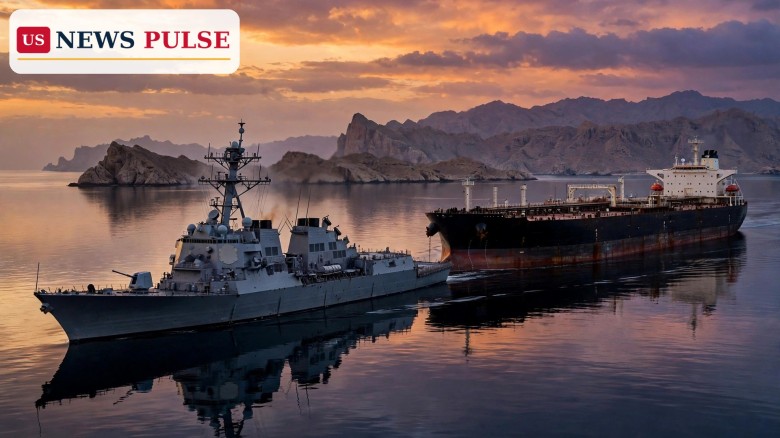
President Donald Trump has chosen economic pressure over bombs in the war with Iran, favouring an intensifying economic stranglehold on Tehran rather than renewed major military strikes, according to a new report. The decision, described by three diplomatic sources, comes as the United States naval blockade reaches 130 consecutive days.
Trump's advisers laid out four options: negotiate an agreement, launch another major offensive, carry out limited strikes on Iranian nuclear and military facilities, or intensify the economic campaign. The president favours the economic squeeze.
Key Points
- President Donald Trump reportedly favours intensifying the economic campaign against Iran over renewed major strikes, according to a Saturday report by Israel Hayom citing three diplomatic sources.
- Advisers presented four options: negotiate a deal, launch another major offensive, conduct limited strikes, or tighten the economic squeeze. Trump chose the economic route, backed by Marco Rubio, Scott Bessent and Howard Lutnick.
- The strategy includes pressing Gulf governments to shut Iranian oil-smuggling routes through Iraq, where crude is disguised as Iraqi or Kurdish oil and sent to ports in Syria or Turkey.
- US Central Command marked 130 consecutive days of the naval blockade on Saturday, saying it had stopped the Islamic Revolutionary Guard Corps exporting billions of dollars in crude.
- Iranian President Masoud Pezeshkian called it a "silent economic war" on Saturday, saying it could prove harder to endure than missile strikes, while Tehran warned it would do whatever it takes to break the blockade.
What Happened
Israel Hayom reported on Saturday, November 21, 2026, that Trump favours expanding the economic campaign among the four options his advisers presented, citing three diplomatic sources familiar with the deliberations.
The strategy has two thrusts: press Gulf governments to help shut Iranian oil-smuggling routes through Iraq, where crude is disguised as Iraqi or Kurdish oil and routed to ports in Syria or Turkey, while maintaining the naval blockade and protecting commercial shipping.
The choice matches Trump's recent signals. He has called another offensive "highly unlikely" and said he is in no rush to decide, and Vice President JD Vance declined this week to endorse renewed strikes.
Background and Context
The war began on February 28, 2026, when the United States and Israel launched a joint attack that killed Iran's top leader. A fragile ceasefire has formally held since April, though the two sides have exchanged fire since, including American strikes on an Iranian island and Iranian attacks on Kuwait and Bahrain.
The economic campaign, Operation Economic Outcast, began on August 24, 2026, aiming to end Iran's attacks on Gulf shipping and reopen the Strait of Hormuz. On Friday, November 20, the Treasury sanctioned four Iranians it called "oil trustees", accused of collecting money from illicit oil sales for Tehran.
Treasury said Iran has not loaded oil onto vessels since the operation began, and the blockade had previously prevented more than 25 billion dollars in Iranian oil exports.
Trump has also set his terms for a deal. In a Fox News interview on Saturday, he said any agreement must be "permanent" and stop Tehran acquiring a nuclear weapon, calling the new leadership "more rational" while questioning whether it can be trusted.
The Economic Stranglehold on Iran
The squeeze works by cutting off the money that funds the regime. Iran depends heavily on oil exports, and the blockade has stopped its tankers loading and sailing. The sanctions target the middlemen: the four trustees sanctioned on Friday were accused of collecting billions from earlier oil sales, often keeping the money, while Tehran kept using them.
Treasury Secretary Scott Bessent was blunt: "The regime has exhausted its seaborne oil supply, and it may never see the revenue from the oil it has already sold. The ship is sinking." The blockade is trapping money from sales already made, not just stopping new ones.
Closing the smuggling routes means leaning on Gulf governments to cooperate, and the report says regional leaders have pledged to pressure Baghdad.
Reactions and Quotes
Pezeshkian acknowledged the pressure on Saturday, calling the situation a "silent economic war" and warning it could prove harder to endure than missile strikes. He also admitted gas shortages predated the attacks on Iranian facilities.
Deputy Foreign Minister Kazem Gharibabadi was defiant, warning Tehran would take whatever measures necessary to break the blockade, which he called an act of war. "We will take whatever measures necessary to break it," he said, according to state broadcaster Press TV.
The White House has not publicly confirmed the Israel Hayom report.
Why It Matters
The choice sets the course of the war for months ahead. A renewed offensive would risk wider regional conflict, Iranian retaliation against Gulf states and a spike in oil prices. The economic route is slower and less visible, but it is already biting: Iran cannot sell its oil, its currency has fallen sharply, and its president warns the pain may be worse than bombing.
It also matters at home. Trump has tied the Iran outcome to petrol prices, saying he wants a real deal, not a fake one. The blockade keeps the war out of the headlines, but it depends on Gulf cooperation and on Iran not breaking it by force.
What Happens Next
Attention now turns to whether Gulf governments deliver on the smuggling crackdown and whether Tehran follows through on its threat. Any Iranian attempt to force tankers through the Strait of Hormuz would test the American naval presence, and Washington says it has total control over the strait.
Diplomacy is not dead: indirect talks continue through mediators in Pakistan and Oman, and Foreign Minister Abbas Araghchi said on Saturday that reopening the strait would not be difficult if Washington accepts reasonable terms. For now, the administration is betting the squeeze brings Tehran to the table before strikes become necessary.
Related coverage: US sanctions four Iranian oil trustees in crackdown on secret oil cash, Trump vows Iran deal must be permanent, calls new leaders 'more rational' and Esper warns Iran war could last until 2029 as blockade squeezes Tehran.
Frequently Asked Questions
What did Trump reportedly decide about Iran?
According to Israel Hayom, citing three diplomatic sources, Trump favours intensifying the economic campaign over renewed major strikes, backed by Marco Rubio, Scott Bessent and Howard Lutnick.
What were the four options?
Negotiate an agreement, launch another major offensive, conduct limited strikes on nuclear and military facilities, or intensify the economic campaign. Trump reportedly chose the economic option.
How long has the blockade lasted?
US Central Command marked 130 consecutive days on Saturday, November 21, 2026, saying it had stopped the IRGC exporting billions of dollars in crude oil.
What is Operation Economic Outcast?
The Treasury campaign, launched August 24, 2026, to end Iran's attacks on Gulf shipping and reopen the Strait of Hormuz. On November 20 it sanctioned four Iranians accused of acting as oil trustees for Tehran.
How has Iran responded?
President Masoud Pezeshkian called it a "silent economic war" that could prove harder to endure than missile strikes, while Deputy Foreign Minister Kazem Gharibabadi warned Tehran would take whatever measures necessary to break the blockade, calling it an act of war.
© 2026 US News Pulse. All rights reserved.
 Print
 Save