

 | Today's Date:
US Sanctions Four Iranian Oil Trustees in Crackdown on Secret Oil Cash
The United States on Friday sanctioned four men the Treasury Department calls Iranian "oil trustees", accusing them of collecting billions of dollars from secret oil sales abroad and funnelling the money to Tehran while dodging American sanctions and a US naval blockade. The designations, announced on November 20, 2026, are the latest strike in Operation Economic Outcast, the Treasury's campaign to end Iran's attacks on Gulf shipping and reopen the Strait of Hormuz.
Treasury Secretary Scott Bessent said Iran "has exhausted its seaborne oil supply, and it may never see the revenue from the oil it has already sold. The ship is sinking." The four men were added to the Office of Foreign Assets Control's Specially Designated Nationals list, freezing any assets under United States jurisdiction and effectively barring them from dollar transactions.
Key Points
- The Treasury sanctioned four Iranians — Mohammad Javad Bavand, Majid Taj, Mohammad Hossein Servati and Mojtaba Arabnejad — as "oil trustees" collecting revenues from illicit oil sales.
- The four were added to OFAC's Specially Designated Nationals list, freezing any assets under United States jurisdiction and effectively barring dollar transactions.
- Treasury says members of the Bavand-Taj network owe the Iranian government billions of dollars from earlier oil sales, in many cases keeping the revenues for personal gain.
- The action is part of Operation Economic Outcast, the Treasury's stepped-up economic pressure campaign launched on August 24, 2026.
- Treasury says no Iranian oil has been loaded onto vessels since the operation began, and none remains at sea outside the United States military blockade.
What Happened
The Treasury said the four — Mohammad Javad Bavand, Majid Taj, Mohammad Hossein Servati and Mojtaba Arabnejad — collected money from illicit international oil sales for Tehran. Bavand, a former intelligence officer in Iran's Islamic Revolutionary Guard Corps, spearheaded the cash-raising effort, the department said. Taj is the brother of Iranian Football Federation president Mehdi Taj; Servati is the son of IRGC Brigadier General Mohsen Servati; and Arabnejad is the son of Hamid Arabnejad, chief executive of the sanctioned airline Mahan Air.
Treasury said members of the Bavand-Taj network owe Tehran billions of dollars from earlier oil sales, in many cases keeping the revenues for personal gain, yet Tehran keeps using them because it has few other ways to turn its oil into cash. The designations freeze any property the men hold under United States jurisdiction and prohibit Americans from dealing with them.
Background: Operation Economic Outcast and the Blockade
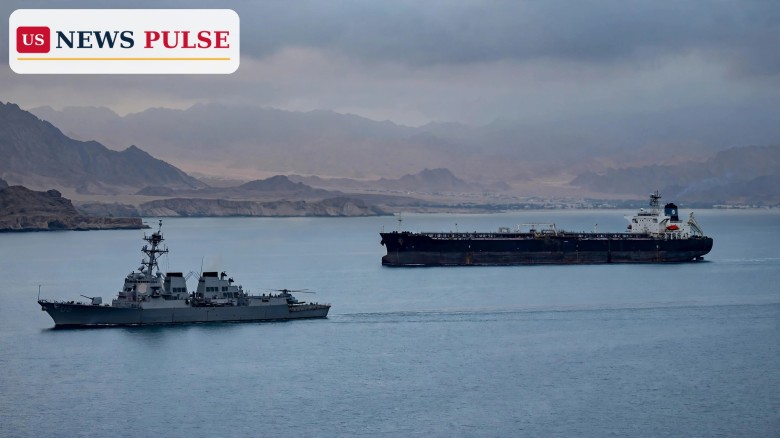
The sanctions are part of Operation Economic Outcast, launched on August 24, 2026, to end Iran's attacks on Gulf shipping and reopen the Strait of Hormuz, the narrow waterway through which a large share of the world's seaborne oil passes. The campaign pairs financial measures against the people and companies that move Iranian oil with a United States military blockade that intercepts tankers and enforces the sanctions at sea.
The pressure comes in the ninth month of a war between the United States and Iran that began on February 28, 2026, fought in near-daily strikes and shadowed by repeated attacks on commercial shipping. Iranian forces have struck tankers near the strait in recent weeks, including mine strikes that set supertankers ablaze, while crude flows through the waterway have roughly halved. The war has cost the United States an estimated 48.3 billion dollars.
Iran Oil Trustees Sanctions: Who the Four Men Are
The announcement reads like a map of the Iranian establishment's family ties. Bavand's background as a former IRGC intelligence officer gave him the contacts and cover to run a clandestine oil business, the Treasury said. The other three are the sons and brother of prominent figures: Taj is the brother of the head of Iranian football; Servati is the son of an IRGC brigadier general; and Arabnejad is the son of the chief executive of Mahan Air, an airline already under United States sanctions over its role in moving people and cargo for the Revolutionary Guards.
Reactions
Bessent framed the designations as proof the economic campaign is working, saying Iran may never see the revenue from oil it has already sold. The Treasury said no Iranian oil has been loaded onto vessels since the operation began and none remains at sea outside the blockade.
Why It Matters
Oil money is the fuel of the Iranian state, and the trustees were the pipeline that carried it. If the Treasury's account is right, the network was both a lifeline and a leak: it kept some revenue flowing to Tehran while diverting billions into private hands. Cutting it off denies the government cash for the war effort and signals to every other middleman in the shadow oil trade that Washington is now naming individuals, not just companies and ships. It also raises the stakes for buyers and shippers in Asia and the Middle East, since dealing with a designated person now carries the risk of secondary sanctions.
What Happens Next
The designations take effect immediately, and enforcement falls to banks, insurers and shipping companies, which must screen the four men out of their transactions or risk penalties. The Treasury has used this playbook before, following up with further rounds against the companies, vessels and bank accounts that support a network, and more names could follow. Diplomacy remains the other track: Iran's foreign minister has laid out conditions for reopening the strait, while President Donald Trump said Iran wants a deal "but they don't want to make a deal that's acceptable to me". Whether pressure produces talks or more escalation will be decided in the coming weeks.
Frequently Asked Questions
Who are the four Iranians sanctioned?
Mohammad Javad Bavand, a former IRGC intelligence officer; Majid Taj, brother of Iranian Football Federation president Mehdi Taj; Mohammad Hossein Servati, son of IRGC Brigadier General Mohsen Servati; and Mojtaba Arabnejad, son of sanctioned Mahan Air chief executive Hamid Arabnejad.
What is an "oil trustee"?
An intermediary who collects payment for illicit Iranian oil sales abroad, holds the money on Tehran's behalf and passes some of it back to the government, operating outside formal banking channels.
What does the designation do?
It adds the men to OFAC's Specially Designated Nationals list, freezing assets under United States jurisdiction and effectively barring dollar transactions, with secondary-sanctions risk for anyone who deals with them.
What is Operation Economic Outcast?
The Treasury's economic pressure campaign, launched on August 24, 2026, aimed at ending Iran's attacks on Gulf shipping and reopening the Strait of Hormuz by cutting off oil revenues.
Has Iranian oil stopped flowing?
The Treasury says no Iranian oil has been loaded since the operation began and none remains at sea outside the blockade, though crude flows through the strait had already roughly halved since the war began in February 2026.
Related coverage: US and Israel Weigh New Iran Strikes as IDF Raises Readiness to Highest Level; Iran Diplomacy Deal: Araqchi Seeks 'Good, Honourable and Dignified' Agreement; Iran War Cost Hits $48.3 Billion as Pentagon Tells Congress Base Damage Excluded.

The US News Pulse newsroom covers breaking news across the United States and the world, working from wire services, official statements and on-the-record sources. Every story is reviewed against our editorial standards before publication. Corrections and tips: info@usnewspulse.com
About our newsroomLeave a Comment