
Waymo Issues Double Safety Recall After California Freeway Ban Over Construction-Zone Flaw
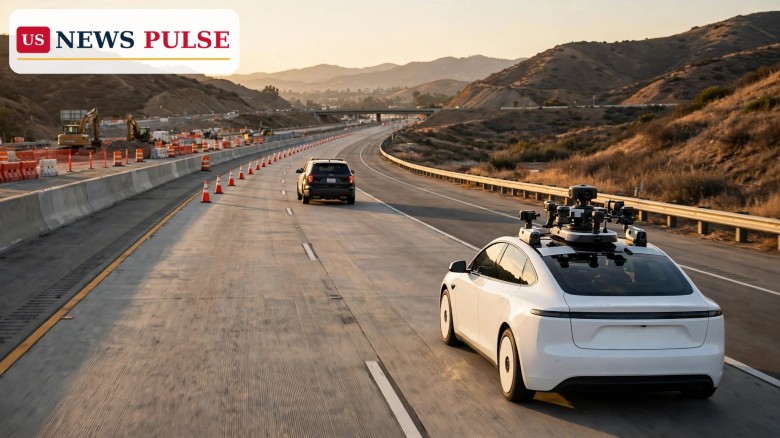
Waymo has filed two voluntary safety recalls with the US National Highway Traffic Safety Administration, days after California barred its driverless cars from the state's freeways. The recalls, filed on Thursday, November 20, 2026, aim to fix the software that let Waymo vehicles enter closed freeway lanes and misread manual traffic control at intersections. The move follows the California Department of Motor Vehicles' order, effective November 11 and made public on November 17, that called Waymo's freeway operations an "imminent hazard to public safety" after repeated incursions into construction zones.
Key Points
- Waymo filed two voluntary NHTSA recalls on November 20, 2026, to fix how its system handles closed freeway lanes and intersections under manual traffic control.
- The recalls follow California's November 11 ban on Waymo freeway operations, which the DMV called an "imminent hazard to public safety".
- On November 5, three Waymo vehicles entered a construction closure on US Route 101 near Burlingame, and another tried to pass patrol cars running a traffic break on I-280.
- No collisions or injuries were reported in the freeway-lane incidents; surface-street service continues at 500,000-plus trips a week.
- The freeway ban stays until Waymo demonstrates effective corrective actions to the California DMV.
What Happened
The two recalls, filed with the National Highway Traffic Safety Administration on Thursday, November 20, 2026, cover separate software weaknesses. The first targets how Waymo's driving system navigates closed freeway lanes, the failure behind the November 5 incursions into a coned-off construction zone on US Route 101 near Burlingame. The second covers intersections where traffic is directed by hand, after a collision in which a Waymo vehicle followed an officer's directions and then lost sight of him.
The recalls landed nine days after the California Department of Motor Vehicles barred Waymo's driverless vehicles from operating or testing on any freeway in the state, effective November 11. The order, made public on November 17, cited recurring incursions into construction zones. Waymo suspended freeway operations in every US market — Austin, Miami, Phoenix, Los Angeles County and the San Francisco Bay Area — while keeping surface-street service running.
Background and Context
The November 5 incidents were the trigger. Three Waymo vehicles entered an active construction closure on US Route 101 near Burlingame, driving into lanes shut to traffic. Another tried to pass California Highway Patrol cars conducting a traffic break on I-280 in San Francisco, in which officers slow traffic to clear a hazard. The DMV said the pattern showed a recurring problem, not a single error. As our report on the freeway ban detailed, the order was issued on November 11 and confirmed publicly six days later.
Freeway driving was the next frontier for a fast-growing city-street service. Waymo now completes more than 500,000 trips a week, and freeway routes would let it serve airport runs and longer journeys. That growth has drawn closer scrutiny: the safety agency opened a probe into 2,895 Waymo vehicles over school-bus stops, covered in our report on the school-bus probe, and two Waymo robotaxis were caught in a Phoenix crash that hospitalised three people, covered in our report on the Phoenix crash. Both are separate from the freeway-lane cases.
A voluntary recall is the industry's standard route for a software fix. The manufacturer tells NHTSA what is wrong and how it will fix it, and the agency monitors the remedy. In California, the DMV holds a separate lever: it controls the permits for driverless testing and deployment on public roads, and it can suspend them until the company proves its fix works.
Waymo Double Safety Recall Targets Construction-Zone Software
Construction zones are among the hardest places for a driverless system to read. Lanes shift overnight, cones and barriers replace painted lines, temporary signs contradict permanent ones, and flaggers give directions with hand signals that vary from person to person. A system trained on orderly traffic must recognise that the usual rules no longer apply and slow down, wait or reroute. The second recall points to the same problem at intersections: when an officer directs traffic by hand, the car must keep watching that officer continuously, because a brief loss of sight can turn a followed instruction into a wrong turn.
Reactions and Quotes
The DMV's language was unusually blunt for a regulator. By calling Waymo's freeway operations an "imminent hazard to public safety", it signalled a live risk rather than a paperwork failure, and tied the ban directly to the construction-zone incursions. The order leaves the company with a clear test: demonstrate effective corrective actions before any Waymo vehicle returns to a California freeway.
Waymo has acted on both fronts at once. It pulled freeway operations in all of its markets, not only California, and filed the two recalls voluntarily rather than waiting for the safety agency to order them. The wider industry will be watching: California is the largest robotaxi testing ground in the United States, and its regulator has now shown it will act within days of a repeated failure.
Why It Matters
The recall matters first because freeways are central to Waymo's growth. Airport runs and long suburban trips are the journeys that make a robotaxi service useful to far more people than short city hops, and every month off the freeways slows that expansion. The two recalls also show where the technology's limits still sit: not in routine driving, but in the messy, temporary, human-directed situations that appear without warning on real roads.
It also tests the regulatory loop. Within nine days of the ban, the company had filed formal recalls to fix the named failures, and the regulator has a concrete standard — demonstrated corrective action — to judge before freeways reopen. For riders, that is reassuring: a failure was found, the cars were pulled from the hardest roads, and the fix is now on the record.
What Happens Next
Waymo will now roll out the updated driving software to its fleet while NHTSA monitors the remedy. Separately, the company must convince the California DMV that the fixes work in practice, not only on paper, before the freeway ban lifts. No date has been given for a return to freeway driving, and the ban has no fixed end. Surface-street service continues in all markets at more than 500,000 trips a week.
Frequently Asked Questions
Why did Waymo recall its robotaxis?
Waymo filed two voluntary recalls on November 20, 2026, to fix software that let its vehicles enter closed freeway lanes and misread intersections with hand-directed traffic.
What did California ban?
The California DMV barred Waymo's driverless vehicles from operating or testing on any freeway in the state, effective November 11, 2026, calling the operations an "imminent hazard to public safety".
Was anyone hurt in the freeway incidents?
No collisions or injuries were reported in the freeway-lane incidents. A separate collision in the filing involved a vehicle that followed an officer's directions and then lost sight of him.
Can I still ride in a Waymo?
Yes. The ban covers freeways only; surface-street service continues in all US markets at 500,000-plus trips a week.
When can Waymo return to California freeways?
Only when it demonstrates effective corrective actions to the California DMV. No date has been given.
© 2026 US News Pulse. All rights reserved.
 Print
 Save