
Warren Demands Probe as ICE Detainee Locator Erases Thousands From Public System
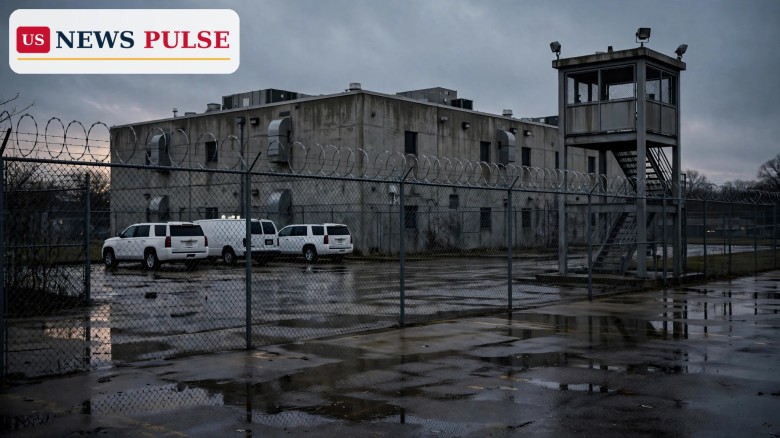
Twenty-one US senators have asked the Department of Homeland Security's watchdog to investigate why Immigration and Customs Enforcement has erased thousands of detained immigrants from the public system families and lawyers use to find them. In a letter sent Sunday, November 22, 2026, Senator Elizabeth Warren of Massachusetts and 20 colleagues urged Inspector General Joseph V. Cuffari to examine the removals from the ICE detainee locator system, which they say began around September 15. The senators argue the erasures strip away a basic transparency safeguard when more than 70,000 people are held in ICE detention, about 80 percent more than in December 2024.
Key Points
- Warren and 20 colleagues wrote to DHS Inspector General Joseph V. Cuffari on November 22, 2026, demanding an investigation.
- Thousands of detainees with final removal orders have reportedly vanished from the ICE detainee locator since September 15, 2026.
- The senators say it came without public notice and blocks habeas petitions in the right court.
- They ask when it happened, how many were affected, and whether staff were told to hide locations.
- More than 70,000 people are in ICE custody, about 80 percent more than in December 2024.
What Happened
The letter, led by Warren and joined by Senators Chris Van Hollen of Maryland and Ben Ray Luján of New Mexico along with 18 colleagues, asks the inspector general to find out what happened to the detainees who disappeared from the locator and why. The senators cite a September 30 submission to the United Nations Working Group on Enforced or Involuntary Disappearances, which said thousands of people with final removal orders had vanished from the public system since mid-September.
ICE created the locator after years of concern about abuses in detention, so families, attorneys and the public could track immigrants in deportation proceedings. The senators say deleting people from it does the opposite of what the system was built for. “Erasing detained individuals from a public searchable system eliminates transparency,” they wrote. The letter asks Cuffari when the change occurred, how many were affected, whether ICE told staff to withhold locations, and whether those removed were transferred, deported or needed medical care.
Background: The Locator and the People Who Vanished From It
The Online Detainee Locator System is the only public tool that lets a family member, a lawyer or a journalist find out where ICE is holding someone. A name search returns the facility; without it, there is often no way to know whether a person is in California, Louisiana or Texas, or already deported. That matters because a lawyer must file a habeas petition in the federal court district where the person is detained, and filing in the wrong district can cost days a detained person does not have.
The senators' letter is not the first time a detainee has vanished from the system. In September, Dr Ann Lawani, a 39-year-old Nigerian-born nurse, was arrested at her home in Lodi, California, and moved through Stockton, Bakersfield and El Paso to the South Louisiana ICE Processing Center. For nearly two months she did not appear in the public locator, and her family did not know where she was. Representative Josh Harder demanded her release in October, and a judge blocked her removal while her habeas petition is pending. Warren has pressed ICE before, including a 2026 inspection of the Burlington facility.
ICE Detainee Locator: What the Senators Want the Watchdog to Find
The four questions go to the heart of the dispute. First, the senators want a date: when did ICE start removing people with final removal orders from the locator? Second, a number: how many were affected, so the scale is on the record. Third, whether ICE instructed staff to withhold locations, which would show deliberate policy rather than a technical failure. And fourth, the outcomes: whether those taken off the system were transferred, deported or in need of medical care while hidden from their families and lawyers. A technical failure would demand a fix; a deliberate instruction to hide locations would suggest the agency is evading the oversight the locator was built for.
Reactions
The senators frame the issue as basic accountability rather than immigration policy. Their argument is that a government holding tens of thousands of people should not be able to make those people unfindable, and that the locator exists precisely so detention does not become disappearance. They warn the erasures hamper timely habeas petitions and put detainee safety at risk amid concerns about medical neglect inside facilities.
The letter draws on the record the senators say is already public: the September 30 submission to the UN Working Group, which documented the pattern, and individual cases such as Lawani's. The inspector general's office has not said publicly whether it will open an investigation, and ICE has not publicly explained the removals.
Why It Matters
The locator is a small piece of infrastructure with an outsized role. Without it, a family may learn a relative has been detained and then have no way to find them, and a lawyer may not know which court can hear the case. In a system holding more than 70,000 people, even a small failure rate means hundreds of people cut off from legal help and from their families. The UN submission also makes it an international complaint, invoking enforced disappearance. If the watchdog finds ICE deliberately hid locations, it would strengthen calls in Congress for tighter controls; if it finds a technical fault, the fix is straightforward, but the senators say the delay has already cost people their chance to challenge detention in time.
What Happens Next
The inspector general will decide whether to open a formal investigation, and how broadly to scope it. Any report would become a public record the new Congress can use when it takes office in January. The senators could also escalate, through hearings or legislation, if the watchdog declines to act or if ICE does not restore the missing records. For now, families and lawyers are left checking a system the senators say no longer lists everyone it should.
Frequently Asked Questions
What is the ICE Online Detainee Locator System?
A public search tool showing where ICE holds a detained immigrant, so families and lawyers can find them.
How many detainees have disappeared from it?
Thousands with final removal orders since September 15, 2026, per a September 30 UN submission; the exact number is what the senators want.
Who asked for the investigation?
Elizabeth Warren and 20 colleagues, including Chris Van Hollen and Ben Ray Luján, wrote to DHS Inspector General Joseph V. Cuffari on November 22, 2026.
Why does it matter for lawyers and families?
Without one, a lawyer cannot file a habeas petition in the right court district, and relatives cannot check on a detainee's safety or medical care.
What happens next?
The inspector general decides whether to investigate; the senators may escalate through hearings or legislation if it declines or the records are not restored.
Related Coverage
© 2026 US News Pulse. All rights reserved.
 Print
 Save