
Democrats Vow to Reverse Trump's SNAP Cuts as 5.5 Million Lose Food Aid
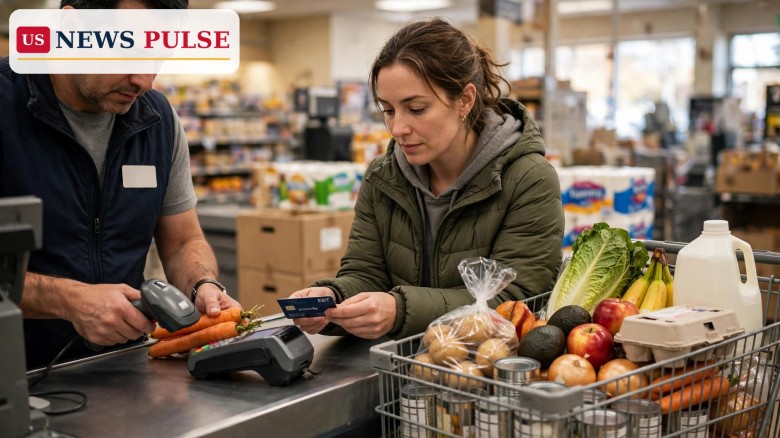
Top Democrats in Congress have pledged to undo President Donald Trump's cuts to food aid as soon as they take control of both chambers in January, after more than 5.5 million Americans lost Supplemental Nutrition Assistance Program (SNAP) benefits since his July 2025 tax law took effect. The promise, reported by Reuters on Tuesday, November 24, 2026, sets up one of the new Congress's first major fights, as Democrats vow to reverse a $187 billion cut — about 17 percent of the programme — that has already pushed millions off food stamps. How they would do it, however, remains unclear.
Key Points
- More than 5.5 million people have lost SNAP benefits since July 2025, when President Trump's tax law cut the programme by $187 billion, or about 17 percent.
- Democrats say they will reverse the cuts when they take control of the Senate and House in January, although the exact route is unclear.
- More than 200 House Democrats signed a November 18 letter urging Agriculture Secretary Brooke Rollins to repeal a proposed rule narrowing SNAP eligibility.
- Senate Democratic leader Chuck Schumer vowed to fight "Trump's cuts to food stamps" alongside tariffs and the war in Iran.
- A separate USDA proposal could strip benefits from 6.3 million more people in fiscal 2029, including 1.8 million children.
What Happened
Reuters reported on Tuesday that senior Democrats have committed to reversing the food-aid cuts once they hold both chambers, as the party prepares to take power after its sweeping victories in the November 3 midterm elections. Democrats will hold 259 seats in the House — their largest majority since 1992 — and a 56-seat Senate majority when the new Congress convenes on January 3, 2027. It is the clearest signal yet that food assistance will be an early priority, although leaders have not said how they would act.
The push is already under way. More than 200 Democratic representatives signed a letter on November 18 to Agriculture Secretary Brooke Rollins urging her to repeal the administration's proposed rule narrowing broad-based categorical eligibility, the mechanism letting states automatically enrol households receiving certain state help.
Background and Context
The cuts trace back to the tax and spending law Congress passed in July 2025, which reduced SNAP by $187 billion — roughly 17 percent of the programme — and has already cost more than 5.5 million people their benefits, according to Reuters. SNAP, known as food stamps, is the country's largest anti-hunger programme, serving about 36 million Americans with average benefits of roughly $350 a month. The losses have fallen heavily on working families, seniors and people with disabilities.
The administration moved to cut eligibility further on November 10, when the Agriculture Department published a proposed rule narrowing broad-based categorical eligibility. Under the proposal, signed by Deputy Secretary Stephen Vaden, automatic eligibility would be limited to households receiving cash assistance under the Temporary Assistance for Needy Families programme, rather than the non-cash services 46 states now use to qualify households. The department estimates about 6.3 million people would lose benefits in fiscal 2029, and about 1.8 million children could lose automatic free school meals. It would save about $44.6 billion over fiscal 2027 to 2031; comments close December 10, 2026.
What the SNAP Cuts Mean for Families
For the families affected, the cuts have meant smaller grocery budgets while food prices stay high. The Center on Budget and Policy Priorities, which analysed the administration's proposals, says the people losing help are primarily working families with children, seniors and people with disabilities — households that often earn too much for traditional welfare but too little to cover food without assistance.
Reactions and Quotes
Senate Democratic leader Chuck Schumer put the pledge in blunt terms in an email, saying: "Senate Democrats will fight against Trump's cuts to food stamps, his tariffs, his war, and all other policies that are stretching Americans thin." The comment tied food aid to the affordability message Democrats carried through the midterms.
Incoming House Speaker Hakeem Jeffries made the same promise days earlier. On CBS's Face the Nation on Sunday, November 22, he said: "We need to reverse the Medicaid cuts. We need to restore SNAP benefits." Jeffries has said Democrats should move "aggressively" in the first week of the new Congress on their early agenda, which also includes ending the war in Iran. See our report on Jeffries's first-week agenda.
The Agriculture Department has defended the eligibility changes, saying the proposed rule closes a "loophole" and preserves benefits "for the truly needy." Critics dispute that, arguing the rule would mainly hit working families. The department has not yet responded publicly to the November 18 letter.
Why It Matters
Food assistance is now one of the clearest tests of what Democrats will do with the power voters handed them on November 3. The party won its majorities in part on promises to lower the cost of living, and SNAP — which reaches roughly one in nine Americans — is the most direct lever Congress has over household food budgets. Restoring benefits would also be an early, visible win before harder fights over health care, tariffs and the war in Iran.
The stakes are also practical. Thanksgiving falls this week, and food banks traditionally see their busiest period in late November and December. Any delay means another holiday season in which millions of families who lost benefits must rely on charitable food while the eligibility rule moves toward finalisation.
What Happens Next
The new Congress convenes on January 3, 2027, and the farm bill committees that write food-aid law will have new Democratic leadership. In the House, Representatives Shontel Brown, Don Davis and Jim Costa are jockeying for the top Democratic spot on the Agriculture Committee; in the Senate, Michael Bennet and Sherrod Brown are vying for the equivalent role.
Before then, the immediate deadline is December 10, when the public comment period on the eligibility rule closes. If the administration finalises the rule before January, Democrats could try to overturn it with legislation or a congressional resolution, as well as passing a bill reversing the 2025 law's cuts. Whether Republicans cooperate remains open.
Frequently Asked Questions
How many people have lost SNAP benefits? More than 5.5 million people have lost Supplemental Nutrition Assistance Program benefits since President Trump's July 2025 tax law, which cut the programme by $187 billion, or about 17 percent.
What have Democrats pledged to do? Top Democrats have pledged to reverse the cuts when they take control of the Senate and House in January, although the exact legislative route is unclear.
What is the proposed USDA eligibility rule? Published on November 10, it would narrow broad-based categorical eligibility so only households receiving cash assistance qualify automatically; the USDA estimates 6.3 million more people could lose benefits in fiscal 2029.
When does the new Congress take office? The new Congress convenes on January 3, 2027, with Democrats holding 259 House seats and a 56-seat Senate majority.
What is SNAP? The Supplemental Nutrition Assistance Program, known as food stamps, is the largest US anti-hunger programme, serving about 36 million Americans.
© 2026 US News Pulse. All rights reserved.
 Print
 Save