


 | Today's Date:





USDA Proposes Cutting Food Stamps for 6.3 Million in SNAP Eligibility Shake-Up
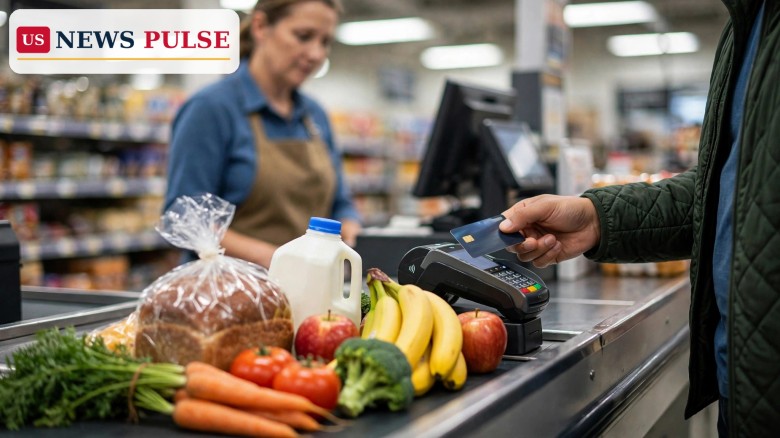
The US Department of Agriculture has proposed a rule that would remove about 6.3 million people from SNAP, the Supplemental Nutrition Assistance Program and the nation's largest food aid programme, in the most sweeping tightening of food stamp eligibility in years. Published on Tuesday, November 10, the proposal would narrow the route 46 states now use to enrol households automatically, and the department estimates it would save $44.6 billion over five years. Nothing changes immediately: the public has 30 days to comment, and no one loses benefits until a final rule is issued and phased in.
Key Points
- The USDA published a proposed rule on November 10 narrowing “broad-based categorical eligibility” for SNAP, the food stamp programme.
- About 6.3 million people in 3.2 million households — nearly 18 percent of SNAP recipients — would lose benefits in fiscal 2029, the first year the rule would be fully in effect.
- About 1.8 million children could also lose automatic eligibility for free school meals.
- The department projects about $44.6 billion in reduced federal spending over fiscal 2027 to 2031.
- The public can comment through December 10, 2026, under docket FNA-2026-0661. The proposal is not final and changes no one's benefits now.
What Happened
The proposed rule, signed by Deputy Secretary Stephen Vaden, would rewrite how households qualify for SNAP automatically. Under the current system, known as broad-based categorical eligibility, states can enrol households for food stamps if they receive even a small benefit funded by Temporary Assistance for Needy Families — for example, job training or child-care vouchers. Forty-six states use that route today.
The proposal would end that practice. Automatic eligibility would be limited to households receiving TANF cash “assistance” for ongoing basic needs, such as rent, food or clothing. Households that qualify only through a non-cash service would have to apply separately and meet the standard income and asset tests — and many would not pass.
The department estimates that about 6.3 million people in 3.2 million households would lose benefits in fiscal 2029. That is nearly 18 percent of everyone now receiving food stamps. About 1.8 million children could also lose automatic eligibility for free school meals. The department projects about $44.6 billion in reduced federal spending over fiscal 2027 to 2031, or about $15 billion a year once the change is fully phased in, according to the Center on Budget and Policy Priorities.
A second proposed rule published the same day would implement the expanded SNAP work requirements from the 2025 reconciliation law.
Background: How SNAP Eligibility Works
SNAP, commonly known as food stamps, helps low-income households buy groceries, with benefits loaded onto an electronic card. Enrolment stands at about 36 million people, after more than 5.5 million people already lost benefits since President Donald Trump enacted cuts in his July 2025 tax law.
Broad-based categorical eligibility was designed to simplify the system. Instead of forcing families to prove eligibility twice — once for TANF-funded services and again for SNAP — states could treat receipt of a TANF-funded benefit as enough to qualify. Supporters say it cuts paperwork and reaches working families whose earnings sit just above the standard SNAP income limit. Critics say it lets states enrol households Congress never intended to cover.
The programme has been at the centre of legal and political fights this year. During the federal shutdown, two federal judges ordered the USDA to keep food aid flowing for about 42 million recipients, ruling it had to use contingency funds rather than suspend benefits. The new proposal arrives as those shutdown-era battles are still fresh, and as food banks report sustained high demand.
SNAP Eligibility Rule: Who Would Lose Food Stamps
The households most likely to be affected are those just above the standard income limits — families that earn too much to qualify for SNAP under the regular test but qualify today because their state counts a TANF-funded service toward eligibility. According to the Center on Budget and Policy Priorities, those losing help would be primarily working families with children, seniors and people with disabilities.
The scale of the change is what sets it apart. Losing 6.3 million recipients in a single rule would be one of the largest contractions of the programme in its history, and the knock-on effect on school meals would reach a further 1.8 million children whose free lunches are certified automatically through SNAP.
Reactions
The USDA says the change closes a “loophole” and preserves benefits “for the truly needy.” The department argues that automatic eligibility through non-cash services has allowed households with incomes well above the poverty line to receive food stamps, and that narrowing the route restores the programme to its intended purpose.
The Center on Budget and Policy Priorities disputes that characterisation. It says the people who would lose help are primarily working families with children, seniors and people with disabilities — households that use SNAP to bridge the gap between low wages and the cost of food — and it puts the annual savings at about $15 billion once the rule is fully phased in.
Why It Matters
Food stamps are the largest single defence against hunger in the United States, and a cut of this size would be felt in grocery stores, schools and food banks in every state. The 46 states that use broad-based categorical eligibility would all have to rework their enrolment systems, and the 3.2 million households affected would have to reapply or go without.
The timing adds to the impact. Enrolment has already fallen by more than 5.5 million people since the July 2025 tax law, and food banks have reported demand remaining far above pre-pandemic levels.
What Happens Next
The public has 30 days to comment on the proposal, through December 10, 2026, under docket FNA-2026-0661. The USDA must review the comments before issuing a final rule, with fiscal 2029 as the first year it would be fully in effect.
The second proposed rule will move through its own comment process. Until a final rule is issued, no one's benefits change, and households now receiving SNAP through broad-based categorical eligibility remain enrolled. For context on the shutdown fight, see our report on the funding bill that ended the federal shutdown.
Frequently Asked Questions
Would anyone lose food stamps immediately?
No. The proposal is not final. It changes no one's benefits now, and the USDA must review public comments before issuing a final rule.
What is broad-based categorical eligibility?
It lets states enrol households for SNAP automatically if they receive a TANF-funded benefit, including non-cash services such as job training or child-care vouchers. Forty-six states use it today.
How many people would be affected?
The USDA estimates about 6.3 million people in 3.2 million households — nearly 18 percent of SNAP recipients — would lose benefits in fiscal 2029, and about 1.8 million children could lose automatic free school meals.
Why does the USDA say the change is needed?
The department says it closes a “loophole” and preserves benefits “for the truly needy,” arguing that non-cash services have let higher-income households qualify for food stamps.
How can the public comment?
Comments are open through December 10, 2026, under docket FNA-2026-0661 in the Federal Register.
Leave a Comment