
American Christopher Payne Still Jailed in Japan After Conviction Overturned
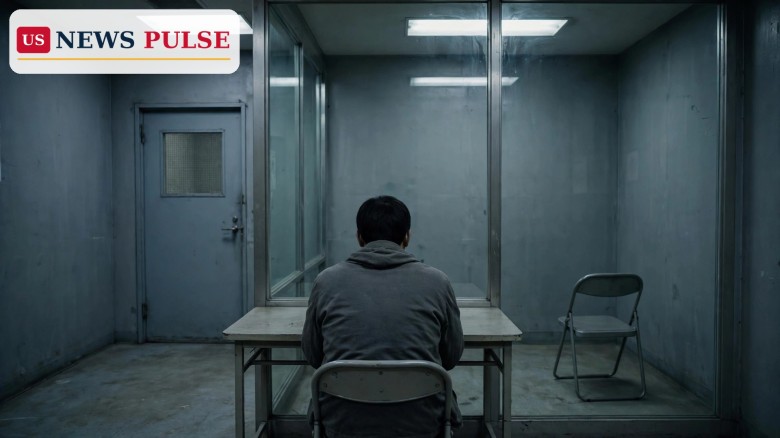
Christopher Payne, a 34-year-old American from Crown Point, Indiana, is still behind bars in Japan nearly a year after a court overturned his conviction, his health failing and no retrial date in sight. Payne moved to Japan in 2013 to pursue professional wrestling. Arrested in 2021 over a July 2018 sexual assault in Ichikawa, Chiba prefecture — a crime he has always denied — he was convicted in July 2024 and sentenced to eight years. On December 11, 2025, the Tokyo High Court threw out that verdict and ordered a retrial, yet Payne remains in custody, bail repeatedly denied, in what he calls "purgatory".
Key Points
- Christopher Payne, 34, from Crown Point, Indiana, remains jailed in Japan even though the Tokyo High Court overturned his conviction on December 11, 2025, and ordered a retrial.
- He was convicted in July 2024 and sentenced to eight years over a July 2018 sexual assault in Ichikawa, Chiba prefecture, which he has always denied.
- The conviction was overturned after a US forensic DNA consultant found the crime-scene DNA files appeared edited to resemble Payne's DNA more closely.
- No retrial date has been set, and bail has been repeatedly denied, leaving him in custody for nearly five years since his 2021 arrest.
- His health is failing — he has coughed up blood, suffered convulsions and now needs a wheelchair — while his mother pleads for US help.
What Happened
Payne was arrested in 2021, three years after the alleged assault in Ichikawa, in Chiba prefecture east of Tokyo. He has maintained his innocence throughout. Convicted in July 2024 and sentenced to eight years, he challenged the forensic evidence at the heart of the case. An independent forensic DNA consultant in the United States examined the crime-scene files and found they appeared to have been edited to more closely resemble Payne's DNA — raising serious questions about the evidence used to convict him.
On December 11, 2025, the Tokyo High Court agreed the conviction could not stand. It overturned the verdict and ordered a retrial, a rare outcome in Japan. But the ruling did not free Payne. He remains in detention while prosecutors prepare the retrial, no date for it has been set, and his bail applications have been refused again and again.
Background and Context
Payne moved to Japan in 2013, drawn by the country's professional wrestling scene. His arrest in 2021 upended it. The case rested heavily on DNA evidence from the 2018 incident, and for years his family argued the evidence did not add up. The independent American consultant's analysis proved decisive: it suggested the DNA files had been altered to look more like a match to Payne than they originally were.
The High Court's decision was a significant moment: acquittals and overturned convictions are uncommon in Japan, where prosecutors bring cases they expect to win. The retrial order meant the case would start again from scratch — but in Japan, a defendant awaiting retrial can remain in custody, and bail is far from automatic. That is the legal limbo Payne now inhabits: acquitted of the conviction, but not free, and not yet retried.
Christopher Payne Jailed in Japan: The DNA Evidence That Changed the Case
The forensic DNA findings sit at the centre of this story. The US consultant concluded the crime-scene DNA files appeared edited to more closely resemble Payne's DNA. That conclusion, if it holds up in the retrial, would undermine the key evidence behind the original conviction — and it was enough for the Tokyo High Court to order the case reheard.
The retrial will have to revisit the forensic record in full. Until then, the DNA question hangs over the case unresolved: the conviction is gone, but the evidence behind it has not been tested again in court. For Payne, the vindication remains incomplete, and his freedom depends on a second trial with no date.
Reactions and Quotes
Payne has described his situation as "purgatory" — neither convicted nor free, held for months after the court ordered a new trial. His health has deteriorated sharply in custody. He has coughed up blood and suffered convulsions, and now needs a wheelchair. His requests for a proper medical examination have been rejected, although prosecutors say he is receiving appropriate care.
His mother has become his most persistent advocate. From northwest Indiana, Ronda Payne has written hundreds of emails and letters to members of Congress, other elected representatives and the US Embassy, asking them to intervene. She says she feels abandoned. The State Department says embassy staff have regularly visited Payne, most recently on October 27, to verify fair, transparent and humane treatment.
Why It Matters
Payne's case matters first because of what it says about forensic evidence. If crime-scene DNA files can be altered to resemble a suspect, the reliability of evidence in other cases is called into question too. The High Court took that concern seriously — but Payne's continued detention almost a year later shows how slow justice can be even after a court has ruled for the defendant.
It also matters for Americans living abroad. Payne moved to Japan for a wrestling career; he now faces years more in a foreign prison system while a retrial is arranged. His mother's sense of abandonment reflects a broader question families ask when a citizen is detained overseas: what does the US government do when one of its own is held in a case where the evidence itself is in doubt?
What Happens Next
The immediate question is when the retrial will be scheduled. Until a date is set, Payne stays in custody, and his lawyers are expected to keep pressing for bail and a proper medical examination. His health is now the most urgent concern. Watch for a retrial date from the Tokyo courts, a fresh bail decision, and any State Department or congressional statement responding to Ronda Payne's campaign.
Frequently Asked Questions
Why is Christopher Payne still in jail if his conviction was overturned?
The Tokyo High Court overturned his conviction on December 11, 2025, and ordered a retrial. A defendant awaiting retrial can remain in custody in Japan, and his bail applications have been repeatedly denied.
What was he convicted of?
He was convicted in July 2024 and sentenced to eight years over a sexual assault in July 2018 in Ichikawa, Chiba prefecture. He has always denied the charge.
What did the DNA consultant find?
An independent US forensic DNA consultant found the crime-scene DNA files appeared edited to more closely resemble Payne's DNA — a finding central to overturning the conviction.
What is wrong with his health?
He has coughed up blood, suffered convulsions and now needs a wheelchair. His requests for a proper medical examination have been rejected, although prosecutors say he receives appropriate care.
What has the US government done?
The State Department said embassy staff have regularly visited Payne, most recently on October 27, to verify fair, transparent and humane treatment. His mother says she feels abandoned.
Related: Somaliland Detains Five Americans Over Security Fears, Then Lets Them Leave | Venezuela Frees 39 Political Prisoners After US-Backed Talks | Trump Demands Japan Triple US Troop-Hosting Costs to $19 Billion
© 2026 US News Pulse. All rights reserved.
 Print
 Save