


 | Today's Date:

Trump Demands Japan Triple US Troop Hosting Costs to $19 Billion Over Five Years
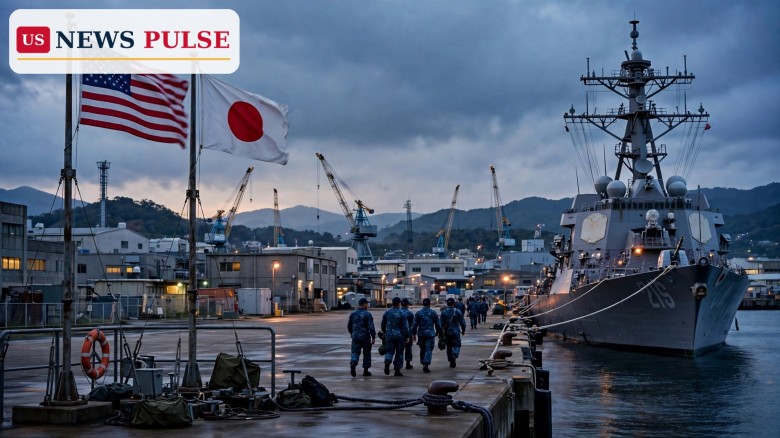
The Trump administration has demanded that Japan more than triple what it pays to host American troops, seeking over 3 trillion yen — about $19 billion — over five years. Japan is weighing a much smaller rise, of roughly half the amount Washington wants.
The demand, reported by Kyodo News on Thursday, November 12, 2026, covers the next five-year host-nation support package, starting in fiscal 2027.
Key Points
- Washington wants more than 3 trillion yen, about $19 billion, over five years to host US troops from fiscal 2027.
- Japan is considering about 1.5 trillion yen instead — roughly half the US demand.
- The current deal totals 1.06 trillion yen, about 211 billion yen a year, so the demand would roughly triple the annual cost.
- The next package may fund hardening US bases against attack, pushing yearly costs above 300 billion yen.
- Both sides aim for a deal by year-end, with more talks expected possibly next week.
What Happened
Sources familiar with the matter told Kyodo News that the Trump administration wants Japan to spend more than 3 trillion yen over the five years from fiscal 2027 to support the American military presence. The figure, about $19 billion, would replace the current deal, under which hosting costs were set at 1.06 trillion yen for fiscal 2022 to fiscal 2026, ending next March. That is around 211 billion yen a year now; tripling it would mean roughly 633 billion yen a year, a jump of more than 400 billion yen annually.
Tokyo is looking at paying roughly 1.5 trillion yen over the five years, about half of what Washington has requested. One diplomatic source put it plainly, saying that while paying 3 trillion yen over five years would be difficult to accept, there was a possibility of paying around 1.5 trillion yen. The figures have come from sources familiar with the discussions, not from a public announcement by either government.
Background: The 'Sympathy Budget' and the US-Japan Alliance
Japan's payments for hosting American forces are known as the "sympathy budget," a nickname reflecting the long domestic debate over how much Japan should pay for a foreign military presence. The money is paid under the bilateral Status of Forces Agreement and covers Japanese employees at US bases, utilities for American facilities, and the cost of moving military exercises.
President Trump pressed Japan on the same issue during his first term, arguing that wealthy allies should shoulder more of the cost of American protection. The current package was agreed under the Biden administration. Cost-sharing talks for the next package began in earnest in Tokyo this summer, and both governments aim to settle the deal by the end of the year.
Japan Troop Hosting Costs: What the $19 Billion Would Cover
The headline figure is only part of the story. The next package is expected to include spending to beef up the resilience and survivability of US military facilities in Japan in the event of an attack — a new element reflecting concern in both capitals about regional security. That resilience spending alone could total more than 300 billion yen a year, so the shape of the package is changing as well as its size.
Instead of paying more for the same things, Japan would fund work to make American bases harder to hit and quicker to recover if attacked. At about 633 billion yen a year, the US demand is three times the roughly 211 billion yen Japan pays now. Tokyo's figure of about 1.5 trillion yen over five years would mean roughly 300 billion yen a year — a rise of more than 40 percent, but only half of what Washington wants.
Reactions: A Wide Gap, and a Careful Silence
Neither government has publicly confirmed the figures, which is typical of cost-sharing talks, where both sides avoid locking in public positions while bargaining continues. The one voice quoted in the reporting is the diplomatic source who said that while 3 trillion yen would be difficult to accept, paying around 1.5 trillion yen was possible — suggesting Tokyo will move a long way, but not all the way to Washington's number.
Mr Trump's history on the issue adds weight to the demand in Tokyo. He pressed Japan on host-nation support in his first term, and burden-sharing has been a central theme of his approach to allies. The next round of talks, expected possibly next week, will test how much room there is to move.
Why It Matters
The outcome will shape the US-Japan alliance for the next five years and beyond. Japan hosts American forces under a security treaty that has anchored the US military presence in Asia for decades, and the cost-sharing deal is one of the most visible measures of how the two countries divide the burden. A deal near the American figure would be a major shift in what Japan pays, with consequences for Tokyo's defence budget as Japan already spends more on its own military.
The talks also set a precedent. Other American allies watch the Japan negotiations closely, because the outcome signals how hard the Trump administration will push on burden-sharing elsewhere. For Japan, the stakes are political as well as financial: the "sympathy budget" has always been controversial at home, and a sharp increase must be explained to a public already being asked to accept higher defence spending.
What Happens Next
Negotiators are expected to meet again possibly next week, with both governments aiming for an agreement by the end of the year. The current package runs through March, so a deal struck by December would leave time to settle details before the new five-year period begins in fiscal 2027. The gap is wide — more than 3 trillion yen against around 1.5 trillion — and any movement in the reported figures will show whether the negotiation is converging or the two sides remain far apart.
Frequently Asked Questions
How much is the US asking Japan to pay?
More than 3 trillion yen, about $19 billion, over five years from fiscal 2027 — roughly triple the current 1.06 trillion yen package.
How much is Japan considering paying?
Roughly 1.5 trillion yen over five years, about half of what Washington is demanding.
What does the money cover?
Japanese staff at US bases, utilities, and moving military exercises, plus expected new spending to make US facilities more resilient against attack.
When will the two sides reach a deal?
More talks are expected possibly next week, and both governments aim to agree by the end of the year. The current deal expires at the end of March 2027.
Has Trump asked Japan to pay more before?
Yes. He pressed Japan on the same issue in his first term. The current package was agreed under the Biden administration.
Related coverage: Kushner says US working toward largest prisoner exchange of Ukraine war | Four tankers hit by explosions in Strait of Hormuz as Iran says two more strike mines | Ukraine peace talks restart after Witkoff-Putin Moscow meeting, envoys say
Leave a Comment