
Judge Upholds Mamdani's NYC Rent Freeze Covering One Million Apartments
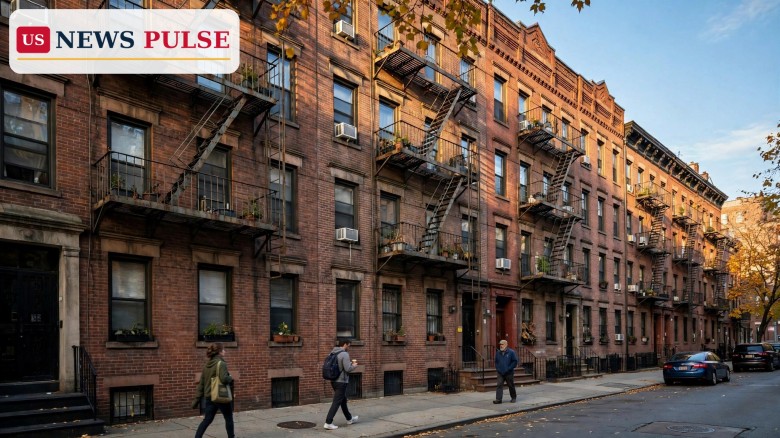
A Manhattan judge has upheld New York City Mayor Zohran Mamdani's rent freeze for nearly one million rent-stabilized apartments, a major court victory for his signature campaign promise. In a 20-page decision issued on Wednesday, November 25, 2026, Manhattan Supreme Court Justice Brendan Lantry dismissed a lawsuit by landlords who argued that the Rent Guidelines Board's vote for the freeze went through a "sham process." The ruling keeps rents flat at 0 percent for one- and two-year leases, affecting more than two million New Yorkers in rent-stabilized homes.
Key Points
- Justice Brendan Lantry upheld Mayor Zohran Mamdani's rent freeze for nearly one million rent-stabilized apartments in a 20-page decision on Wednesday, November 25, 2026.
- The freeze sets 0 percent increases on one- and two-year leases from October 1, 2026, to September 30, 2027, for more than two million New Yorkers.
- Lantry ruled the freeze "has a rational basis and must therefore be upheld as valid," finding landlords failed to prove the board acted unreasonably, arbitrarily or at City Hall's direction.
- Landlords led by Kenilworth Holdings sued in July, arguing the board manipulated data and was illegally influenced by the mayor; the judge rejected those claims.
- The Rent Guidelines Board voted 7-1 in June to approve the freeze, Mamdani's marquee campaign promise. The landlords can appeal.
What Happened
The landlords sued in July, weeks after the Rent Guidelines Board voted 7-1 in June to freeze rents on the city's rent-stabilized apartments. Led by Kenilworth Holdings and represented by former deputy mayor Randy Mastro, they claimed the board manipulated data and was illegally influenced by the mayor. They asked the court to throw the decision out.
Justice Lantry rejected that case in full. He ruled the freeze "has a rational basis and must therefore be upheld as valid," and that the landlords had failed to prove the board acted unreasonably, arbitrarily or at City Hall's direction. A board decision stands if it has a rational basis, and the landlords did not clear that bar.
The judge did not spare the mayor's own words. Lantry called Mamdani's campaign pledge "reckless and irresponsible," but said it was inconsequential to the case. A campaign promise is not evidence that the board's vote was rigged or directed from City Hall, the decision found.
Background and Context
The Rent Guidelines Board is the nine-member panel that sets annual rent adjustments for New York City's rent-stabilized apartments, the largest stock of regulated housing in the country. Its June vote of 7-1 delivered the freeze Mamdani had made the centrepiece of his campaign for mayor. The freeze applies to one- and two-year leases from October 1, 2026, through September 30, 2027.
Rent stabilization covers close to one million apartments, roughly half of the city's rental housing. For tenants, a renewal lease signed in the freeze window carries no increase at all. For landlords, it means a year without the annual adjustment they rely on to cover rising costs.
The ruling lands in the first weeks of Mamdani's mayoralty. The mayor has also moved on other fronts, including a pied-a-terre tax that has billed only 7,500 owners more than $500 million. The federal government recently seized the Newark Housing Authority and removed its entire board.
NYC Rent Freeze: What It Means for Tenants and Landlords
For tenants, the ruling removes the last legal doubt over the coming year. Any tenant in a rent-stabilized apartment whose lease renews between October 1, 2026, and September 30, 2027, will see a 0 percent increase, whether they sign for one year or two. It is the largest affordability measure now in force in the city.
For landlords, the decision is a setback, but not necessarily the end of the fight. The suit argued the process itself was tainted, and the court found the landlords had not proved it. The ruling does not say the freeze is good policy; it says the board's decision was lawful.
The stakes are large on both sides: tenants gain a year of flat rents where housing costs dominate household budgets, while owners lose a year of increases across nearly one million units. The court weighed only whether the board acted within its authority.
Reactions and Quotes
Justice Lantry's decision is blunt about the limits of the landlords' case. He ruled the freeze "has a rational basis and must therefore be upheld as valid," and found the landlords had failed to show the board acted unreasonably, arbitrarily or at City Hall's direction.
The judge was equally direct about the mayor's campaign language, calling Mamdani's pledge "reckless and irresponsible" while ruling that it was inconsequential to the case. The landlords had called the board's process a "sham process" driven by City Hall; the court found no proof of that. They can appeal.
Why It Matters
This ruling matters because of its scale. Nearly one million apartments and more than two million New Yorkers are covered by the freeze, one of the broadest housing decisions a New York court has upheld in years. A ruling the other way would have thrown renewal leases across the city into uncertainty.
It also matters as a test of the new mayor's agenda. The rent freeze was Mamdani's marquee campaign promise, and the first major piece of it to be tested in court. The decision gives his administration a legal foundation for the freeze and signals that courts will not lightly overturn the board's judgments.
Finally, the ruling clarifies the rules for future board votes. A board decision survives if it has a rational basis, even when the mayor has campaigned loudly for the outcome. That standard will shape the next annual vote.
What Happens Next
The freeze is now in force for leases beginning October 1, 2026, through September 30, 2027. Tenants renewing in that window will sign at 0 percent, and landlords must apply the frozen rate while the ruling stands.
The landlords can appeal, and an appeal is the obvious next step for a case built around the integrity of the board's process. Until an appeals court says otherwise, the freeze holds. The board will also begin its next annual cycle.
Frequently Asked Questions
What did the judge decide?
Manhattan Supreme Court Justice Brendan Lantry upheld Mayor Zohran Mamdani's rent freeze, ruling it "has a rational basis and must therefore be upheld as valid" and dismissing the landlords' lawsuit.
How many apartments does the freeze cover?
Nearly one million rent-stabilized apartments in New York City, home to more than two million New Yorkers.
When does the freeze apply?
To one- and two-year leases beginning October 1, 2026, through September 30, 2027, with 0 percent increases.
Why did the landlords sue?
Landlords led by Kenilworth Holdings said the board manipulated data and was illegally influenced by the mayor. The judge rejected those claims.
Can the ruling be appealed?
Yes. The landlords can appeal, and the freeze stays in force unless a higher court says otherwise.
© 2026 US News Pulse. All rights reserved.
 Print
 Save