
Trump Approves Florida Disaster Declaration for Flooding in Six Counties
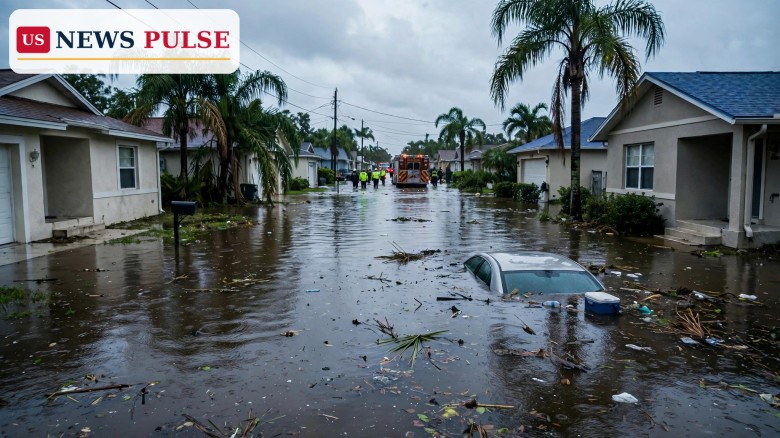
President Donald Trump has approved a major disaster declaration for Florida, unlocking federal aid in six counties hit by severe storms and flooding that began on October 31. Signed on Tuesday, November 24, the declaration opens Individual Assistance for homeowners and renters in Brevard, Indian River, Martin, Okeechobee, Palm Beach and St. Lucie counties, and Public Assistance for debris removal and emergency work in those counties plus Hardee County. Palm Beach County alone estimates it needs about $53 million, nearly $35 million for individuals and families and more than $18 million for local governments.
Key Points
- Trump signed the major disaster declaration on November 24, 2026 (FEMA disaster DR-4956), for severe storms and flooding in Florida from October 31, 2026, and continuing.
- Individual Assistance, grants for housing and repairs plus low-cost loans for uninsured losses, is available in Brevard, Indian River, Martin, Okeechobee, Palm Beach and St. Lucie counties.
- Public Assistance for debris removal and emergency work is available in those six counties plus Hardee County.
- Palm Beach County officials estimate about $53 million is needed countywide: nearly $35 million for residents and more than $18 million for local governments.
- It does not cover the second storm round of November 17-20, so Broward, Volusia and Flagler counties are not listed; Governor Ron DeSantis has filed a second request for them.
What Happened
The declaration answers a request Governor Ron DeSantis filed on November 9, which reported that 2,973 homes had been affected. Approval came 15 days later, after bipartisan advocacy from Florida's congressional delegation. Representative Lois Frankel held a press conference across from Mar-a-Lago hours before Trump signed, pressing for federal help.
Residents in the six counties can now apply for FEMA Individual Assistance: grants for temporary housing and home repairs, and low-cost loans for uninsured losses. Local governments in the six counties, plus Hardee County, can seek Public Assistance for debris removal, emergency protective measures and recovery costs. FEMA named Brett H. Howard as the Federal Coordinating Officer.
Background: Weeks of Water Across the Peninsula
The flooding began on Halloween and did not let up. The first round of storms, from November 1 to 5, swamped Florida's east coast, with Brevard County among the hardest hit. Schools closed as rain totals climbed past 11 inches in places. The state of emergency Governor DeSantis declared in seven counties was expanded to 14, and then to 21, and the St. Johns River broke a 73-year flood record.
A second round arrived on November 17-20 and hit a different part of the state. More than a foot of rain fell on Hollywood and Broward County, flooding streets and homes in South Florida. Days earlier, forecasters had warned of a rare moderate risk of excessive rainfall on the Space Coast. The two rounds left Florida dealing with overlapping disasters in different counties at once, which is why the federal response has split into two tracks: one declaration for the first round, and a second request still pending for the second.
The gap matters because the declaration's incident period decides who qualifies: Broward, Volusia and Flagler counties were hit in the second round, so their residents cannot yet apply under DR-4956.
Florida Disaster Declaration: What the Aid Covers
Individual Assistance is the part of the declaration that reaches households directly. Eligible residents in the six counties can receive grants for temporary housing, essential home repairs, and help replacing essential personal property. Low-cost loans from the Small Business Administration are available for losses that insurance does not cover. Residents can apply through FEMA's disaster assistance website or the FEMA mobile app, documenting the damage and their losses.
Public Assistance reimburses state and local governments for the cost of the emergency response and the repair of public infrastructure: clearing debris, emergency protective measures, and repairing roads, bridges and public buildings. The federal government typically covers 75 percent of those eligible costs. Palm Beach County's $53 million estimate shows the split: nearly $35 million for residents, more than $18 million for local governments.
Reactions
Palm Beach County officials moved quickly to put a number on the damage, estimating about $53 million in assistance needed countywide. The split, nearly $35 million for residents and more than $18 million for local governments, shows how costly the October 31 flooding was in one county.
Representative Lois Frankel, whose district includes much of Palm Beach County, pressed the case publicly in the hours before the declaration was signed, holding a press conference across from Mar-a-Lago. Her push was part of a bipartisan effort by Florida's congressional delegation, which had urged the White House to act since November 9.
DeSantis has already moved on to the counties left out: his second request asks for a declaration covering the November 17-20 storm round, including Broward, Volusia and Flagler counties. FEMA also announced $400 million on November 23 for earlier disasters, including Hurricane Ian.
Why It Matters
A major disaster declaration is the switch that turns federal money on. Before November 24, flooded homeowners in the six counties could rely on state help, insurance and their own savings; now they can apply for federal grants and loans. For families whose homes took on water on October 31 and stayed wet for days, that is the difference between a repair they can afford and one they cannot.
The declaration arrived 15 days after the governor's request, a wait that stretched across the Thanksgiving holiday. The approval closes that argument for the first round, but the same question now hangs over the second round, where counties that flooded on November 17-20 are still waiting.
What Happens Next
Residents in Brevard, Indian River, Martin, Okeechobee, Palm Beach and St. Lucie counties can now apply for Individual Assistance through FEMA's disaster assistance website and mobile app. Federal Coordinating Officer Brett H. Howard will oversee the federal recovery operation, working with state and local officials.
Local governments in the six counties plus Hardee County will begin submitting Public Assistance claims for debris removal and emergency costs. The next decision belongs to the White House: Governor DeSantis's second request, covering Broward, Volusia, Flagler and other counties hit in the November 17-20 round, is still pending.
Frequently Asked Questions
Which counties qualify for individual assistance?
Residents of Brevard, Indian River, Martin, Okeechobee, Palm Beach and St. Lucie counties.
What does Individual Assistance cover?
Grants for temporary housing and home repairs, help replacing essential personal property, and low-cost loans for losses that insurance does not cover.
Does the declaration cover the flooding of November 17-20?
No. It covers flooding from October 31, 2026, and continuing; a second request is pending for counties flooded November 17-20.
How much aid does Palm Beach County need?
County officials estimate about $53 million: nearly $35 million for individuals and families and more than $18 million for local governments.
How do residents apply for FEMA aid?
Through FEMA's disaster assistance website or mobile app, with documentation of the damage and losses.
© 2026 US News Pulse. All rights reserved.
 Print
 Save