
US Shelves Russia Business Deals to End Ukraine War After Moscow Cools, FT Reports
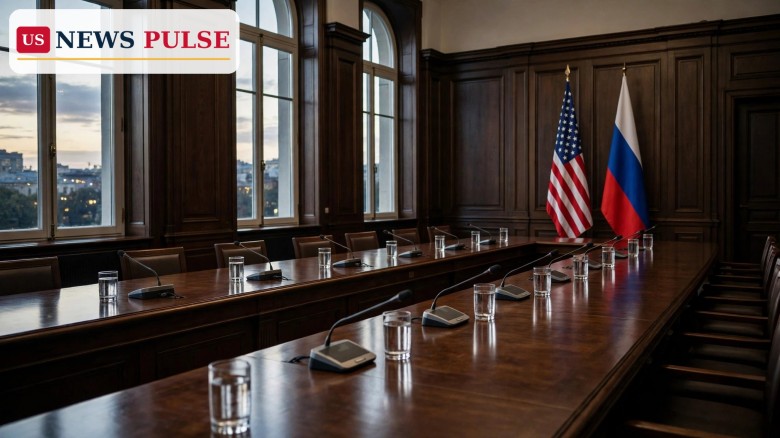
The Trump administration has shelved its proposals to use business deals with Russia as an incentive to end the war in Ukraine, after Moscow showed little interest in the commercial offers, the Financial Times reported on Tuesday, November 25. Citing five officials briefed on the change, the newspaper said the decision marks a significant shift in Washington's approach to the nearly five-year-old war. Envoys Jared Kushner and Steve Witkoff have told European officials that corporate cooperation with Moscow is no longer a core pillar of the American pitch, and that territory and security are now the primary focus.
Key Points
- The Trump administration has shelved proposals to use business deals with Russia as an incentive to end the Ukraine war, the Financial Times reported, citing five officials.
- Moscow showed little interest in the energy and aviation ventures and insisted on territorial concessions instead.
- Envoys Jared Kushner and Steve Witkoff told European officials that corporate cooperation is no longer a core pillar of the US pitch.
- The focus has shifted to territory and security, including Russia's demand that Ukrainian forces leave Donbas.
- A US official called the report "inaccurate", saying the business-deal track "remains one of the elements".
What Happened
The Financial Times reported on Tuesday, November 25, that the Trump administration has shelved its proposals to use business deals with Russia as an incentive to end the war in Ukraine. Citing five officials briefed on the change, the newspaper said Moscow is not moved by commercial offers.
Over recent months, envoys Jared Kushner and Steve Witkoff had floated postwar commercial ventures to Russian officials, expecting financial incentives could persuade President Vladimir Putin to halt the war: American investment in Russian oil extraction and titanium production, resumed Russian oil and gas pipeline deliveries to Europe, and restored US airlines' overflight and transit rights through Russian airspace.
Russian officials initially reacted positively, according to the report, but later cooled. Moscow insisted instead on territorial concessions, including Ukraine surrendering territory and accepting other terms Kyiv considers unacceptable. Kushner and Witkoff have since told European officials that corporate cooperation is no longer a core pillar of the American pitch.
Background: The Commercial Pitch That Did Not Land
The business-deal pitch was one of the most distinctive features of the administration's Ukraine approach. Rather than relying only on pressure, sanctions and military aid, the White House offered Moscow a commercial prize for ending the fighting: postwar trade, energy and aviation deals worth billions.
The logic was that Russia's economy, strained by nearly five years of war and sanctions, would welcome a path back to Western markets. American firms could invest in Russian oilfields and titanium mines, Russian gas could flow again to Europe, and American carriers could fly over Russian territory to Asia again.
But the premise did not hold, the reporting suggests: US officials have concluded that Putin's drive to win the war is not governed by commercial calculations. Moscow's demands have stayed fixed on territory. At trilateral talks in Abu Dhabi on November 10, Russian representatives reiterated their demand that Ukrainian forces withdraw from Donbas, which President Volodymyr Zelenskyy has repeatedly rejected. Those talks ended without a ceasefire deal.
Putin and senior Russian officials made no mention of economic cooperation with the US after last week's meetings with Trump in Shenzhen. The Shenzhen summit brought Trump, Xi Jinping and Putin together, but the silence was itself a signal the idea had lost momentum.
Russia Business Deals: The Offers That Are Now Off the Table
The ventures Kushner and Witkoff floated were concrete, touching three of the most valuable parts of the Russian economy. The first was energy: US investment in Russian oil extraction, and resumed Russian oil and gas pipeline deliveries to Europe, a market Moscow lost when the war began.
The second was metals: titanium, essential to aerospace and defence manufacturing, in which Russia has long been a major producer. The third was aviation: restoring US airlines' overflight rights through Russian airspace, lost after the invasion, which has forced longer, costlier routes to Asia. Each offer depended on the same sequence: a deal first, then sanctions relief and trade. Moscow's response was to take the meetings and then cool, returning always to the same demand: territory first, on Russia's terms.
Reactions
The administration pushed back. A US official called the reporting "inaccurate", saying: "We are organizing our negotiating tracks and will announce them when we are ready, and this issue remains one of the elements." The White House did not immediately respond to a Reuters request for comment, and Reuters said it could not immediately verify the report.
The pushback leaves the commercial track's status ambiguous. The official's words do not deny the pitch has been downgraded; they say only that it remains one element among the negotiating tracks.
European officials, told directly by Kushner and Witkoff that corporate cooperation is no longer a core pillar, must read the shift for themselves. For months, European capitals have worried that a US-Russia commercial bargain could reopen Russian energy flows to Europe and undercut the sanctions regime built since 2022. A move away from that track would ease that concern. Moscow has not publicly addressed the report.
Why It Matters
Shelving the business-deal track, if confirmed, changes the shape of the negotiation. It removes the main positive incentive the administration had offered Moscow and leaves a starker choice: territorial and security concessions, or continued war. That makes the talks harder, because the remaining issues, above all the future of Donbas, are the ones on which the two sides are furthest apart.
It also matters for Europe. Russian gas flowing back to Europe, and American firms investing in Russian oil and titanium, had alarmed governments that spent years cutting their dependence on Russian energy. The report also suggests a White House reassessment: Putin's drive to win the war is not governed by commercial calculations.
What Happens Next
The administration says it will announce its negotiating tracks when it is ready. If Kushner and Witkoff return to Moscow with the commercial offers revived, the official's denial will look like the fuller story. If they return with territory and security as the only agenda, the Financial Times account will look truer.
The next test may come quickly. Envoys left Abu Dhabi for Moscow after the November 10 talks, and further rounds are expected as the administration tries to turn the trilateral format into a settlement. Zelenskyy has repeatedly rejected any withdrawal from Donbas, so territory remains the central obstacle. Trump and Putin met in Shenzhen last week.
Frequently Asked Questions
What did the US shelve?
Proposals to use energy, titanium and aviation deals with Russia as an incentive to end the war in Ukraine.
Why did Moscow lose interest?
They reacted positively at first, then cooled, insisting on territorial concessions, including Ukraine surrendering territory.
Who floated the business deals?
Presidential envoys Jared Kushner and Steve Witkoff.
What is the focus of the talks now?
Territory and security, including Russia's demand that Ukrainian forces leave Donbas, which Zelenskyy has rejected.
Did the US confirm the report?
No. A US official called it "inaccurate"; Reuters could not immediately verify it.
© 2026 US News Pulse. All rights reserved.
 Print
 Save