
Kushner Says Putin Showed 'Restraint' on Nuclear Weapons in Ukraine War
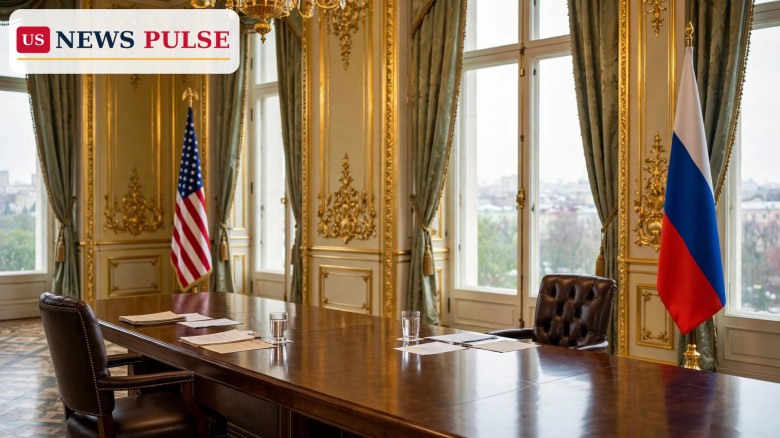
White House envoy Jared Kushner has said Russian President Vladimir Putin has "shown restraint" by not using nuclear weapons in the war in Ukraine, and called him "a grand man of politics" and "a historic figure", in a podcast interview released on Wednesday, November 25. Kushner, one of President Donald Trump's two lead negotiators on Ukraine, said he is convinced Putin wants peace and a changed relationship with America, while admitting the Russian leader is not interested in an immediate ceasefire and that territory is now "a little bit of a deadlock".
Key Points
- Kushner said Putin "showed restraint" by agreeing not to use nuclear weapons and reassuring Washington that is not his intention.
- He called Putin "a grand man of politics" and "a historic figure", praising his detailed grasp of the issues.
- He said he is convinced Putin wants peace and wants to change Russia's relationship with America.
- He admitted Putin is not interested in an immediate ceasefire, and called the territorial question "a little bit of a deadlock".
- He warned of a real risk of escalation without a settlement, saying Europe is funding and arming Ukraine and "it won't take a lot of miscalculation for this thing to escalate massively".
What Happened
Kushner spoke on "MD Meets", the podcast hosted by Axel Springer chief executive Mathias Dopfner, in an interview released on Wednesday, November 25. It is the fullest public account yet from a Trump negotiator of what the American envoys have heard from Putin in person.
On nuclear weapons, Kushner was direct. "So far Putin has showed restraint; he's agreed not to use nuclear weapons, which obviously is a big thing, and he's reassured us that that's not his intention," he said. The reassurance, as Kushner described it, was given to the American negotiators themselves in their meetings with the Russian president.
Kushner and fellow US negotiator Steve Witkoff have met Putin several times, most recently on November 12 at the Kremlin. The pair are the administration's main channel to Moscow, carrying the talks through Abu Dhabi and on to the first trilateral meeting of Trump, Chinese President Xi Jinping and Putin in Shenzhen last week.
Background: Months of Direct Contact With Putin
Kushner's praise was not limited to the nuclear question. He described a leader who takes a lot of notes, communicates very specifically and has a very deep understanding of the issues. It is striking language from a serving US envoy, contrasting sharply with the words used about Putin by most Western leaders since the invasion began in February 2022.
The interview comes at a delicate point. At trilateral talks in Abu Dhabi on November 10, Russian representatives reiterated their demand that Ukrainian forces withdraw from Donbas, a condition President Volodymyr Zelenskyy has repeatedly rejected. Those talks ended without a ceasefire deal, and the envoys then travelled to Moscow. The following week, Trump, Xi and Putin met in Shenzhen in the first three-way summit of its kind.
The administration has also been rethinking its approach. This week it shelved proposals to use business deals with Russia as an incentive to end the war, after Moscow showed little interest. That shift leaves territory and security as the primary focus, the issues on which the two sides are furthest apart.
Kushner Putin Restraint: What the Envoy Actually Said
The nuclear passage is the most consequential part of the interview, because it touches the fear that has shadowed the war since 2022: that a cornered Russia might reach for its arsenal. Kushner presented Putin's restraint as a settled fact, not a hope, and framed the assurance as "a big thing".
On peace, Kushner said he is convinced Putin wants an end to the fighting and wants "to try and change the relationship with America". But he was equally plain about the limits: Putin is not interested in an immediate ceasefire, even though the Americans have raised it directly, and the territorial issue is "a little bit of a deadlock". A settlement, he said, "isn't about fairness or who's right or wrong": once a post-war relationship is defined, the territory question will become easier to resolve.
Kushner also warned about failure. Without a settlement, he said, there is a real risk of escalation. "Europe is funding and arming Ukraine against Russia, and it won't take a lot of miscalculation for this thing to escalate massively," he said. The remark underlines the administration's argument that the war grows more dangerous the longer it runs.
Reactions
Kushner rejected suggestions that the United States has pressured Ukraine into concessions, a charge that has followed the American negotiating effort since the draft peace proposals began circulating. Ukraine, for its part, says the US Defense Department has delayed air-defence missile shipments and disrupted intelligence sharing.
The warmth of Kushner's language will be read in Kyiv and European capitals as a signal of how the White House sees its counterpart in Moscow. But his admission that Putin will not agree to an immediate ceasefire, and that territory is deadlocked, concedes that months of direct contact have not moved the Russian leader on the two questions that matter most.
Why It Matters
The remarks matter first because of what they say about nuclear risk. If Putin has given the assurances Kushner describes, and if they hold, one of the war's worst scenarios is off the table for now.
They matter second because they expose the gap at the centre of the negotiation. Kushner is convinced Putin wants peace, yet he concedes Putin will not stop fighting now and will not move on territory. A settlement built on defining a post-war relationship first, with borders settled after, is a sequence Ukraine has rejected, and Zelenskyy has repeatedly ruled out any withdrawal from Donbas.
What Happens Next
The envoys are expected to keep working the channel they have built, with further rounds anticipated as the administration tries to turn the trilateral format into a settlement. The next test will be whether the talks produce anything concrete on the two questions Kushner identified as stuck: a ceasefire, and the future of Donbas. Watch, too, for how Kyiv and European capitals respond: Ukraine has complained about delayed missiles and disrupted intelligence, and European leaders have warned against a settlement imposed on Kyiv.
Frequently Asked Questions
What did Kushner say about Putin and nuclear weapons?
He said Putin "showed restraint" by agreeing not to use nuclear weapons and reassuring the US, calling it "a big thing".
What is the "MD Meets" podcast?
It is the interview podcast hosted by Axel Springer chief executive Mathias Dopfner, released on Wednesday, November 25, 2026.
When did Kushner last meet Putin?
Most recently on November 12, 2026, at the Kremlin. He and fellow envoy Steve Witkoff have met the Russian president several times.
Is Putin interested in a ceasefire?
No, according to Kushner. He said Putin is not interested in an immediate ceasefire despite US negotiators raising it directly, and called territory "a little bit of a deadlock".
What happens next in the talks?
Further rounds are expected as the administration tries to turn the trilateral format into a settlement, with territory, above all Donbas, the central obstacle.
© 2026 US News Pulse. All rights reserved.
 Print
 Save