
Ozempic and Wegovy Linked to Denser Breasts on Mammograms in New Study
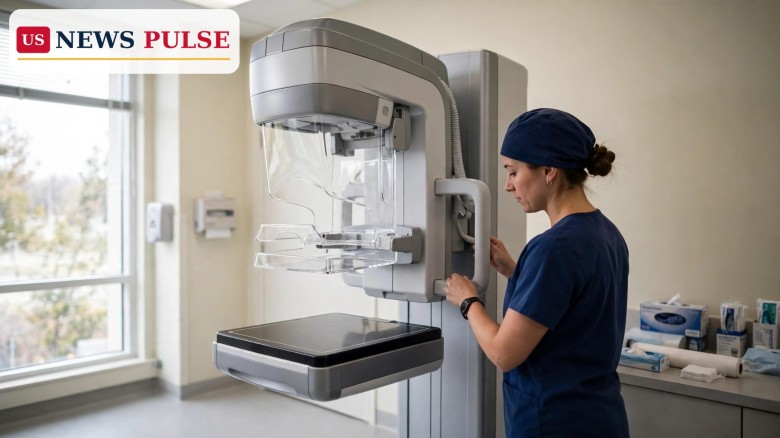
Weight-loss drugs such as Ozempic and Wegovy may be making mammograms harder to read, according to a new study that found breast density rose in nearly two-thirds of women who took the medicines for at least a year. Researchers at Brigham and Women's Hospital in Boston reviewed 214 screening mammograms from 107 women aged 34 to 79. Density rose by at least one category in 62.5 percent of them, eight women moved up two categories, and no patient showed a decrease. The findings will be presented at the Radiological Society of North America meeting in Chicago, and the lead author stressed women should not stop the drugs or skip routine mammograms.
Key Points
- Breast density rose by at least one category in 62.5% of 107 women on GLP-1 drugs for at least a year; eight moved up two categories, none decreased.
- 22.4% were called back for extra imaging, more than double the US average of about 10%.
- Four women had biopsies, all benign; other callbacks were benign or negative, including three simple cysts.
- Lead author Dr Eva C. Gombos said the shift likely reflects fat loss making dense tissue a larger share of the image.
- Whether the changes affect long-term breast cancer risk is unclear and needs more research.
What Happened
The retrospective study looked at women who took GLP-1 weight-loss drugs, including Ozempic and Wegovy, for at least a year. The 107 participants, aged 34 to 79, lost between 6 and 107 pounds, averaging 40 pounds. Researchers compared 214 screening mammograms taken before and after at least a year of treatment. Density rose in almost two-thirds of the women, eight moved up two categories, and not one patient showed a decrease.
The change had a practical consequence: 22.4 percent were called back for extra imaging, more than double the roughly 10 percent US recall rate. Four women were sent for biopsies, all benign, and the other callbacks were benign or negative, including three simple cysts. The study will be presented at the Radiological Society of North America meeting in Chicago, November 29 to December 3, 2026. It has not yet been peer-reviewed, and the authors say larger studies are needed.
Background: Why Breast Density Matters in Screening
Breast density describes how much fibrous and glandular tissue a woman has compared with fatty tissue on a mammogram. Radiologists use four categories, from almost entirely fatty to extremely dense. Dense tissue shows up white on a mammogram, and so do tumours, so dense breasts can hide cancers. About half of US women over 40 have dense breasts.
Density also matters because women with dense breasts face a higher risk of breast cancer, though it is only one of many risk factors. Since 2023, the FDA has required mammography reports to tell women whether their breasts are dense. GLP-1 drugs, including semaglutide sold as Ozempic and Wegovy, are now taken by millions for weight loss and type 2 diabetes, and this is the first study to look closely at what they do to mammogram images.
How Ozempic and Wegovy Change Mammogram Breast Density
The most important message may be what the increase does not mean. Dr Eva C. Gombos, a diagnostic radiologist at Brigham and Women's Hospital and the study's lead author, said it most likely reflects disproportionate loss of breast fat. As fat shrinks, the dense tissue left behind makes up a larger share of the breast, so the image looks denser, though no new dense tissue has grown.
That fits the numbers: the women lost an average of 40 pounds, some more than 100, and the shift appeared across the group. What is unknown is whether it changes a woman's actual risk of breast cancer. Density is a marker, not a diagnosis, and a change driven by fat loss may mean something different from density that was always high. That question needs larger groups followed over longer periods.
Reactions
Dr Gombos was clear the findings should not stop women taking GLP-1 drugs or having routine mammograms. The drugs help many patients control weight and blood sugar, and mammography remains the best tool for catching breast cancer early, when it is most treatable. The study is a warning for radiologists, not a reason for patients to change course.
For radiologists, the lesson is to compare new mammograms with earlier ones and to know when a patient has lost a large amount of weight. A density change that looks alarming alone may be explained by weight loss. The study is small and retrospective, from a single hospital, so the results are an early signal rather than a settled answer.
Why It Matters
Mammograms are the front line of breast cancer screening, so anything that makes them harder to read affects millions of women. A 22.4 percent recall rate, against a national average of about 10 percent, means more women called back, more days of worry, and more biopsies, even when, as here, every biopsy came back benign.
GLP-1 drugs are now so widely used that even a modest screening effect touches a large population. Women who lost substantial weight are the most likely to show the shift, and they need to know a callback after weight loss does not automatically mean something is wrong. Women told their breasts are dense should also ask their doctor whether extra screening, such as ultrasound or MRI, is appropriate.
What Happens Next
The study will be presented at the Radiological Society of North America meeting in Chicago, November 29 to December 3, 2026, where radiologists will hear the full results and debate what they mean. Peer-reviewed publication is expected to follow, and larger studies at other centres will be needed to confirm the pattern and work out whether it changes cancer risk.
For now, the advice is simple: keep taking the medicine as prescribed, keep having mammograms on schedule, and tell the radiologist about the weight loss and the medicine. Bringing earlier mammograms for comparison can help judge whether a density change is new or simply the result of losing weight.
Frequently Asked Questions
What did the study find?
Breast density rose by at least one category in 62.5% of 107 women on GLP-1 drugs for at least a year, and 22.4% were called back for extra imaging.
Does this mean Ozempic causes breast cancer?
No. The study found a change in how mammograms look, not evidence of cancer, and the shift likely reflects fat loss.
Should I stop taking a GLP-1 drug because of this?
No. The lead author stressed the findings should not stop women taking GLP-1 drugs; talk to your doctor before changing any medicine.
Should I still get mammograms?
Yes. Routine mammograms remain the best way to catch breast cancer early, and the researchers said women should not skip screening.
What should I tell my radiologist?
Mention the GLP-1 drug and how much weight you have lost, and make sure earlier mammograms are available for comparison.
Related coverage: the FDA ordering Ozempic, Wegovy, Mounjaro and Zepbound to warn of vision-loss risk, a Texas pharmacy pulling GLP-1 injections nationwide over sterility fears, and CVS saying GLP-1 weight-loss drugs pay for themselves below $350 a month.
© 2026 US News Pulse. All rights reserved.
 Print
 Save