
Iran Intelligence Ministry Overhaul Ordered by Khamenei After War Failures
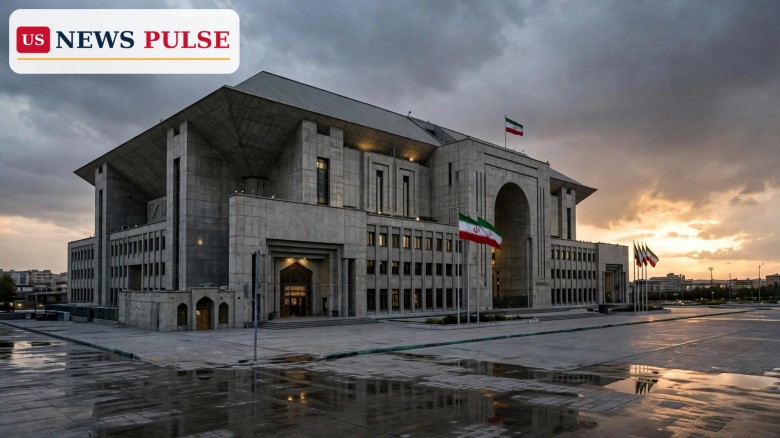
Iran's supreme leader has ordered a sweeping overhaul of the country's intelligence system, parliament's speaker said on Sunday, in the clearest admission yet that the war with Israel and the United States exposed deep failures inside Tehran's security apparatus. Ayatollah Mojtaba Khamenei's instruction, announced by Mohammad Baqer Qalibaf in a video shared on Telegram, sets in motion a restructuring of the Intelligence Ministry, without a permanent minister since Esmail Khatib was killed in an Israeli strike on March 18, 2026. Parliament approved the general outline of a restructuring bill on Sunday and has begun debating its provisions.
Key Points
- Supreme Leader Ayatollah Mojtaba Khamenei ordered a shake-up of Iran's intelligence system, parliamentary speaker Mohammad Baqer Qalibaf announced on Sunday, November 29, 2026.
- The Intelligence Ministry has had no permanent minister since Esmail Khatib was killed in an Israeli strike on March 18, 2026.
- Parliament approved the general outline of a restructuring bill on Sunday and began considering its provisions.
- The bill would let non-clerical candidates with a master's degree and at least 10 years of management experience lead the ministry.
- A permanent minister should be appointed without delay once the Guardian Council clears the legislation, Qalibaf said.
What Happened
Qalibaf announced the supreme leader's order in a video shared on Telegram on Sunday, saying incidents in recent years had exposed major gaps in Tehran's security and intelligence apparatus. The announcement came as Iran's parliament, known as the Majlis, moved ahead with legislation to restructure the Intelligence Ministry. Parliament initially asked the government to submit a restructuring bill, but lawmakers took up the issue themselves after delays, and on Sunday they approved the bill's general outline and began considering its provisions. The move puts the overhaul on a formal legislative track for the first time since the ministry was left leaderless in March.
Background and Context
The order comes after a year in which Iran's intelligence and security services were tested by open war. The conflict with Israel and the United States has produced a string of setbacks for Tehran, and the killing of the intelligence minister himself in an Israeli strike on March 18, 2026, was the most visible of them. Khatib had led the ministry through the opening phase of the war, and no successor has been named in the more than eight months since his death, leaving one of the Islamic Republic's most sensitive institutions without a permanent chief in a national security crisis. The war has exposed Iran's vulnerabilities in other ways. A recent Washington Post report said Iran used Elon Musk's Starlink satellite network to run drone attacks on American forces, while the United States has enforced a blockade in the Gulf of Oman, disabling the bulk carrier Pacific Archer after it tried to run the cordon, and tanker attacks in the Strait of Hormuz have continued through November. At home, the rial has fallen to a record low near three million to the dollar as sanctions bite. Against that backdrop, the supreme leader's intervention reads as a verdict on the institutions charged with keeping the country safe.
Related coverage: Iran used Musk's Starlink to run drone attacks on US forces, report says; US disables bulk carrier Pacific Archer after it tries to run Iran blockade; Iran rial hits record low near 3 million to the dollar as sanctions bite.
Iran Intelligence Ministry: What the Overhaul Would Change
The bill now before parliament would change who can run the Iran intelligence ministry. The post has long been held by clerics, and the legislation would open it to non-clerical candidates who hold a master's degree, have intelligence expertise and experience, and have at least 10 years of middle- or senior-management experience. Candidates qualified in ijtihad, independent Islamic legal reasoning, would remain eligible alongside them. The change is a significant break with tradition: it would allow a professional intelligence officer, rather than a cleric, to take charge of the apparatus for the first time. The bill must still pass review by the Guardian Council, the constitutional watchdog, before it becomes law, and Qalibaf said the government should not delay appointing a permanent minister once that review is complete.
Reactions
Qalibaf presented the overhaul as the supreme leader's direct instruction, giving it the highest possible authority inside the Islamic Republic. His message was that the failures exposed in recent years could not be left unaddressed, and that the intelligence system itself had to change. Parliament's decision to draft the bill itself, after waiting for the government to act, signals frustration among lawmakers with the pace of reform. The approval of the bill's general outline on Sunday shows the measure has broad support in the Majlis, at least in principle, though the detailed provisions are still being debated. The government has not yet named a candidate for the post, and it is not clear whether the eventual appointee will be a cleric or the first non-clerical intelligence minister in the ministry's history.
Why It Matters
An intelligence ministry without a permanent chief for more than eight months, in the middle of a war, is itself a measure of the crisis. The overhaul matters because it is the leadership's own acknowledgement that the system failed, and because it opens the door to a different kind of leadership at the top of Iran's security state. A non-clerical minister would mark a shift from religious credentials toward professional experience. It also matters for Iran's adversaries: a restructured intelligence service could become more effective, or the upheaval could deepen the disarray. For the United States and Israel, the appointment that follows this bill will be read as a signal of how Tehran intends to fight the next phase of the war.
What Happens Next
Parliament will continue debating the bill's provisions, and the legislation will then go to the Guardian Council for review. If the council clears it, the government is expected to move quickly to name a permanent intelligence minister. The choice will show whether the overhaul is a genuine break with the past. Until then, the ministry remains leaderless as the war grinds on.
Frequently Asked Questions
Why is Iran overhauling its intelligence ministry?
Supreme Leader Ayatollah Mojtaba Khamenei ordered the shake-up after incidents in recent years exposed major gaps in Tehran's security and intelligence apparatus, most recently during the war with Israel and the United States.
Who was Esmail Khatib?
Esmail Khatib was Iran's last intelligence minister. He was killed in an Israeli strike on March 18, 2026, and no successor has been named since.
What would change about who can become intelligence minister?
The bill would let non-clerical candidates with a master's degree, intelligence expertise and experience, and at least 10 years of middle- or senior-management experience lead the ministry, alongside candidates qualified in ijtihad.
What is the Guardian Council's role?
The Guardian Council is Iran's constitutional watchdog. The restructuring bill must pass its review before it becomes law, after which the government should appoint a permanent minister.
When will a new intelligence minister be appointed?
No date has been set. Parliament approved the bill's general outline on Sunday and is still debating its provisions, and the appointment is expected once the Guardian Council clears the legislation.
© 2026 US News Pulse. All rights reserved.
 Print
 Save