


 | Today's Date:




France Protests: 575,000 March in Biggest Day of Unrest as Macron Faces Pressure
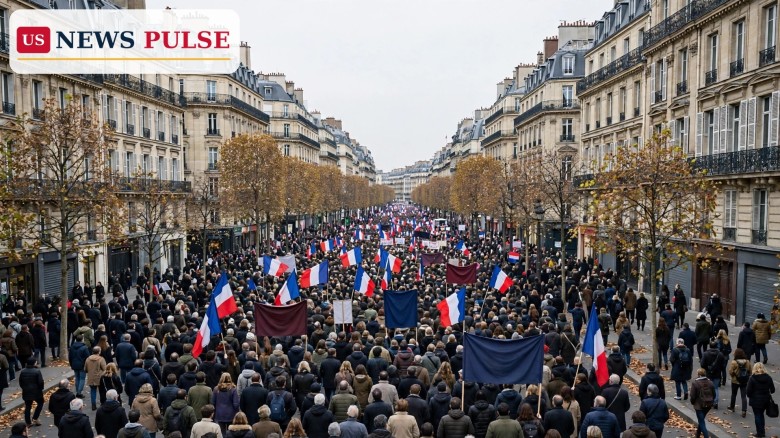
About 575,000 people demonstrated across France on Thursday, November 5, 2026, in the biggest single day of protests since a wave of unrest began in September, according to government estimates. The marches coincided with a nationwide strike and drew crowds to streets in Paris and in cities and towns across the country, in the latest and largest flare-up of a movement that shows no sign of fading.
Key Points
- About 575,000 people demonstrated across France on November 5, 2026, the biggest protest day since the unrest began in September, per government estimates.
- Police detained 448 people during the day of action, which coincided with a nationwide strike over the cost of living and public services.
- The Yellow Vests demand the departure of President Emmanuel Macron and his government and a new constitutional process, and say they will keep marching until Christmas and possibly until the presidential elections next spring.
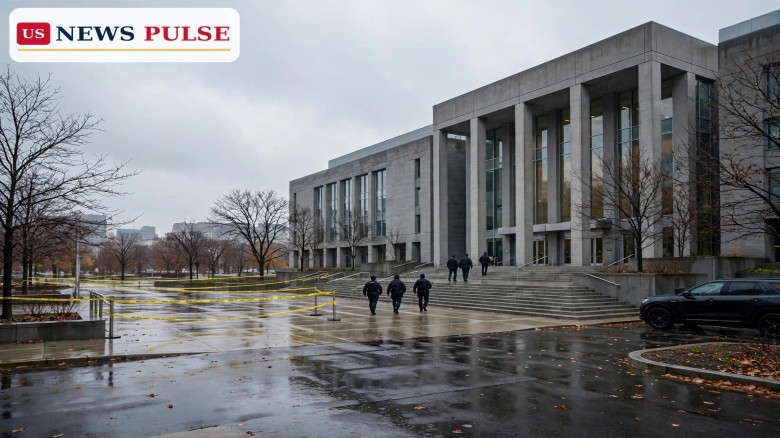
- Authorities stayed on high alert after being caught unawares on October 17, when clashes and looting produced some of the worst street violence France has seen in years.
- Similar movements have emerged across Europe, with strikes planned in November in Spain, Italy, Portugal and Belgium.
What Happened
Trade unions, student groups and Yellow Vests demonstrators mobilised across France on Thursday for a nationwide day of action, with marches in Paris and in towns and cities nationwide. The government had deployed 70,000 police and other security officers for 220 planned demonstrations, to avoid a repeat of the October 17 clashes and looting.
By the end of the day the government put the turnout at about 575,000 people, far above the crowds of recent weeks, and police detained 448 people. The marches ran alongside a nationwide strike that disrupted schools, transport and public services, showing how far the movement has spread beyond its student origins.
Background and Context
The movement began in late September with protests by students over underfunded schools, but it has broadened into a wider challenge to the government. Pupils and teachers complained of staff shortages, overcrowded classrooms and crumbling buildings, and the grievances soon widened to pay, pensions and the price of everyday life.
The government has so far resisted broad measures on the cost of living as it struggles to keep the budget deficit under control. For students, it has pledged some 3,000 teachers, smaller classes and 4 billion euros in school renovation loans. The minimum wage has stood at 1,478 euros ($1,659) net a month since June, and the CFDT, France's biggest union, wants at least 100 euros more. Household confidence fell in October to its lowest since June 2013, and the 10-year bond yield hit 5.14 percent last month, its highest since 2002.
France Protests and the Yellow Vests' Demands
The France protests have taken on a sharper political edge as the Yellow Vests have returned to the streets. The movement, which first shook France in 2018, is demanding the departure of President Emmanuel Macron and his government and a new constitutional process, a far broader demand than the wage and school funding claims that opened the autumn's unrest.
Protesters say they will keep demonstrating until Christmas and possibly until France's presidential elections next spring, a pledge that points to months of disruption. For Macron, who steps down at next year's election after a decade in power, the stakes are personal as well as political. Polls say the unrest benefits far-right candidate Marine Le Pen, already the frontrunner, and hard-left candidate Jean-Luc Melenchon, who says Macron should yield to the protesters or leave office.
Reactions
The government has responded with a mix of security and concessions. The deployment of 70,000 officers for Thursday's marches was the clearest signal it intends to prevent a repeat of the October 17 violence, and authorities remained extremely vigilant throughout the day. On policy, it has pointed to the teacher deployment, smaller classes and 4 billion euros in school renovation loans, and said it is considering a minimum wage increase.
Critics say those steps address only the edges of the problem. Unions argue that a rise well short of the 100 euros the CFDT demands will not calm a movement driven by years of squeezed pay, and the Yellow Vests' demand for Macron's departure shows how far the anger has moved beyond any single pay claim. Le Pen and Melenchon stand to benefit if the unrest continues into the election campaign.
Why It Matters
France's protests are not unique in Europe, although they have been among the biggest in a wave of demonstrations across the continent this year. Clashes erupted in Italy last month over poor public services and living costs, while Spain and Portugal have faced protests over housing, and strikes are planned later in November in Spain, Italy, Portugal and Belgium.
For France, the stakes are higher than in most of its neighbours. It is the eurozone's second-largest economy, and prolonged unrest threatens both its fiscal plans and its standing with investors. There is also the question of what comes after Macron. If the protests help the candidates at the extremes, as polls suggest, the outcome could reshape France's relationship with the European Union, its fiscal policy and its approach to law and order.
What Happens Next
The immediate test comes on Saturday, when a grassroots movement backed by some unions holds a new round of demonstrations, as weekly since October 17. Unions and housing associations have also called for pan-European protests from November 20 to 22, and the Yellow Vests have promised to keep marching until Christmas and possibly until the presidential elections next spring.
In Paris, the budget fight continues and a minimum wage decision is expected. If the increase falls well short of the 100 euros the CFDT demands, the unions are likely to keep the pressure on through the winter.
Frequently Asked Questions
How many people protested in France on November 5, 2026?
About 575,000 people, per government estimates, the biggest protest day since the unrest began in September. Police detained 448 people.
Why are people protesting in France?
They began in late September with students demonstrating over underfunded schools, and have broadened into a movement over the cost of living, wages and public services.
What are the Yellow Vests demanding?
They demand that President Emmanuel Macron and his government leave office and that France begin a new constitutional process. They say they will keep marching until Christmas and possibly until the presidential elections next spring.
How is the unrest affecting France's economy and politics?
Household confidence fell in October to its lowest since June 2013, the 10-year bond yield hit 5.14 percent, its highest since 2002, and polls suggest the unrest benefits Marine Le Pen and Jean-Luc Melenchon ahead of next year's presidential election.
Will the protests continue?
Yes. New demonstrations are planned on Saturday, as weekly since October 17, pan-European protests are called for November 20 to 22, and protesters have vowed to keep marching until Christmas.
Related coverage: France protests: 70,000 police deployed as cost-of-living unrest grips France and Global dockworkers strike hits 113 ports in 22 countries over arms shipments. Sources: CNN, November 5, 2026.
Leave a Comment