


 | Today's Date:


Iran Says Maximum Deterrence Plan Ready for Any New US Attack, Warns Response
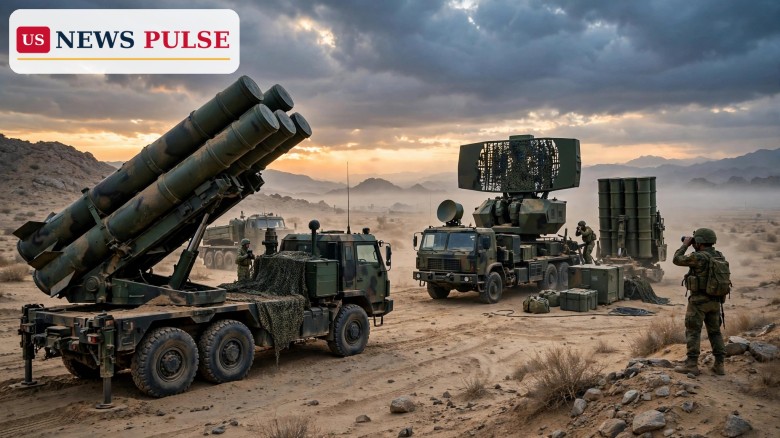
Iran says its maximum deterrence plan is ready for any new attack by the United States, warning of an immediate response against an expanded list of American and Israeli targets, even as Tehran insists it remains committed to diplomatic talks through Qatari mediators. The warning, reported on Wednesday, November 4, 2026, shows the eight-month-old US-Iran war remains on a knife edge, with military readiness on one side and a seven-day diplomatic roadmap on the other.
Key Points
- Iran says a ‘maximum deterrence’ plan is ready in case of any new US attack, with an immediate response promised.
- Tehran says its military has updated target lists to include US and Israeli assets across expanded geographical areas.
- Deputy Foreign Minister Kazem Gharibabadi says Iran remains committed to talks through Qatari mediators and its seven-day roadmap.
- President Donald Trump told Fox News the Iran war was ‘part of’ Republican midterm losses, and told CBS News it will end on his own terms.
- The US embassy in Saudi Arabia has reissued a security alert ordering non-emergency US government staff and families to leave.
What Happened
On Wednesday, November 4, 2026, Iran said a ‘maximum deterrence’ plan is ready for any new attack by the United States. The message was blunt: if Washington strikes again, Tehran says it will respond immediately, and its response would not be limited to targets hit before. Military planners, according to the reports, have updated target lists to include American and Israeli assets across expanded geographical areas, a widening designed to raise the cost of any new American operation.
The timing matters. The warning arrived a day after Americans voted in the midterms, in which Democrats took control of both chambers of Congress, and amid fresh debate in Washington about the war. President Donald Trump has both warned of a heavy hit on Iran and said a deal was coming together. Iran’s statement answers that uncertainty with two messages at once: we are ready to fight, and we are still ready to talk.
Background and Context
The US-Iran war began on February 28, 2026, and is now in its ninth month. It has reshaped shipping through the Strait of Hormuz, driven oil prices sharply higher, drawn Gulf states in as mediators and hosts of American forces, and become a domestic political issue in the United States. Recent weeks have brought strikes on Iran’s Qeshm Island, warnings from Washington, mediation by Qatar, and repeated claims from both sides that a settlement is within reach.
Qatar has been central to that diplomacy, shuttling between Washington and Tehran, with both sides reported to be reviewing suggestions put forward through Doha. Iran has presented a roadmap it says could be implemented within days, while the United States has insisted on a firm, verifiable commitment that Iran will not rebuild its nuclear programme, which Washington says it destroyed. Vice President JD Vance said on Monday that Washington had made progress and set no deadline, keeping the door open while leaving the military option on the table.
Iran Maximum Deterrence Plan: What It Means
The phrase ‘maximum deterrence’ is itself a signal. Deterrence means convincing an adversary that the cost of attacking outweighs any gain. A plan called ‘maximum’ deterrence suggests Iran wants Washington to believe no American target in the region can be assumed safe, and that retaliation would be swift. The reported updating of target lists reinforces that point: the geography of a future exchange, Tehran implies, would be wider than the last one.
For American forces and partners in the Gulf, the practical implication is heightened alert. The US embassy in Saudi Arabia has reissued a security alert ordering non-emergency US government employees and families to leave because of safety risks. Such alerts do not by themselves mean an attack is imminent, but they show the risk is being treated as real enough to move people. For markets, oil rose on Wednesday morning, with Brent up 0.8 percent to $104.42 a barrel and West Texas Intermediate up 0.5 percent to $96.59 as of 05:10 GMT, as investors awaited Washington’s next move.
Reactions and Quotes
President Trump addressed the war directly after the midterms. He told Fox News the Iran war was ‘part of’ the reason for Republican midterm losses, saying voters were probably unwilling to accept short-term higher petrol prices. He told CBS News the war ‘will end on his own terms’, adding: ‘It’ll end when I say it ends.’ The war has thus become entangled with domestic politics: the same conflict shaping oil prices and Gulf security is now cited, by the president himself, as a factor in an election result.
From Tehran, Gharibabadi’s words were measured but firm, stressing commitment to the diplomatic track alongside readiness to defend. The contrast is striking: Washington speaks of ending the war on its own terms, Tehran speaks of defending itself against aggression it says has not ended. No new American strike or Iranian retaliation had been confirmed in the latest reports; the story on Wednesday was the warning itself, not a new exchange of fire.
Why It Matters
This warning matters for three reasons. First, it raises the stakes of any American decision in the coming days: Tehran has now publicly committed itself to an immediate, wider response, making a limited operation harder to present as low-risk. Second, it tests the diplomatic channel at a delicate moment, since public threats can harden positions and make compromise look like weakness. Third, it affects ordinary people far beyond the Gulf: oil prices, shipping costs, embassy security and election-year politics in the United States are all tied to whether this war escalates or winds down. With Democrats now controlling Congress, the president’s freedom of action will also face new scrutiny.
What Happens Next
The immediate question is whether Qatari-mediated talks produce a concrete next step: a meeting, a draft proposal, or a change in either side’s stated conditions. A second question is whether the United States issues further security guidance for personnel in the Gulf or moves forces in a way that signals preparation. A third is oil: if Brent holds above $104 or climbs further on war fears, pressure on Washington to show progress toward a settlement will grow. Gulf governments’ messages in the next 48 hours will also guide whether Tehran’s warning is read as a genuine alert, a negotiating tactic, or both. For now, the situation is tense but still diplomatic.
Related coverage: Trump warns of heavy hit on Iran after midterms, Vance says US-Iran talks are making progress, and Trump confirms US strike on Iran’s Qeshm Island.
Frequently Asked Questions
What is Iran’s ‘maximum deterrence’ plan? A readiness plan for any new US attack, promising an immediate response against an expanded list of US and Israeli targets.
Has Iran attacked in response? No new strike or retaliation had been confirmed in the latest reports; the story is the warning, not a new exchange of fire.
Are talks still happening? Yes, according to Tehran, through Qatari mediators under its seven-day roadmap.
Why did oil prices rise? Brent rose 0.8 percent to $104.42 and WTI 0.5 percent to $96.59 on Wednesday morning as investors awaited Washington’s next move.
Leave a Comment