


 | Today's Date:
Iran's Quds Force Chief Warns US of Coordinated Attacks From Hormuz to Bab el-Mandeb
Iran's most powerful overseas military commander warned on Wednesday that the United States could face coordinated attacks from the Strait of Hormuz to the Bab el-Mandeb if Washington keeps striking Tehran. Esmail Qaani, who leads the Islamic Revolutionary Guard Corps' Quds Force, said Iran and its regional allies act as one united front, and that American planners should not judge it by the range of its missiles alone. The warning came as President Donald Trump weighs whether to resume large-scale strikes, seek a negotiated settlement, or keep up economic pressure after the midterms.
Key Points
- Esmail Qaani, commander of the IRGC's Quds Force, warned on Wednesday, November 4, 2026, that continued US strikes on Iran could trigger coordinated attacks by Iran-aligned groups across the region.
- "Do not measure the depth of the front by the range of its weapons. You must also account for the depth of the resistance," Qaani said of the united front of Iran and its allies.
- He accused President Donald Trump of launching the war on the advice of Israeli Prime Minister Benjamin Netanyahu, and said Washington had lost control of the Strait of Hormuz.
- Supreme Leader Mojtaba Khamenei separately warned that any renewed US-Israeli attacks would draw a response "much broader" than the previous round.
- The warning comes as Vice President JD Vance is reported to be pushing for a diplomatic agreement inside the administration, while Trump weighs his options.
What Happened
Qaani issued the warning on Wednesday, November 4, 2026, as the United States and Iran remained locked in a war that began on February 28, 2026. As commander of the Quds Force, the external operations arm of the Revolutionary Guard, he oversees Iran's network of allied armed groups across the Middle East, and his words carry weight because that network is how Tehran can strike back far beyond its own borders.
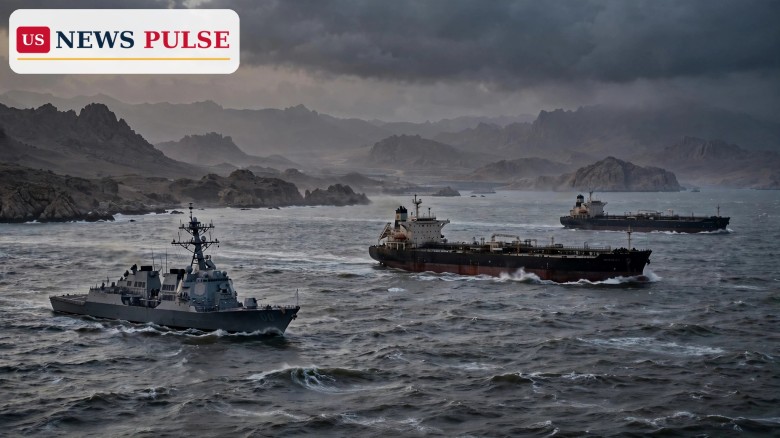
The geography he invoked matters. The Strait of Hormuz, at the mouth of the Persian Gulf, carries about a fifth of the world's crude oil and gas, while the Bab el-Mandeb, at the southern end of the Red Sea, guards the approach to the Suez Canal. Both are among the most important shipping chokepoints on earth, and both have already seen attacks on commercial vessels during this war.
Background and Context
The Quds Force is the arm of the Revolutionary Guard responsible for operations outside Iran, and Qaani has led it since January 2020, when he succeeded Qasem Soleimani after Soleimani was killed in a US drone strike in Baghdad. Under Qaani, the force has continued to arm, train, and coordinate allied groups in Lebanon, Iraq, Syria, and Yemen, including the Houthis.
The war has already spread well beyond Iran's borders. In the past week, the United States said it destroyed five Iranian oil tankers after the IRGC twice tried to target an American warship with ballistic missiles. Democrats swept both chambers of Congress on Tuesday, November 3, a result many analysts linked to the cost of living, tariffs, and the prolonged war. Vice President JD Vance said on Monday that Washington had made "progress" in talks with Iran and that the administration had set no deadline for a deal, and Axios has reported that Vance is pushing inside the administration for a diplomatic agreement.
Iran Quds Force Warning Raises the Cost of a Wider War
The significance of Qaani's warning lies in what it would mean if it were carried out. A coordinated campaign would not look like a single missile barrage from Iran. It could mean simultaneous pressure on shipping in two chokepoints at once, attacks on American bases in Iraq and Syria by allied militias, and renewed strikes from Yemen toward the Red Sea. Each threat exists on its own; Qaani's point is that they can be switched on together, and Washington should weigh that combined cost before ordering another round of large-scale strikes.
That framing also serves a diplomatic purpose. By presenting a united front, Tehran is trying to convince the Trump administration that the military option has a ceiling: the more the United States strikes, the more it invites a regional response that could disrupt global energy supplies and put American forces at risk.
Reactions and Quotes
Qaani's central warning was blunt: "Do not measure the depth of the front by the range of its weapons. You must also account for the depth of the resistance." Supreme Leader Mojtaba Khamenei reinforced the message the same day, warning that any renewed US-Israeli attacks would trigger a response "much broader" than the previous round.
On the American side, the debate inside the administration is now public. Vance said on Monday that he and Trump "both feel pretty good about the prospects for potentially coming to a negotiated settlement", and that Washington had set no strict deadline before strikes might resume. Trump said a deal was "coming together very nicely".
Why It Matters
This warning matters because it touches the two pressure points that have shaped the war from the start: energy and American forces in the region. The Strait of Hormuz carries about a fifth of global crude oil and gas, and any serious threat to shipping there moves oil prices within hours. The Bab el-Mandeb is the gateway to the Suez Canal, and attacks there force ships onto the long route around Africa, raising prices worldwide. It also matters because of timing: the warning came the day after an election in which voters punished the governing party in part over the cost of living and the war.
What Happens Next
The immediate question is what Trump decides: resume large-scale strikes, pursue the negotiated settlement that Vance says is making progress, or maintain economic pressure while keeping the military option in reserve. Qatari mediators have been shuttling between the two sides, and both sides have been reviewing mediator suggestions in recent days, which suggests the diplomatic track is still alive. Watch for whether the United States moves additional naval forces into the Gulf or the Red Sea, and whether any Iran-aligned group acts on the warning.
Frequently Asked Questions
Who is Esmail Qaani?
Qaani commands the Islamic Revolutionary Guard Corps' Quds Force, the Guard's external operations arm. He has led it since January 2020, succeeding Qasem Soleimani, killed in a US drone strike in Baghdad.
What did Qaani warn the United States about?
He warned that if the United States continues military operations against Iran, it could face coordinated attacks by Iran-aligned armed groups across the region, from the Strait of Hormuz to the Bab el-Mandeb.
Why are the Strait of Hormuz and the Bab el-Mandeb important?
The Strait of Hormuz carries about a fifth of the world's crude oil and gas, and the Bab el-Mandeb guards the approach to the Suez Canal.
What did Khamenei say on the same day?
Supreme Leader Mojtaba Khamenei separately warned on Wednesday that any renewed US-Israeli attacks would trigger a response "much broader" than the previous round.
Is a deal still possible?
Vice President JD Vance said Washington had made "progress" in talks with Iran and set no strict deadline, while Trump said a deal was "coming together very nicely". No agreement has been announced.
Leave a Comment